
P-9T
Temperature Measurement
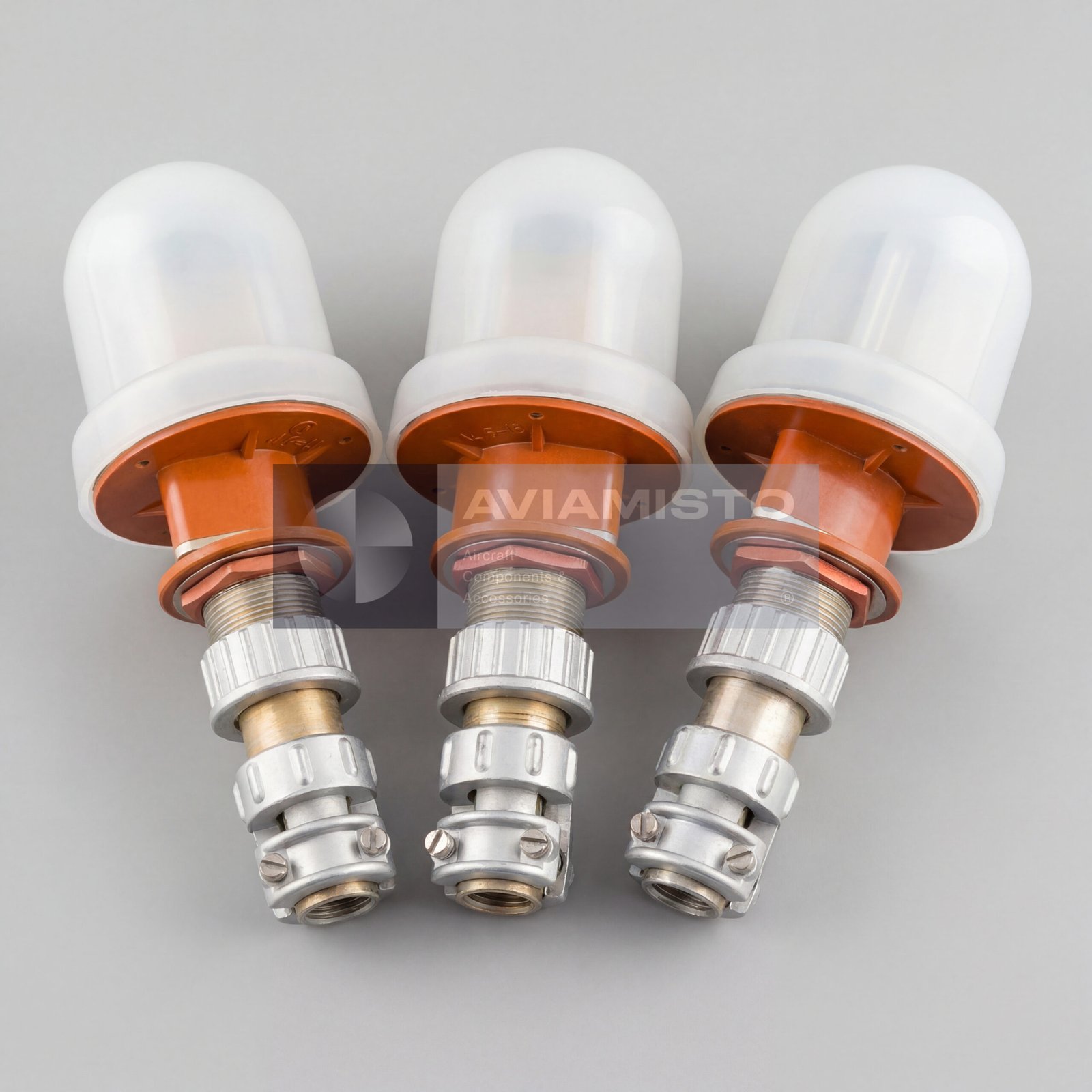


Description
P-9T receiver in aircraft temperature indication systems
The P-9T is an aircraft temperature receiver used as the primary sensing element in resistance-type temperature indication systems. It measures the averaged air temperature in crew cabins, passenger compartments, heated sections, and other internal aircraft zones where temperature monitoring is required. The unit does not display temperature by itself. It works together with electrical aircraft indicators such as TV-1, TV-11, or TV-19, which convert the sensor resistance into a readable temperature indication for the crew or maintenance personnel.
Full descriptionCollapse description
How the P-9T measures air temperature
The P-9T works on the resistance thermometer principle. Its sensitive element changes electrical resistance as the surrounding air temperature changes. This resistance change is then transmitted to the connected indicator. Because the receiver measures air around the sensing element, its installation location matters. It should not be placed where the reading can be distorted by direct local heating, cold drafts, blocked airflow, or contact with warm structural parts. The purpose is to show the average temperature of the cabin or heated zone, not the temperature of one small hot or cold spot.
P-9T with TV-1, TV-11 and TV-19 indicators
The P-9T is used in sets with aircraft electrical temperature indicators, including TV-1, TV-11, and TV-19 types. In this system, the receiver is the measuring part, while the cockpit or panel instrument is the indicating part. For correct operation, the receiver and indicator must match by electrical characteristics, including nominal resistance and measuring range. When replacing the receiver, it is not enough to choose a sensor of similar size. The technical documentation should confirm compatibility with the installed temperature indication system.
Construction of the P-9T receiver
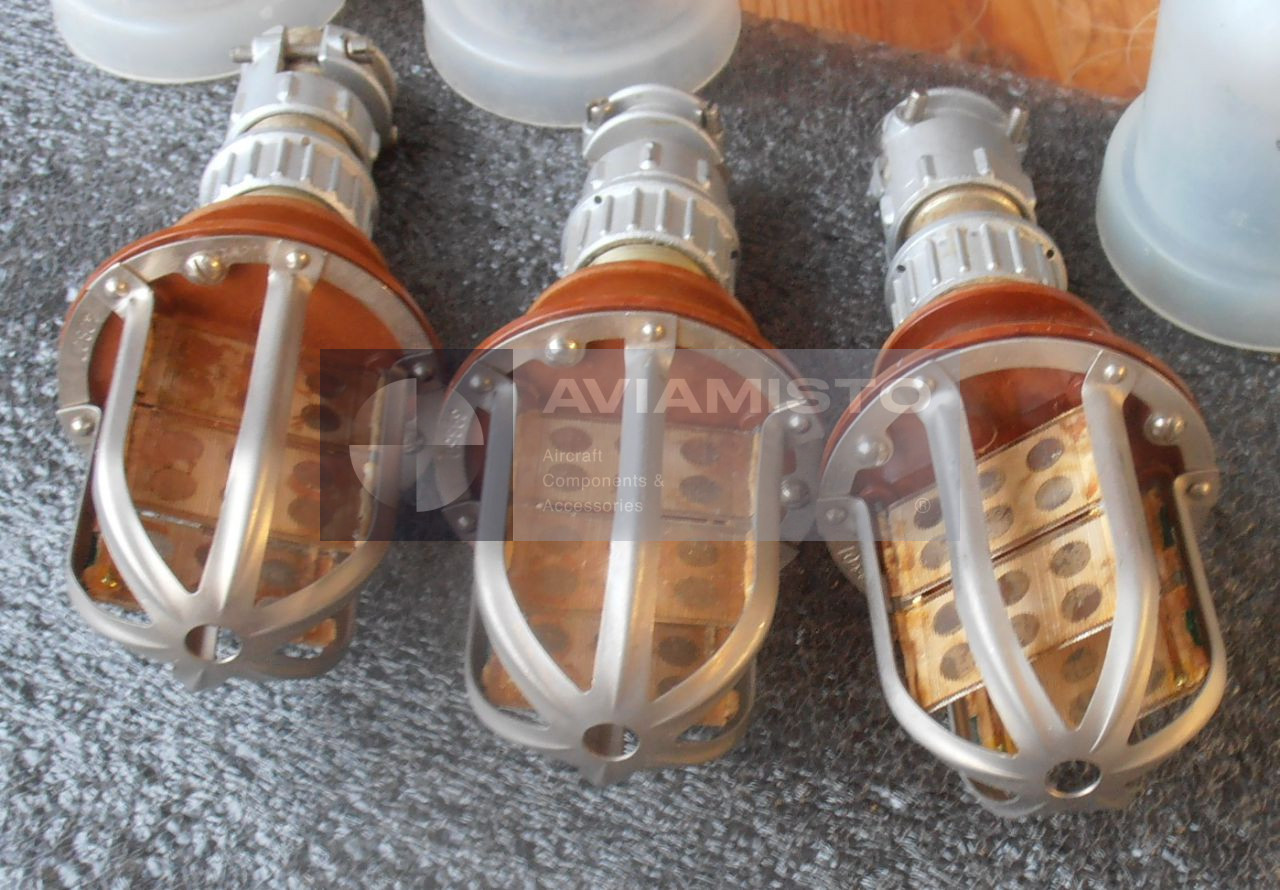
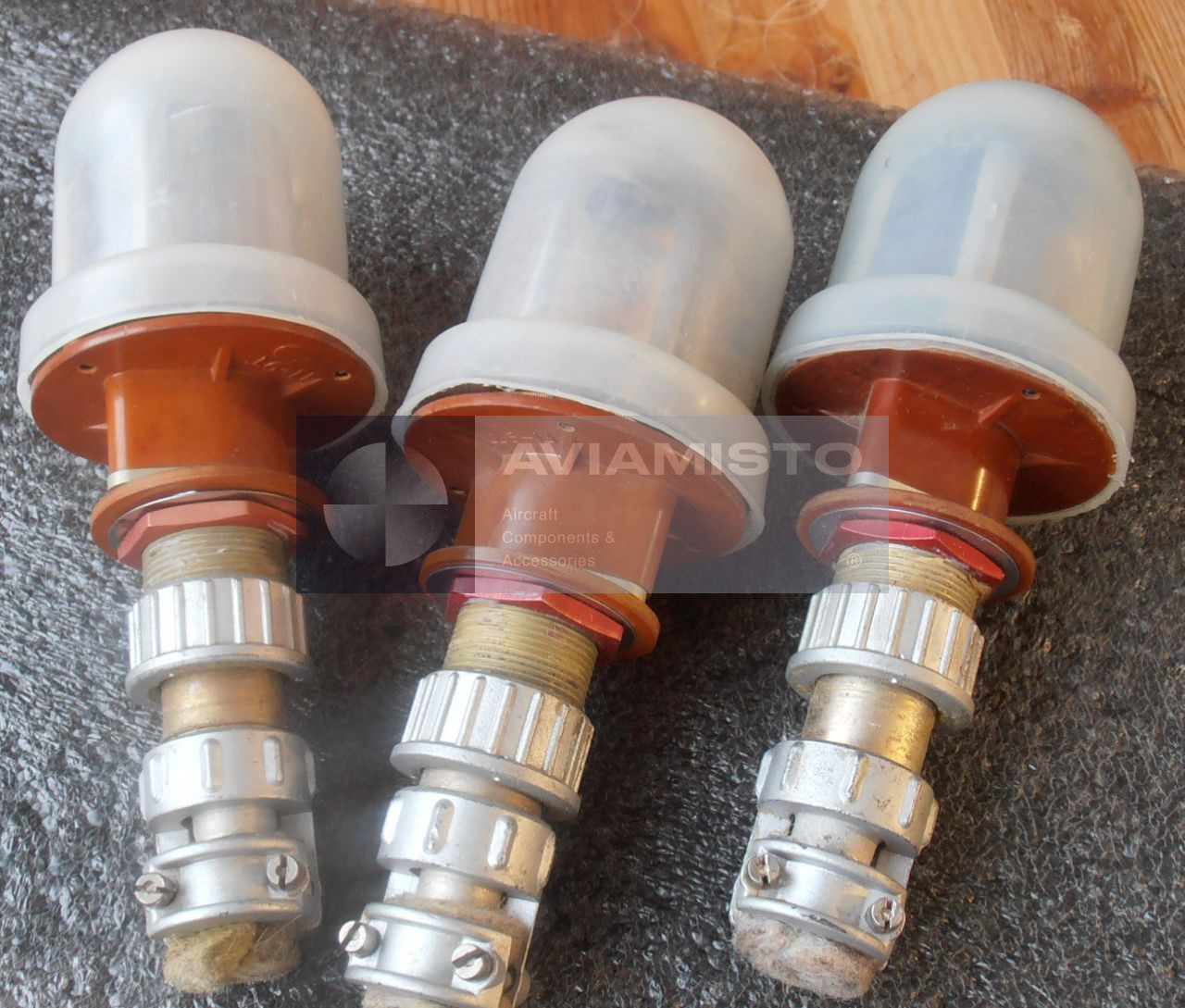
The P-9T is made as a non-detachable sensing unit. Its main elements are the temperature-sensitive winding, protective frame, perforated cover, insulating base, and electrical contacts. The perforated guard allows air to pass around the sensing element while protecting it from mechanical damage. This is important in cabin and compartment installations, where equipment may be exposed to vibration, servicing contact, or accidental impact. The sensing element itself is delicate, so the protective structure is part of the normal working design, not just a transport cover.
Operating conditions of the P-9T
The P-9T is designed for aircraft operating conditions, including low and moderately high cabin or compartment temperatures, vibration, and operation from the aircraft electrical system through the indication circuit. The receiver is normally installed in a vertical position. Its response time depends on airflow around the sensing element, so a blocked or contaminated perforated cover can make temperature indication slower or less representative. During maintenance, attention should be paid to physical damage, contact condition, mounting position, cleanliness, wiring and resistance checks.
Supply and identification of P-9T
When ordering or replacing the P-9T, the full designation should be used and the matching temperature indicator should be specified if known. It is also useful to clarify whether the item is required for a cabin, passenger compartment, heated bay, or another aircraft zone. For aviation supply, the receiver should be checked by passport, storage condition, resistance value, external condition, and compatibility with the required TV-series indicator. A visually similar resistance sensor should not be installed without confirmation by aircraft documentation.
Related system equipment: TB-1, TV-19T, EP-528T Series 2. These positions are grouped by system function and installation context, not as interchangeable replacements.
Technical details
- Product Type
- Aircraft temperature receiver / resistance temperature sensor
- Designation
- P-9T / П-9Т
- Function
- Measurement of averaged air temperature in aircraft cabins, compartments, and heated zones
- Application / Where Used
- Aircraft and helicopter cabin temperature indication systems
- System / Installation Area
- Crew cabin, passenger cabin, heated compartments, and other temperature-controlled aircraft zones
All specificationsCollapse specifications
- Compatible Indicators
- TV-1, TV-11, TV-19 electrical aircraft temperature indicators
- Measurement Principle
- Resistance change of the temperature-sensitive element
- Measurement Range
- −60 to +70 °C
- Alternative System Range Note
- Some technical conditions specify indicator operating range of −60 to +50 °C
- Nominal Resistance at 0 °C
- 125 Ω
- Basic Error
- ±1.0 °C
- System Supply Voltage
- 27 V ±2.7 V
- Current Consumption
- Not more than 50 mA
- Time Constant
- Not more than 50 s at airflow speed of 0.5 m/s
- Vibration Resistance
- Up to 35 g in the 20–200 Hz frequency range
- Operating Position
- Vertical
- Construction
- Non-detachable unit with temperature-sensitive winding, perforated protective frame, insulating base and electrical contacts
- Dimensions
- 50 × 120 mm
- Weight
- 0.09 kg
- Technical Documentation
- Product passport and aircraft temperature indication system documentation as applicable
Payment & delivery
Orders ship from our hub in Dubai. Partner stock is first transferred to Dubai, then shipped to you.
Dubai stock: 100% before dispatch. Partner stock (Remote stock) and Pre-order: 50% advance payment to start the order and 50% before shipment from Dubai to you.
Availability, lead time, delivery cost and payment terms are confirmed for your order before payment.
Payment & delivery terms