
PT-200Ts Series 3
Rotary Converter


Description
PT-200Ts Series 3 converter in aircraft power systems
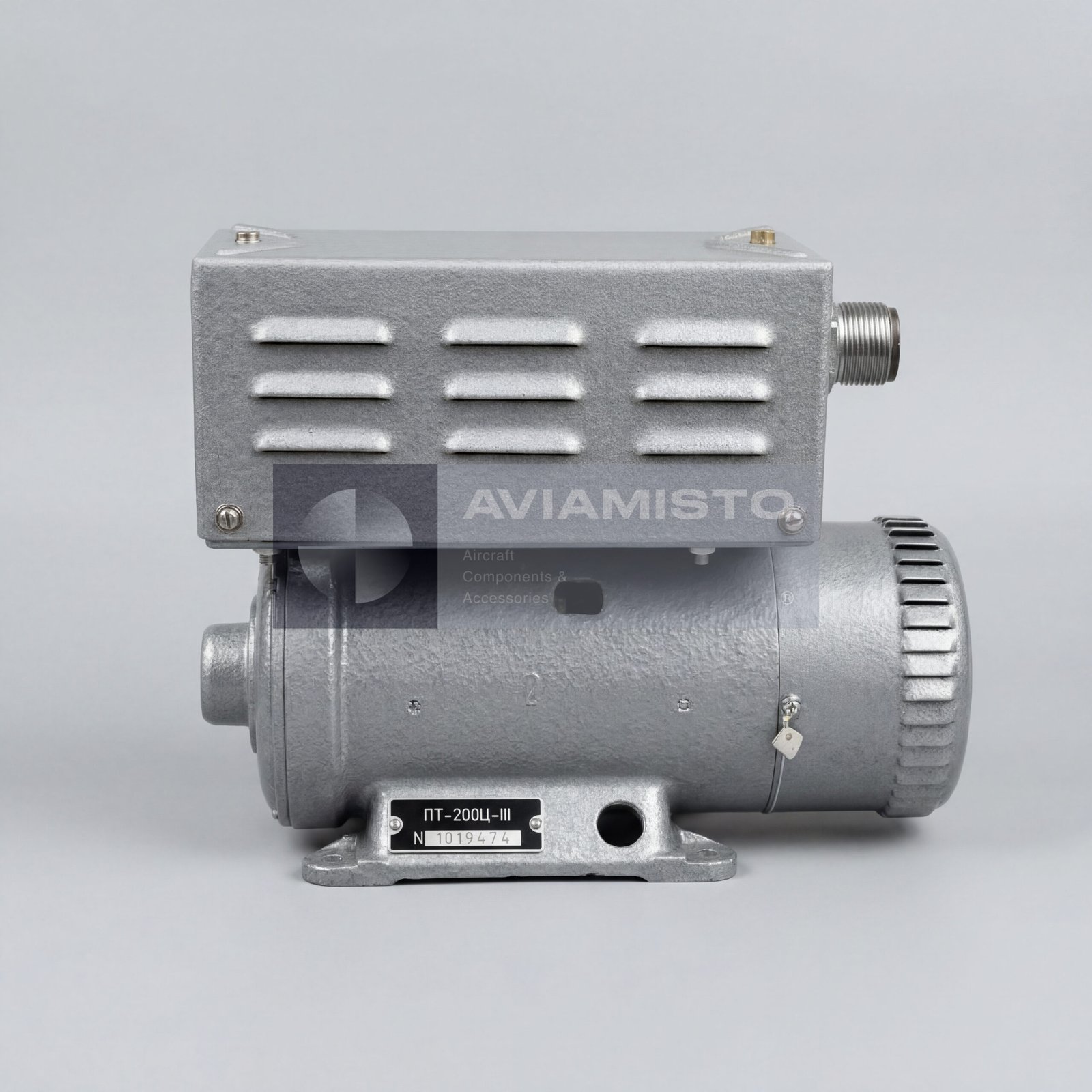
The PT-200Ts Series 3 is an aircraft electromechanical rotary converter used to generate three-phase AC power from the aircraft 27 V DC network. The unit produces low-voltage 400 Hz power for flight, navigation and gyroscopic equipment that requires a separate three-phase supply. This converter is typically used in aircraft where critical instruments must remain powered even when the normal AC generation system is unavailable. In that role, the PT-200Ts is not a general-purpose power source, but a dedicated supply unit for selected onboard equipment with strict voltage, frequency and load requirements.
Full descriptionCollapse description
PT-200Ts-III for gyroscopic instruments
The main load for the PT-200Ts Series 3 is aviation gyroscopic equipment. The converter supplies the three-phase power needed to spin up and operate attitude indicators, gyro-compass equipment and related navigation units. Instruments of this class depend on stable 400 Hz power; if the supply is lost or unstable, the instrument readings may become unreliable. On aircraft with this converter installed, loss of PT-200Ts operation can lead to warning indications in the cockpit and failure flags on the affected flight-navigation instruments.
Construction of the PT-200Ts Series 3 umformer
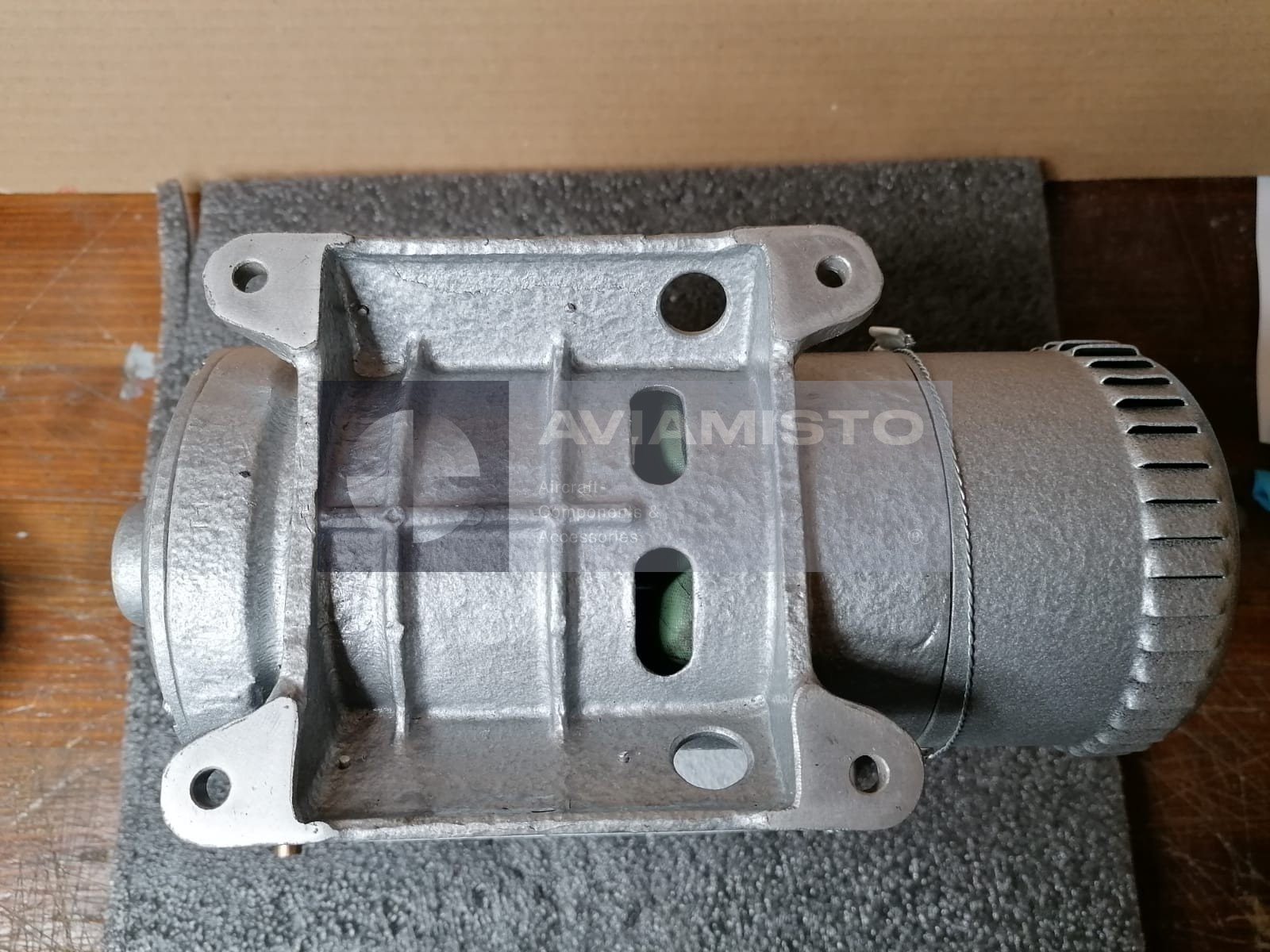
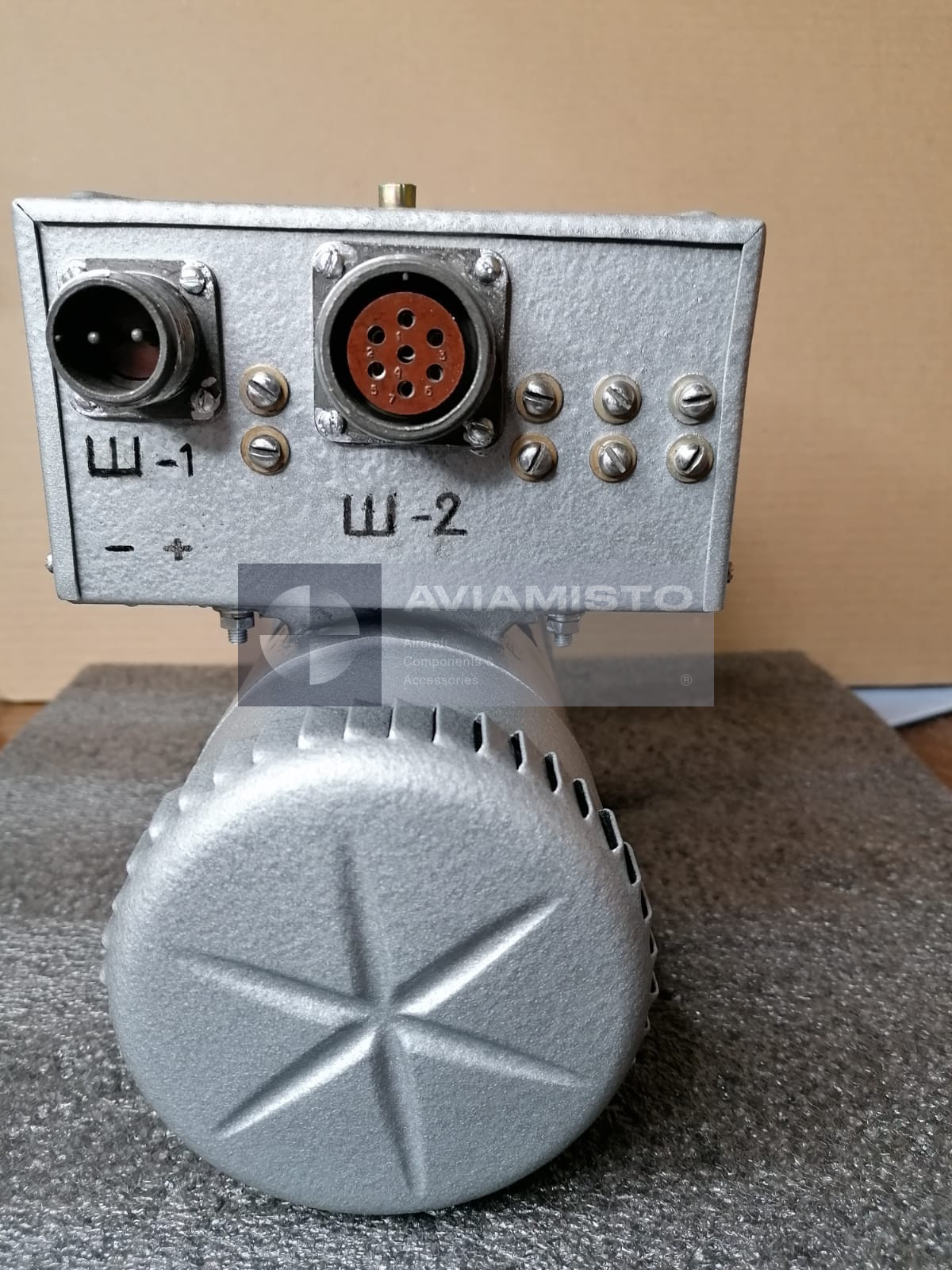
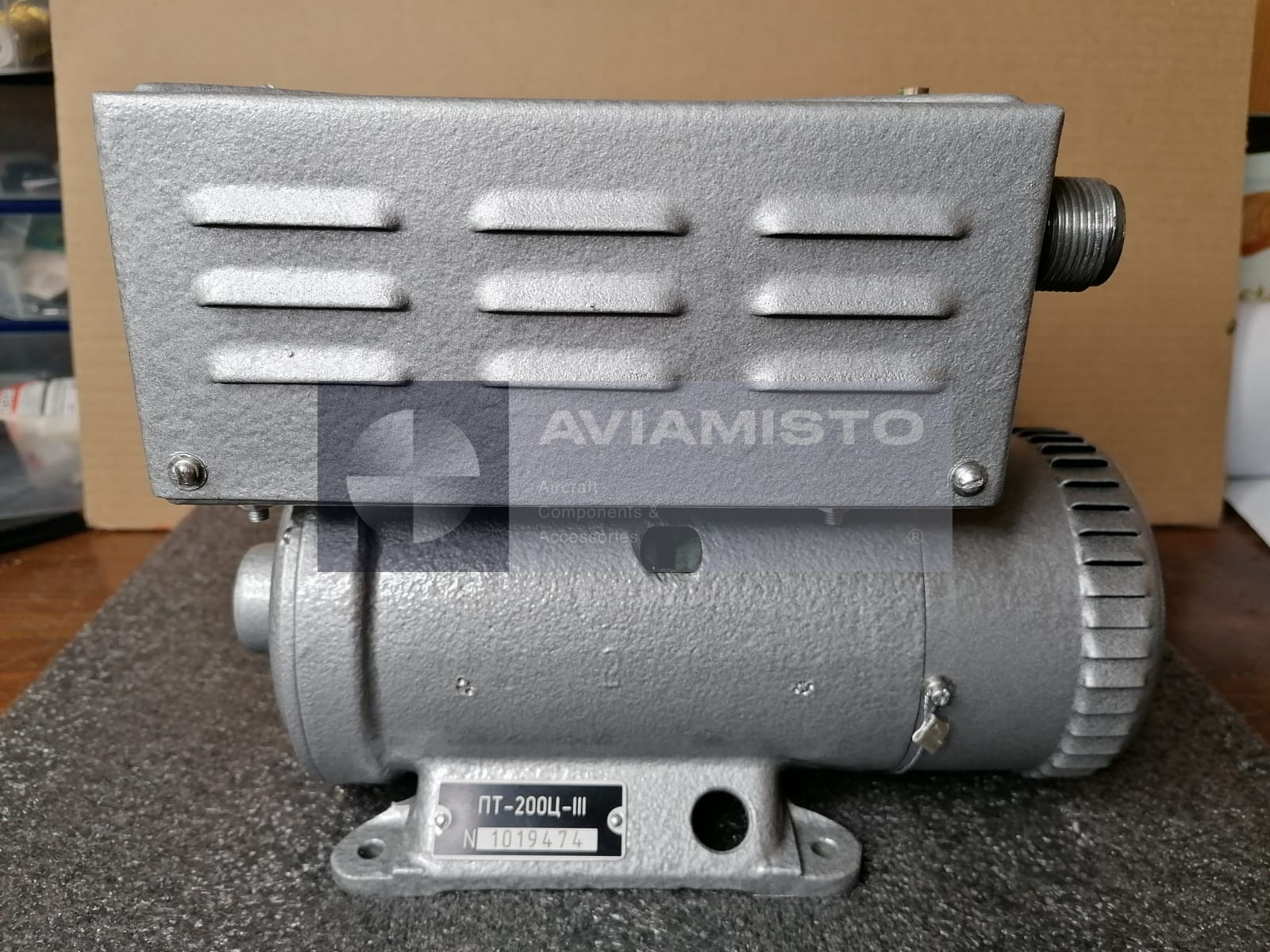
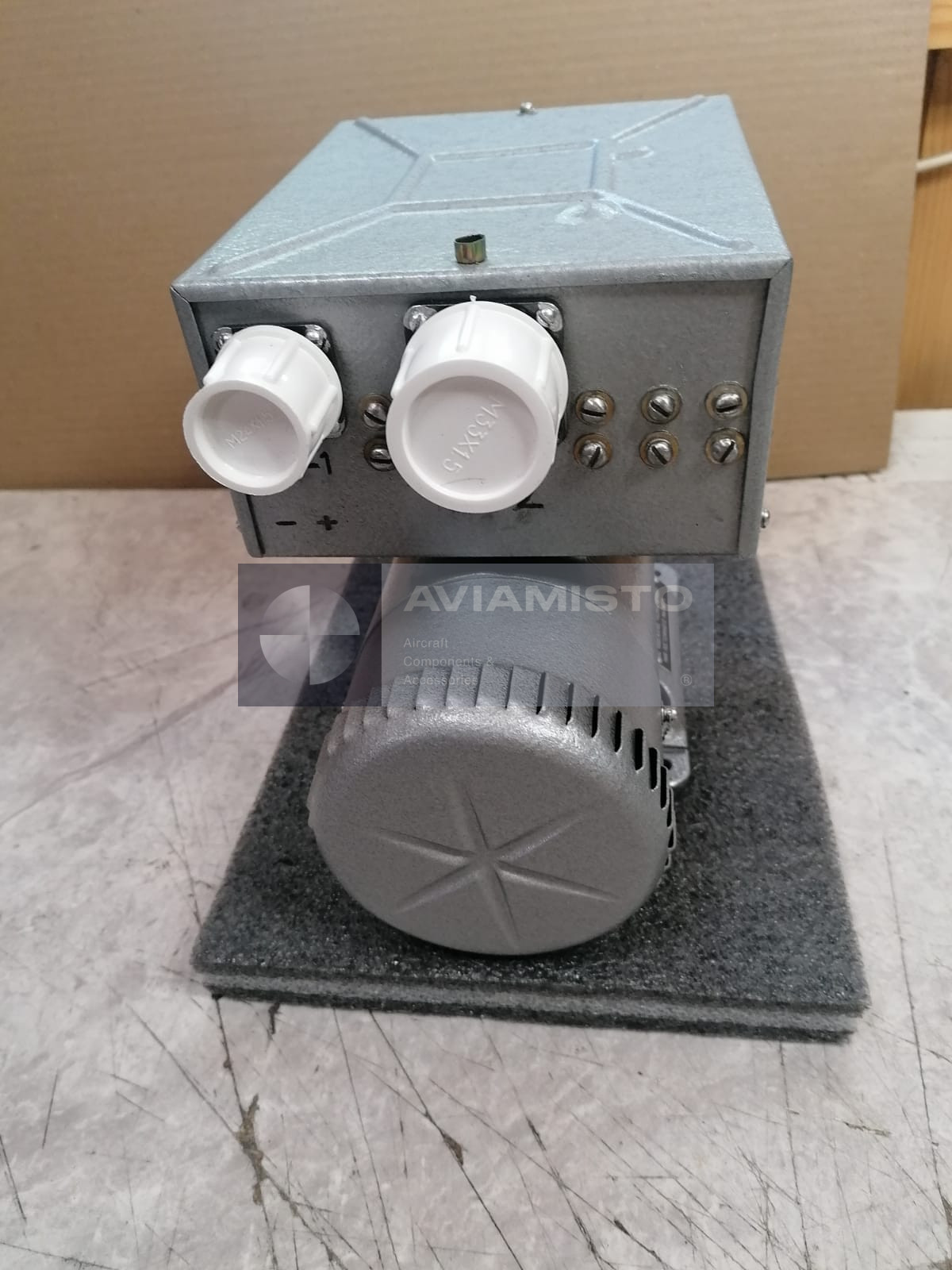
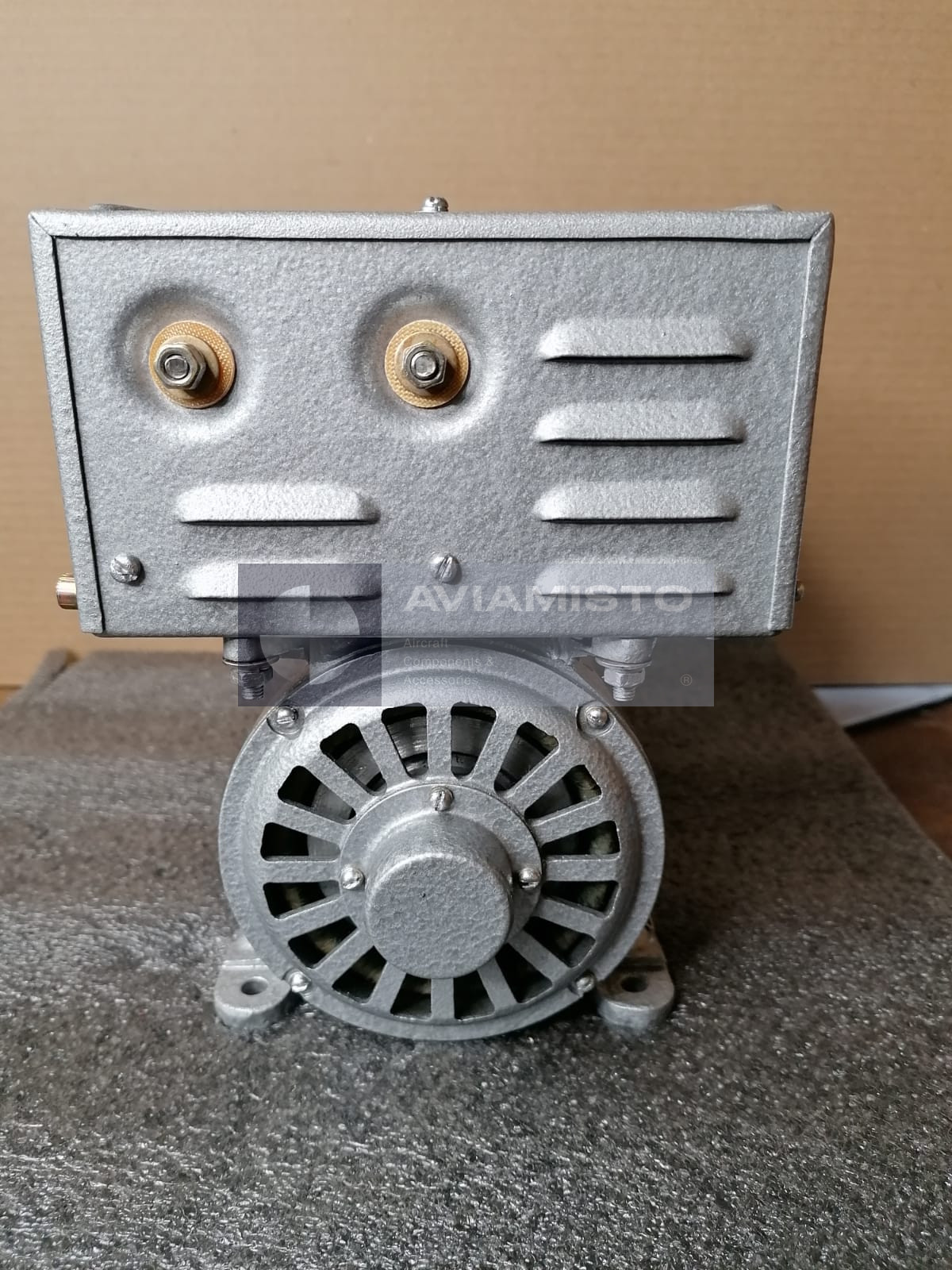
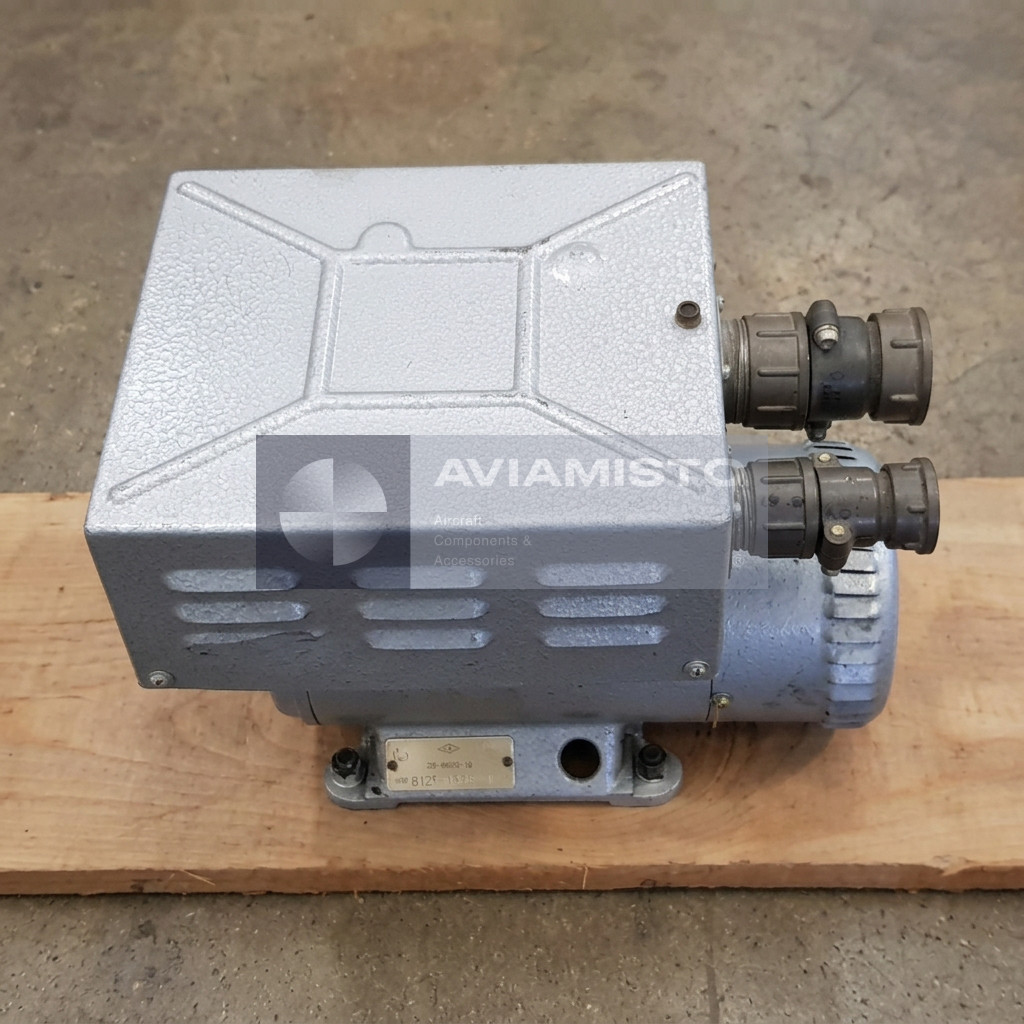
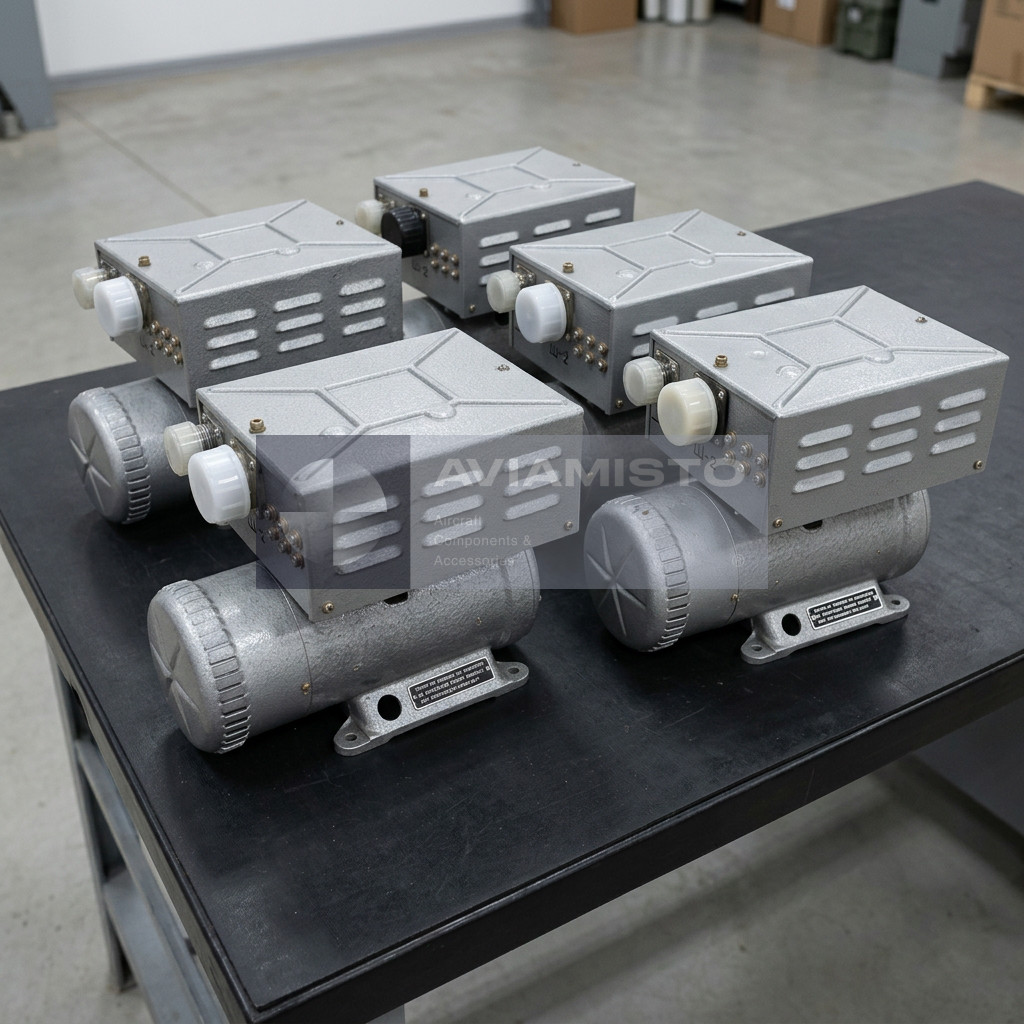
The PT-200Ts Series 3 is built as a motor-generator unit on a common shaft. One part of the machine is a DC motor powered from the aircraft DC bus. The other part is a synchronous three-phase generator that produces the required AC output. This electromechanical layout is typical for aircraft of earlier design generations, where rotary converters were used before static converters became common. The housing includes mounting provisions for installation on the aircraft structure and may include a filter box to reduce radio interference produced by the rotating electrical machine.
Aircraft installation of PT-200Ts Series 3
The PT-200Ts Series 3 is normally installed outside the cockpit, because rotary converters produce noise, vibration and electrical interference. Depending on aircraft type, it may be mounted in a radio equipment bay, electrical compartment, technical bay, under the cockpit floor, or on a dedicated shock-mounted frame. On helicopters, installation is usually arranged in service areas where the unit is accessible for inspection but isolated from the crew workplace. Correct mounting is important: the converter rotates at high speed and must be secured in a way that prevents vibration damage and wiring fatigue.
PT-200Ts-III operation with APP-1A switching logic
In many aircraft systems, the PT-200Ts Series 3 works together with automatic switching equipment such as APP-1A. The converter may be started automatically when the aircraft’s main AC generators fail or when backup power logic requires a separate 36 V, 400 Hz source. This makes the unit part of the emergency or standby electrical architecture for selected instruments. In maintenance, it is important to check not only the converter itself, but also the switching device, control relay logic, protection circuits and cockpit failure indication.
Series 3 features of the PT-200Ts converter
The Series 3 version shares the main electrical characteristics of other PT-200Ts variants, but may differ in construction details, filtering elements, wiring layout and component base. Later or different series can use revised filter boxes, updated rectifier or diode elements, different terminal arrangements and improved reliability of mechanical assemblies. These changes mean that series designation matters when replacing the unit. A converter with the same output voltage and power rating is not automatically interchangeable unless the aircraft documentation allows the specific version.
Maintenance and supply of PT-200Ts Series 3
The PT-200Ts Series 3 should be inspected as both an electrical and mechanical aircraft unit. A proper check normally includes input current, output voltage, output frequency, load performance, heating, vibration, noise, bearing condition and connector state. Because the unit runs at high speed, storage condition and bearing condition matter just as much as the electrical parameters. For procurement, the full designation PT-200Ts Series 3 or PT-200Ts-III should be specified together with required condition, documentation, test status and aircraft applicability.
PT-200Ts Series 3 identification
PT-200Ts Series 3 is a rotary converter; it converts aircraft electrical power through an electromechanical motor-generator assembly. Verify the exact type and execution from the complete marking.
Selection
Confirm ratings, interfaces, mounting and documentation before replacement.
Inspection
Complete incoming inspection and functional testing under the approved procedure before installation.
Related products
PT-200Ts-V, PT-500Ts, PT-125Ts-4S, PT-1000TSS – 2 series. These links do not imply interchangeability.
Reference
Technical details
Product Type: Rotary Converter
Primary Designation: PT-200Ts Series 3
Alternative Designations: PT-200Ts Series 3; PT-200TsSeries3; PT 200Ts Series 3; ПТ-200Ц серия 3
Function: converts aircraft electrical power through an electromechanical motor-generator assembly
Selection Basis: Exact designation, execution, marking and documentation for the specific equipment
Application: Only as supported by the passport, illustrated parts catalogue or approved installation documentation
Interchangeability: Not established by a related designation, matching base, housing or appearance alone
Inspection: Verify electrical ratings, contacts or connector, mounting, construction and required operating mode
Enquiry Data: Designation, quantity, condition, marking photograph, delivery scope and required documents
Documentation: Product passport and approved operating or repair documentation
Category: Power Transducers
All specificationsCollapse specifications
Retained Technical Data:
Product Type: Aircraft electromechanical rotary converter / umformer
Designation: PT-200Ts Series 3 / PT-200Ts-III
Function: Conversion of 27 V DC aircraft power into three-phase 36 V AC power
Application / Where Used: Aircraft electrical power systems; flight-navigation and gyroscopic instrument circuits
System / Installation Area: Auxiliary / standby AC power supply circuits; technical bay, radio equipment bay or underfloor service compartment depending on aircraft type
Typical Powered Equipment: Attitude indicators, gyro-compass systems, navigation units, angular-rate sensors and flight-control system elements depending on aircraft configuration
Associated Equipment: APP-1A automatic switching / start unit depending on system layout
Compatible Aircraft / Equipment: An-24, An-26, Yak-40, Tu-134, Mi-8, Mi-24, Mi-26 and other aircraft depending on modification
Input Current Type: Direct current
Input Voltage: 27 V DC ±10%
Input Current: 14 A
Output Current Type: Three-phase alternating current
Output Voltage: 36 V AC
Output Voltage Operating Range: 34.5–40 V AC
Output Frequency: 400 Hz ±2%
Rated Power: 200 VA
Output Load Current: 3.2 A
Shaft Speed: 8,000 rpm
Operating Mode: Continuous operation
Construction: DC motor and synchronous three-phase generator on a common shaft
Generator Rotor: Six-pole permanent magnet
Interference Suppression: Built-in or associated filter box depending on execution
Mounting: Aircraft mounting flange or feet, depending on version
Weight: 8.5 kg
Technical Documentation: Product passport, acceptance documentation and aircraft electrical system documentation as applicable
Payment & delivery
Orders ship from our hub in Dubai. Partner stock is first transferred to Dubai, then shipped to you.
Dubai stock: 100% before dispatch. Partner stock (Remote stock) and Pre-order: 50% advance payment to start the order and 50% before shipment from Dubai to you.
Availability, lead time, delivery cost and payment terms are confirmed for your order before payment.
Payment & delivery terms