Sensor
Price on request
Sensor
The DAS is an aircraft indicated airspeed sensor used as part of the SARPP-12DM onboard flight data recording system. In this system, DAS stands for datchik pribornoy skorosti, or indicated airspeed sensor. The unit continuously measures the aircraft’s indicated airspeed and converts the measured pressure difference into an electrical signal for recording. On helicopters such as the Mi-8, the DAS sensor is part of the group of continuous analog-parameter sensors used by the flight recorder system.
The DAS sensor measures indicated airspeed through the aircraft pitot-static system. It receives total pressure from the pitot tube and static pressure from the static pressure line. The pressure difference acts on the internal measuring mechanism, and the sensor converts this movement into an electrical output signal. This signal corresponds to the current indicated airspeed and is sent further into the recording system. In the SARPP-12DM configuration used on Mi-8 helicopters, the typical calibrated measuring range is 60–400 km/h.
In the SARPP-12DM system, the DAS sensor belongs to the continuous analog-parameter channel. Its output is transmitted to the signal distributor and then recorded by the information storage unit together with other flight parameters. These may include altitude, main rotor speed, engine or control-position parameters and other values depending on aircraft configuration. The airspeed record is important because it allows maintenance personnel and investigators to review the aircraft’s speed profile during flight, approach, landing and abnormal events.
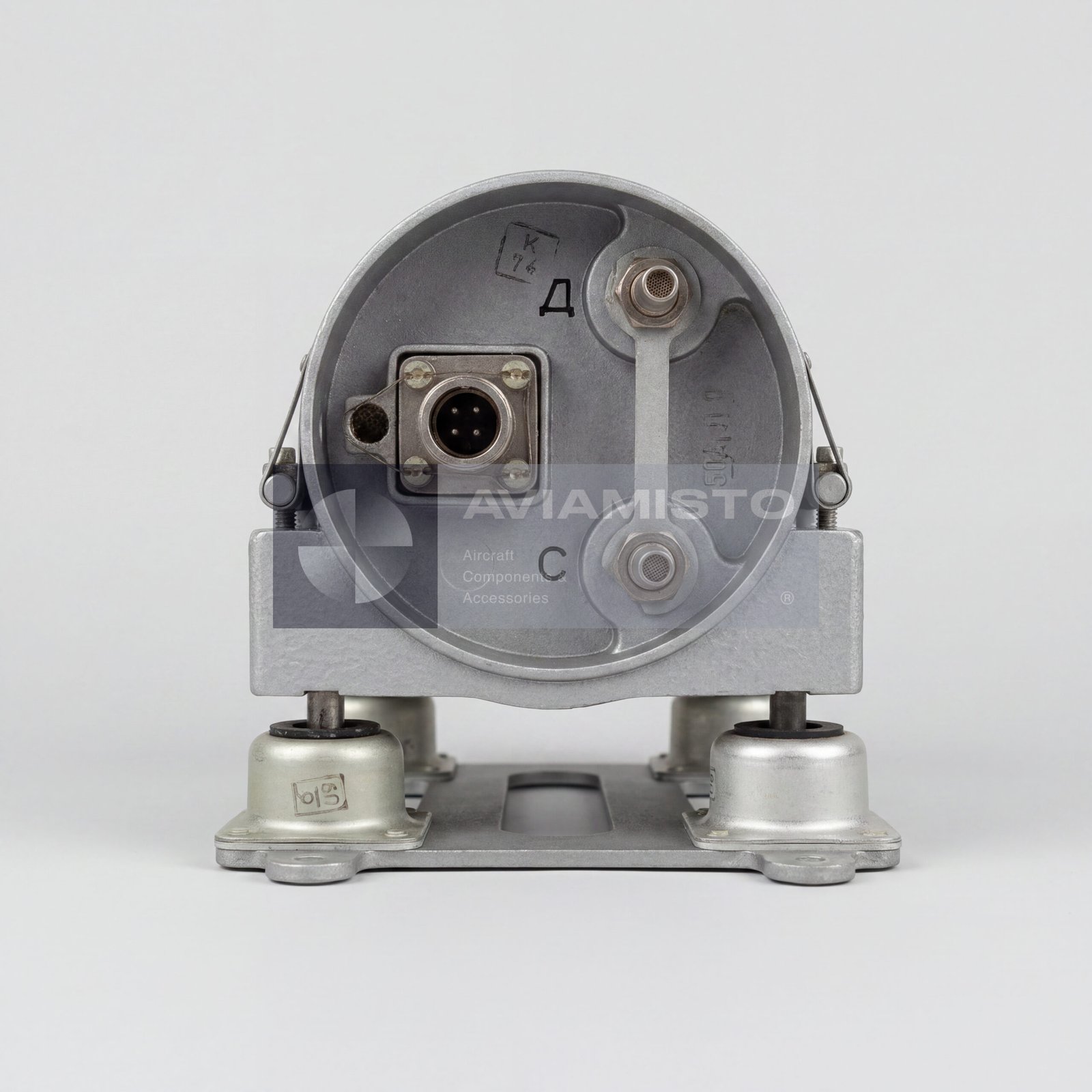
The DAS sensor has two pneumatic connections. One port receives total pressure from the pitot tube through a flexible hose line, and the second port receives static pressure into the sealed body cavity. Correct connection of these two lines is essential. If the total and static pressure lines are crossed, leaking, blocked or contaminated, the output signal will not reflect the real indicated airspeed. During maintenance, technicians check hose condition, fitting tightness, cleanliness of pressure lines and the absence of moisture or foreign particles in the pneumatic path.
The DAS sensor uses an internal potentiometric element to generate an electrical signal proportional to the measured airspeed. The sensor is powered by a low-voltage supply from the flight recorder system, matching device or power supply unit such as BP-7, depending on the aircraft installation. The output is then read by the SARPP-12DM signal chain. Since this is an analog sensor, the accuracy depends on both the mechanical pressure element and the electrical condition of the potentiometer, connector, wiring and supply voltage.
In aircraft maintenance documentation, the sensor may appear under designations such as DAS, DAS-48 or DAS-V. These names refer to airspeed sensor versions used in flight data recording systems such as SARPP-12DM and MSRP-12-96. The exact version must be checked before replacement, because measuring range, calibration, connector wiring or aircraft applicability may differ by modification. For Mi-8 applications with SARPP-12DM, the airspeed range and calibration must match the helicopter recording system and approved aircraft documentation.
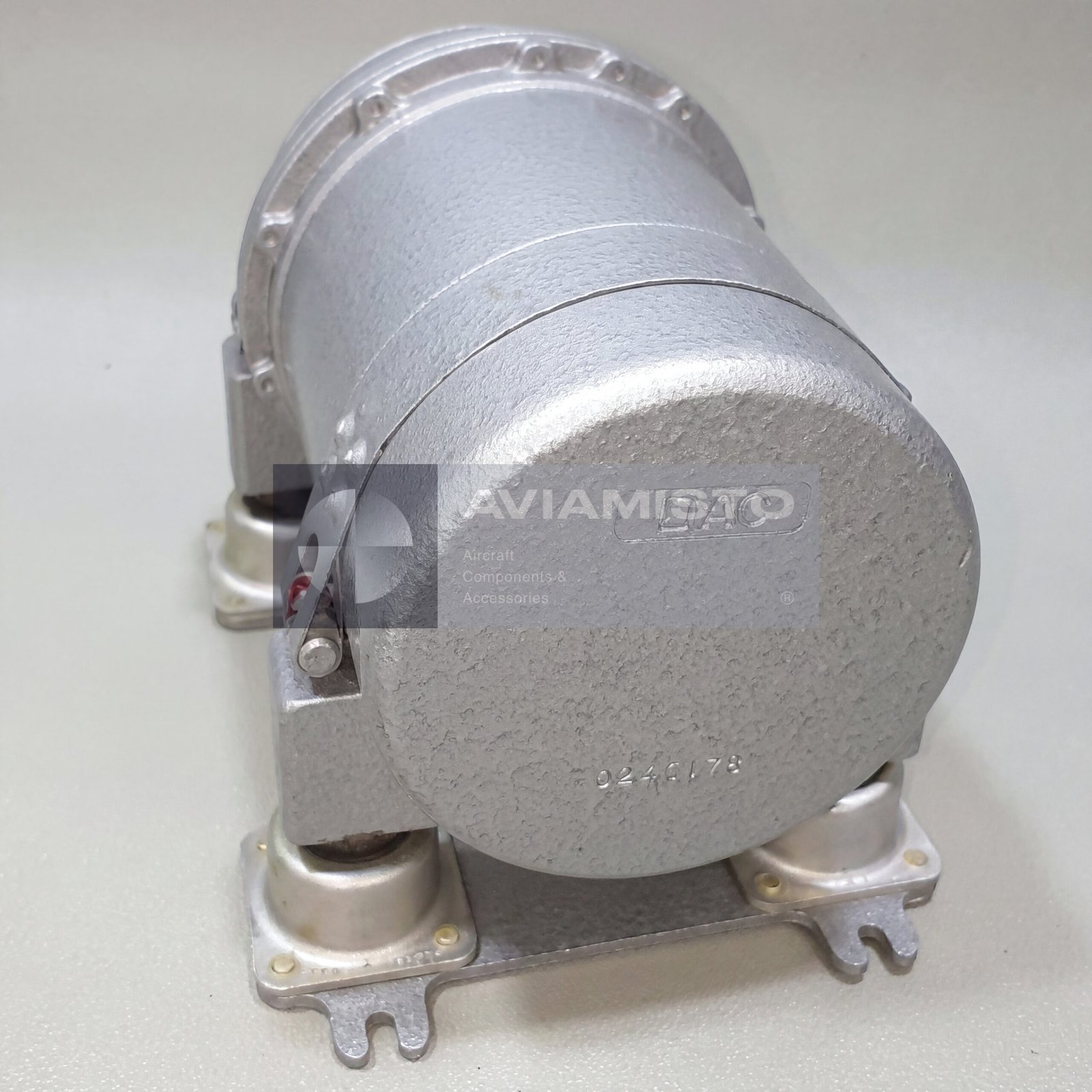
The DAS sensor is built in a sealed metal cylindrical housing with pneumatic fittings, an electrical connector and a shock-mounted base. The sealed body protects the internal measuring mechanism and allows static pressure to be applied correctly inside the housing. The sensor is installed in the aircraft equipment area and connected to both the pitot-static lines and electrical recording circuit. During inspection, attention should be paid to the housing, shock mount, connector, pneumatic fittings, sealing condition and calibration status.
For supply or replacement, the full designation and aircraft recorder system should be specified: DAS sensor for SARPP-12DM, or the required modification such as DAS-V if applicable. The unit should be checked by documentation, electrical parameters, pneumatic tightness and calibration points. For aircraft use, the sensor must correspond to the aircraft’s pitot-static and recording system configuration. A visually clean sensor is not enough for installation; correct output across the calibrated speed range must be confirmed during bench or aircraft-level testing.
Product Type: Indicated airspeed sensor
Designation: DAS
Alternative Designations: ДАС; DAS; DAS-48; DAS-V / ДАС-В depending on modification
Function: Measurement and conversion of indicated airspeed into an electrical signal for flight data recording
Application / Where Used: SARPP-12DM flight data recorder system; MSRP-12-96 depending on modification
System / Installation Area: Aircraft flight data recording system; pitot-static system interface
Part of System / Included in Set: Continuous analog-parameter sensor group of the flight recorder system
Compatible Aircraft / Equipment: Mi-8 helicopters and other aircraft equipped with compatible SARPP-12DM / MSRP recording systems
Measured Parameter: Indicated airspeed
Typical Measuring Range in SARPP-12DM / Mi-8 Application: 60–400 km/h
Full Sensor Range: Up to 600–800 km/h depending on modification and aircraft application
Operating Principle: Pressure-difference measurement from total and static pressure lines with electrical potentiometric output
Pneumatic Inputs: Total pressure from pitot tube; static pressure from static line
Electrical Signal Type: Analog potentiometric signal
Supply Voltage: 6.3 V from matching unit, SARPP power circuit or BP-7 power supply depending on installation
Maximum Working Current: Not more than 10 mA
Potentiometer Resistance: 1500 Ohm, tolerance +300 / −200 Ohm
Sensor Error: Not more than ±2.0% at +25 °C ±10 °C according to supplied data
Electrical Connection: SH-type plug connector
Pneumatic Connections: Two fittings for flexible hose lines
Housing Type: Sealed metal cylindrical body with shock-mounted base
Approximate Dimensions: 145 × 125 × 115 mm, including fittings and connector
Weight: 1.350 kg
Associated Recorder Components: Signal distributor and K12-22 information storage unit in SARPP-12DM system
Inspection / Testing: Pneumatic tightness check, electrical output check, calibration by airspeed points, connector and hose inspection
All shipments are carried out from our international warehouse in Dubai (UAE), as well as from our partners’ remote warehouses.
In Stock — items available in stock at the Dubai warehouse are dispatched within 5–10 business days after receiving 100% prepayment.
Remote Stock — items available at our partners’ remote warehouses are supplied within an average of 30–45 business days after receiving 100% prepayment.
Pre-Order — made-to-order products are manufactured and delivered within an average of 45–60 business days. Payment terms: 50% advance payment to start production, with the remaining 50% paid before dispatch from the Dubai warehouse after full readiness for shipment.
Returns & Changes (Restocking Fee)
For selected items, a RESTOCKING FEE of 10% may apply in case of return, order cancellation, or changes to the order specifications. This condition applies only to certain products and is confirmed at the order approval stage.
Warranty
All products are covered by a standard 6-month warranty.
Extended warranty is available upon request and is agreed individually; it may affect the final product price.
The DAS is an aircraft indicated airspeed sensor used as part of the SARPP-12DM onboard flight data recording system. In this system, DAS stands for datchik pribornoy skorosti, or indicated airspeed sensor. The unit continuously measures the aircraft’s indicated airspeed and converts the measured pressure difference into an electrical signal for recording. On helicopters such as the Mi-8, the DAS sensor is part of the group of continuous analog-parameter sensors used by the flight recorder system.
The DAS sensor measures indicated airspeed through the aircraft pitot-static system. It receives total pressure from the pitot tube and static pressure from the static pressure line. The pressure difference acts on the internal measuring mechanism, and the sensor converts this movement into an electrical output signal. This signal corresponds to the current indicated airspeed and is sent further into the recording system. In the SARPP-12DM configuration used on Mi-8 helicopters, the typical calibrated measuring range is 60–400 km/h.
In the SARPP-12DM system, the DAS sensor belongs to the continuous analog-parameter channel. Its output is transmitted to the signal distributor and then recorded by the information storage unit together with other flight parameters. These may include altitude, main rotor speed, engine or control-position parameters and other values depending on aircraft configuration. The airspeed record is important because it allows maintenance personnel and investigators to review the aircraft’s speed profile during flight, approach, landing and abnormal events.
The DAS sensor has two pneumatic connections. One port receives total pressure from the pitot tube through a flexible hose line, and the second port receives static pressure into the sealed body cavity. Correct connection of these two lines is essential. If the total and static pressure lines are crossed, leaking, blocked or contaminated, the output signal will not reflect the real indicated airspeed. During maintenance, technicians check hose condition, fitting tightness, cleanliness of pressure lines and the absence of moisture or foreign particles in the pneumatic path.
The DAS sensor uses an internal potentiometric element to generate an electrical signal proportional to the measured airspeed. The sensor is powered by a low-voltage supply from the flight recorder system, matching device or power supply unit such as BP-7, depending on the aircraft installation. The output is then read by the SARPP-12DM signal chain. Since this is an analog sensor, the accuracy depends on both the mechanical pressure element and the electrical condition of the potentiometer, connector, wiring and supply voltage.
In aircraft maintenance documentation, the sensor may appear under designations such as DAS, DAS-48 or DAS-V. These names refer to airspeed sensor versions used in flight data recording systems such as SARPP-12DM and MSRP-12-96. The exact version must be checked before replacement, because measuring range, calibration, connector wiring or aircraft applicability may differ by modification. For Mi-8 applications with SARPP-12DM, the airspeed range and calibration must match the helicopter recording system and approved aircraft documentation.
The DAS sensor is built in a sealed metal cylindrical housing with pneumatic fittings, an electrical connector and a shock-mounted base. The sealed body protects the internal measuring mechanism and allows static pressure to be applied correctly inside the housing. The sensor is installed in the aircraft equipment area and connected to both the pitot-static lines and electrical recording circuit. During inspection, attention should be paid to the housing, shock mount, connector, pneumatic fittings, sealing condition and calibration status.
For supply or replacement, the full designation and aircraft recorder system should be specified: DAS sensor for SARPP-12DM, or the required modification such as DAS-V if applicable. The unit should be checked by documentation, electrical parameters, pneumatic tightness and calibration points. For aircraft use, the sensor must correspond to the aircraft’s pitot-static and recording system configuration. A visually clean sensor is not enough for installation; correct output across the calibrated speed range must be confirmed during bench or aircraft-level testing.
Product Type: Indicated airspeed sensor
Designation: DAS
Alternative Designations: ДАС; DAS; DAS-48; DAS-V / ДАС-В depending on modification
Function: Measurement and conversion of indicated airspeed into an electrical signal for flight data recording
Application / Where Used: SARPP-12DM flight data recorder system; MSRP-12-96 depending on modification
System / Installation Area: Aircraft flight data recording system; pitot-static system interface
Part of System / Included in Set: Continuous analog-parameter sensor group of the flight recorder system
Compatible Aircraft / Equipment: Mi-8 helicopters and other aircraft equipped with compatible SARPP-12DM / MSRP recording systems
Measured Parameter: Indicated airspeed
Typical Measuring Range in SARPP-12DM / Mi-8 Application: 60–400 km/h
Full Sensor Range: Up to 600–800 km/h depending on modification and aircraft application
Operating Principle: Pressure-difference measurement from total and static pressure lines with electrical potentiometric output
Pneumatic Inputs: Total pressure from pitot tube; static pressure from static line
Electrical Signal Type: Analog potentiometric signal
Supply Voltage: 6.3 V from matching unit, SARPP power circuit or BP-7 power supply depending on installation
Maximum Working Current: Not more than 10 mA
Potentiometer Resistance: 1500 Ohm, tolerance +300 / −200 Ohm
Sensor Error: Not more than ±2.0% at +25 °C ±10 °C according to supplied data
Electrical Connection: SH-type plug connector
Pneumatic Connections: Two fittings for flexible hose lines
Housing Type: Sealed metal cylindrical body with shock-mounted base
Approximate Dimensions: 145 × 125 × 115 mm, including fittings and connector
Weight: 1.350 kg
Associated Recorder Components: Signal distributor and K12-22 information storage unit in SARPP-12DM system
Inspection / Testing: Pneumatic tightness check, electrical output check, calibration by airspeed points, connector and hose inspection
All shipments are carried out from our international warehouse in Dubai (UAE), as well as from our partners’ remote warehouses.
In Stock — items available in stock at the Dubai warehouse are dispatched within 5–10 business days after receiving 100% prepayment.
Remote Stock — items available at our partners’ remote warehouses are supplied within an average of 30–45 business days after receiving 100% prepayment.
Pre-Order — made-to-order products are manufactured and delivered within an average of 45–60 business days. Payment terms: 50% advance payment to start production, with the remaining 50% paid before dispatch from the Dubai warehouse after full readiness for shipment.
Returns & Changes (Restocking Fee)
For selected items, a RESTOCKING FEE of 10% may apply in case of return, order cancellation, or changes to the order specifications. This condition applies only to certain products and is confirmed at the order approval stage.
Warranty
All products are covered by a standard 6-month warranty.
Extended warranty is available upon request and is agreed individually; it may affect the final product price.