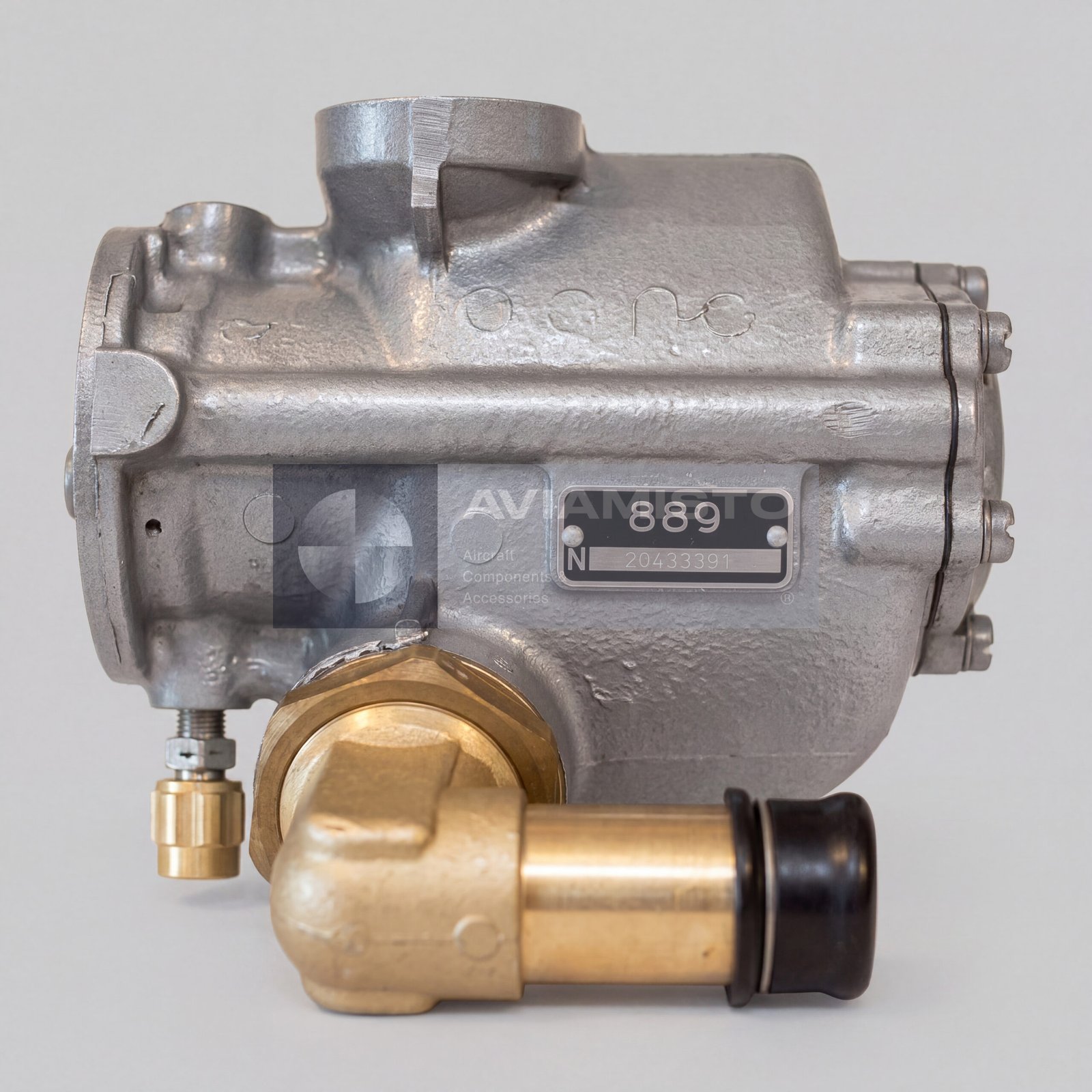
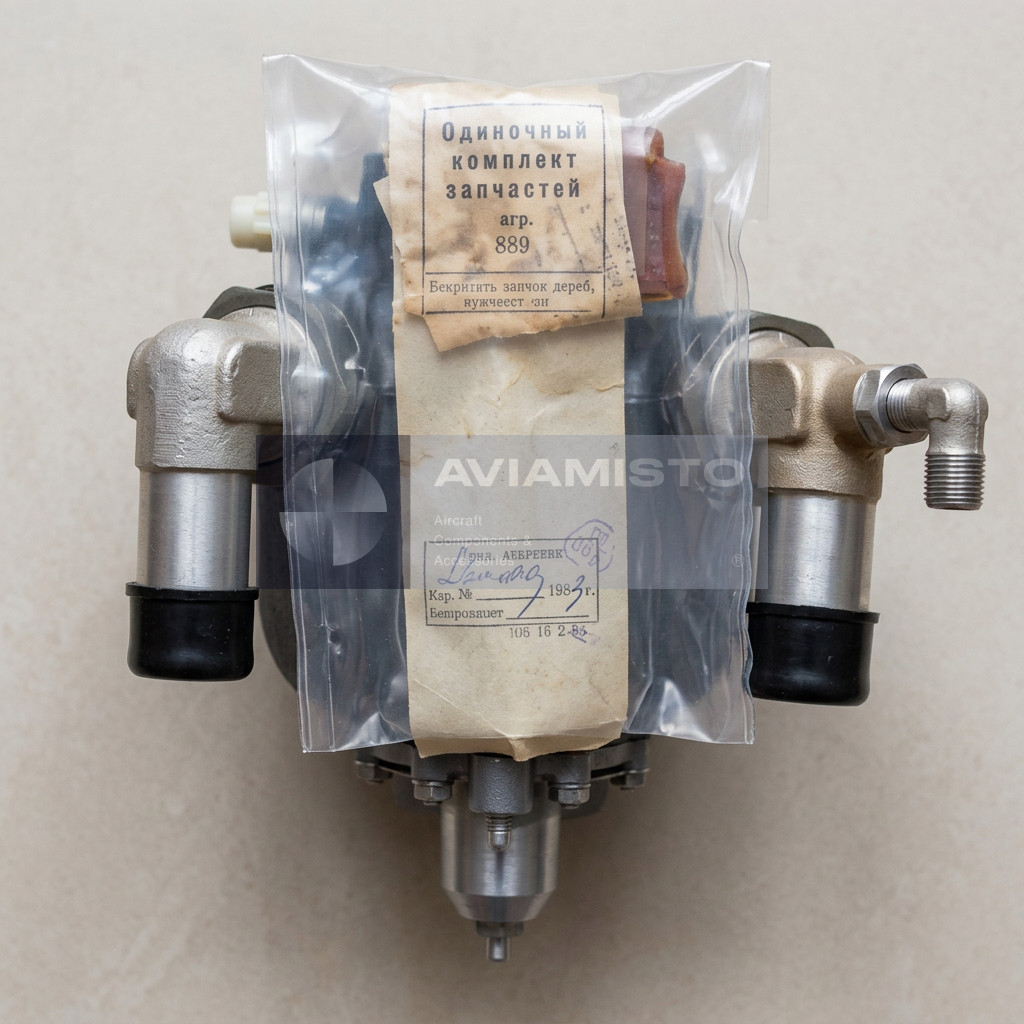
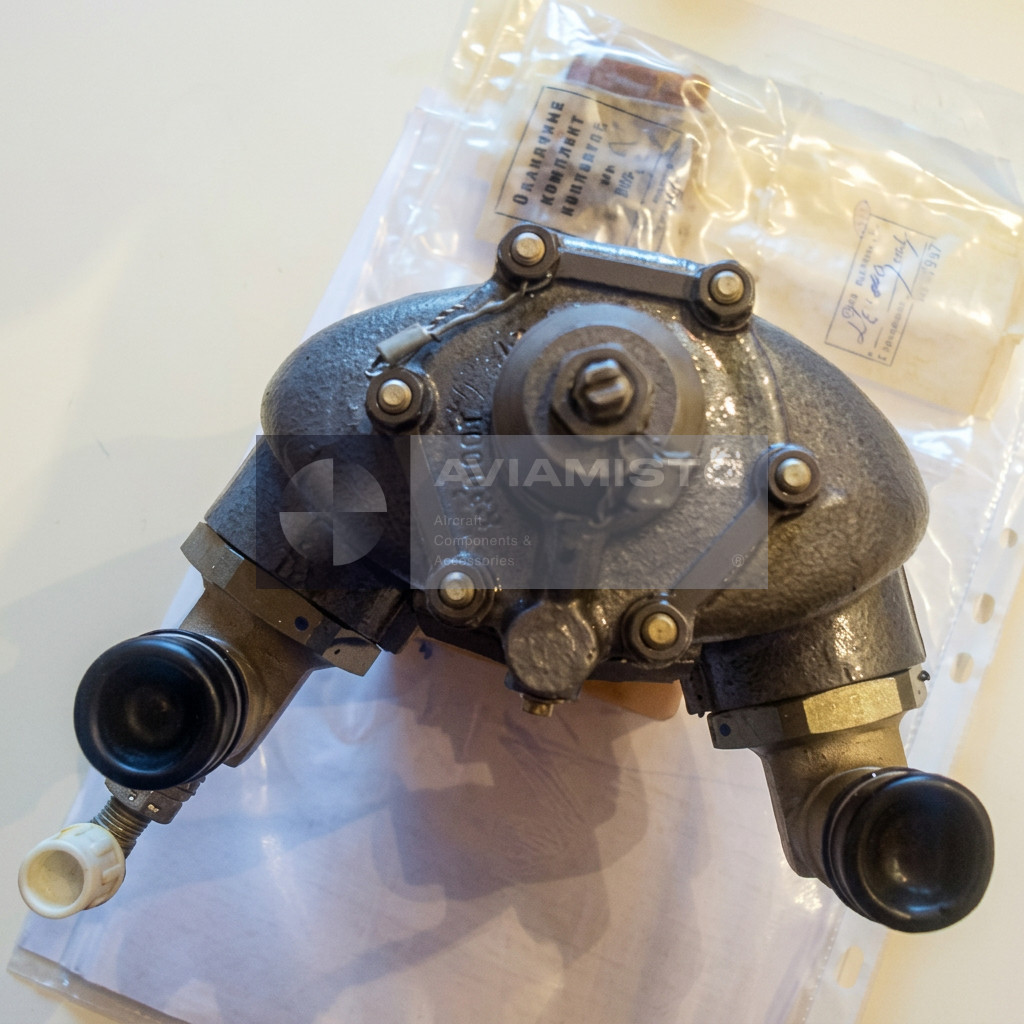
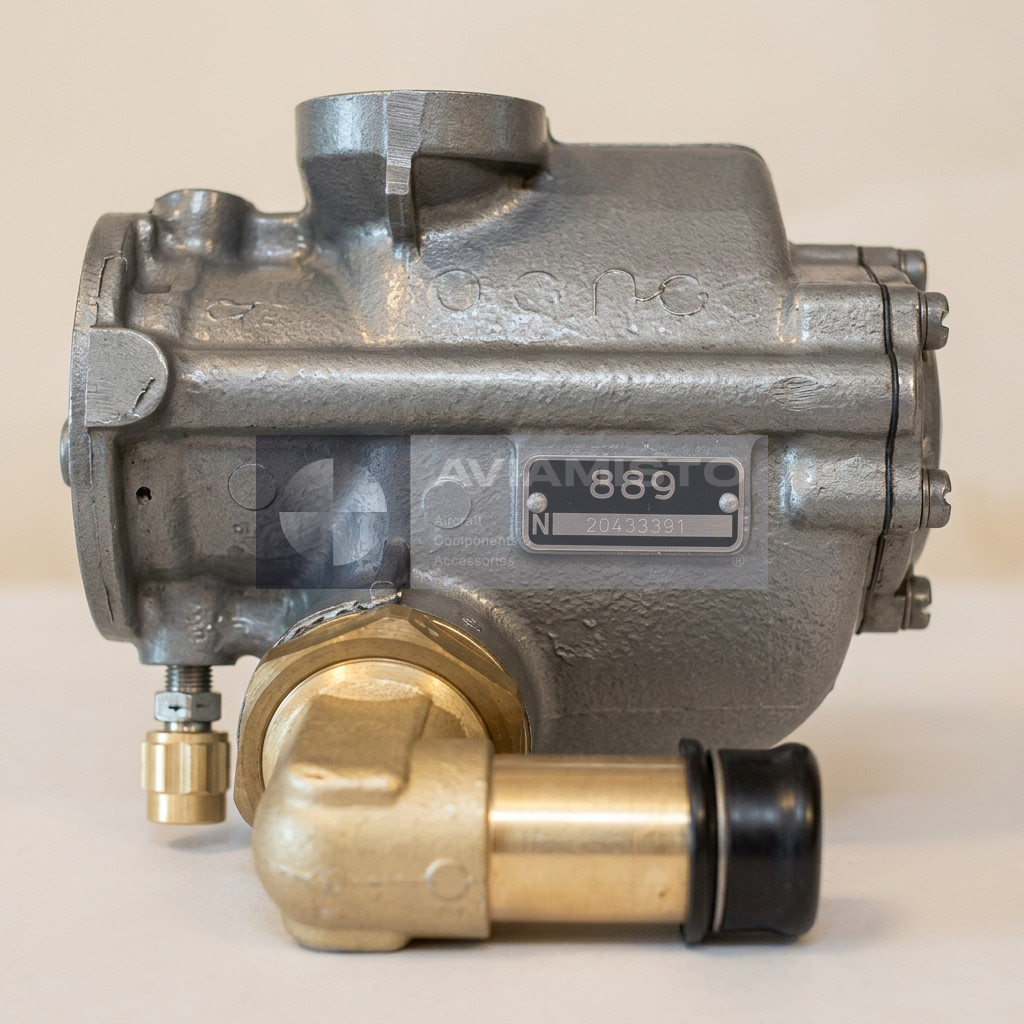
fuel pump
Price on request
fuel pump
Available on back-order
The 889 is an aircraft fuel boost pump used in the fuel supply system of AI-series gas turbine engines. Its main task is to deliver aviation kerosene to the inlet of the main high-pressure fuel pump and maintain the required positive inlet pressure. In this position, the 889 is not the final metering unit and does not feed the combustion chamber directly. It prepares the fuel flow for the next stage of the system, helping the high-pressure pump operate without fuel starvation, unstable suction, or cavitation.
In AI-20 engine fuel systems, the 889 pump normally works together with the 888 high-pressure fuel pump. The 889 supplies fuel to the inlet of the 888 and creates the required boost pressure. This is important because the 888 plunger-type pump needs a stable fuel feed to build high pressure reliably. If the inlet pressure is too low, the main pump may suffer from cavitation, poor delivery, overheating, or unstable operation. For that reason, the 889 is a small but important unit in the complete fuel-pressure chain.
The 889 pump is mechanically driven from the engine accessory gearbox. It is mounted directly on the drive flange, and rotation is transmitted through the engine drive system to the pump shaft. This means the pump’s operation is tied to engine rotation rather than to an independent electric motor. During inspection or replacement, the drive connection, splines, mounting flange, sealing surfaces, rotation direction, and shaft condition should be checked carefully. Mechanical drive condition matters just as much as the hydraulic performance of the pump itself.
The 889 boost pump is associated with AI-20 and AI-24 engine families, including AI-20K, AI-20M, AI-20D, AI-24T and AI-24VT configurations depending on the fuel system version. These engines are used on aircraft such as Il-18, Il-38, An-12, An-24, An-26 and An-30. The pump may also be used on ground power installations based on converted AI-20 engines, including PAES-2500-type stations. Exact applicability must be checked by engine modification, fuel system layout, and parts catalog, because similar fuel-system units may differ by execution.
The 889 is part of a larger engine fuel supply chain. Upstream and downstream of the pump, the system can include fuel filters, fuel lines, the 888 high-pressure pump, fuel metering equipment, fuel-flow regulators and injector manifolds. The 889 maintains inlet feed for the high-pressure section, while the 888 and control units provide pressure increase and metering for engine operation. If the engine shows fuel pressure or starting issues, the 889 should be checked together with filters, inlet lines, the 888 pump, and the downstream fuel-control equipment.
The 889 pump includes a valve group with a pressure-reducing valve and a priming / filling valve. These elements are combined in one assembly and located inside the reducing chamber of the pump body. Their function is to keep fuel supply behavior within the intended limits and support correct operation of the pump circuit. During repair or inspection, this valve section is important because contamination, sticking, wear, or incorrect valve seating can affect the boost pressure delivered to the main high-pressure pump.
The 889 is an aviation fuel-system component and should be supplied with the proper documentation for aircraft use. Before installation, the pump should be inspected for housing condition, fittings, drive shaft, spline connection, rotation direction, leakage, storage condition and cleanliness of fuel passages. Since the pump works directly with aviation kerosene, internal contamination is a serious risk. For procurement, the requested condition should be stated clearly: new, from storage, repaired, overhauled, or bench-tested with documents. Compatibility with the exact engine version should be confirmed before shipment.
Product Type: Aircraft fuel boost pump
Designation: 889
Function: Fuel supply and positive inlet pressure maintenance before the main high-pressure fuel pump
Application / Where Used: Fuel systems of aircraft gas turbine and turboprop engines
System / Installation Area: Engine accessory gearbox; low-pressure / boost section of the fuel supply system
Primary System Role: Supplying aviation kerosene to the inlet of the 888 high-pressure fuel pump
Compatible Engines / Equipment: AI-20 and AI-24 engine families, including AI-20K, AI-20M, AI-20D, AI-24T, AI-24VT depending on configuration
Compatible Aircraft / Installations: Il-18, Il-38, An-12, An-24, An-26, An-30; PAES-2500-type power stations depending on engine installation
Working Medium: Aviation fuel / kerosene
Drive Type: Mechanical drive from engine accessory gearbox
Mounting: Direct flange mounting on engine accessory gearbox / front case drive area
Drive Transmission: Spline shaft from the engine drive system
Discharge Pressure: 2.5 ±0.5 kgf/cm² gauge pressure
Maximum Line Pressure: 3 kgf/cm²
Rotational Speed: 1928–2280 rpm
Power Consumption: 1 hp
Direction of Rotation: Right-hand rotation
Dry Weight: 4 kg with inlet and outlet fittings
Valve Group: Pressure-reducing valve and priming / filling valve combined in one assembly
Associated Main Pump: 888 high-pressure fuel pump
Associated Fuel-System Components: Engine fuel filters, fuel metering units, RPT-20 fuel-flow regulator and injector manifold depending on configuration
Technical Documentation: Product passport, bench-test documents, engine fuel system documentation and acceptance records as applicable
All shipments are carried out from our international warehouse in Dubai (UAE), as well as from our partners’ remote warehouses.
In Stock — items available in stock at the Dubai warehouse are dispatched within 5–10 business days after receiving 100% prepayment.
Remote Stock — items available at our partners’ remote warehouses are supplied within an average of 30–45 business days after receiving 100% prepayment.
Pre-Order — made-to-order products are manufactured and delivered within an average of 45–60 business days. Payment terms: 50% advance payment to start production, with the remaining 50% paid before dispatch from the Dubai warehouse after full readiness for shipment.
Returns & Changes (Restocking Fee)
For selected items, a RESTOCKING FEE of 10% may apply in case of return, order cancellation, or changes to the order specifications. This condition applies only to certain products and is confirmed at the order approval stage.
Warranty
All products are covered by a standard 6-month warranty.
Extended warranty is available upon request and is agreed individually; it may affect the final product price.
The 889 is an aircraft fuel boost pump used in the fuel supply system of AI-series gas turbine engines. Its main task is to deliver aviation kerosene to the inlet of the main high-pressure fuel pump and maintain the required positive inlet pressure. In this position, the 889 is not the final metering unit and does not feed the combustion chamber directly. It prepares the fuel flow for the next stage of the system, helping the high-pressure pump operate without fuel starvation, unstable suction, or cavitation.
In AI-20 engine fuel systems, the 889 pump normally works together with the 888 high-pressure fuel pump. The 889 supplies fuel to the inlet of the 888 and creates the required boost pressure. This is important because the 888 plunger-type pump needs a stable fuel feed to build high pressure reliably. If the inlet pressure is too low, the main pump may suffer from cavitation, poor delivery, overheating, or unstable operation. For that reason, the 889 is a small but important unit in the complete fuel-pressure chain.
The 889 pump is mechanically driven from the engine accessory gearbox. It is mounted directly on the drive flange, and rotation is transmitted through the engine drive system to the pump shaft. This means the pump’s operation is tied to engine rotation rather than to an independent electric motor. During inspection or replacement, the drive connection, splines, mounting flange, sealing surfaces, rotation direction, and shaft condition should be checked carefully. Mechanical drive condition matters just as much as the hydraulic performance of the pump itself.
The 889 boost pump is associated with AI-20 and AI-24 engine families, including AI-20K, AI-20M, AI-20D, AI-24T and AI-24VT configurations depending on the fuel system version. These engines are used on aircraft such as Il-18, Il-38, An-12, An-24, An-26 and An-30. The pump may also be used on ground power installations based on converted AI-20 engines, including PAES-2500-type stations. Exact applicability must be checked by engine modification, fuel system layout, and parts catalog, because similar fuel-system units may differ by execution.
The 889 is part of a larger engine fuel supply chain. Upstream and downstream of the pump, the system can include fuel filters, fuel lines, the 888 high-pressure pump, fuel metering equipment, fuel-flow regulators and injector manifolds. The 889 maintains inlet feed for the high-pressure section, while the 888 and control units provide pressure increase and metering for engine operation. If the engine shows fuel pressure or starting issues, the 889 should be checked together with filters, inlet lines, the 888 pump, and the downstream fuel-control equipment.
The 889 pump includes a valve group with a pressure-reducing valve and a priming / filling valve. These elements are combined in one assembly and located inside the reducing chamber of the pump body. Their function is to keep fuel supply behavior within the intended limits and support correct operation of the pump circuit. During repair or inspection, this valve section is important because contamination, sticking, wear, or incorrect valve seating can affect the boost pressure delivered to the main high-pressure pump.
The 889 is an aviation fuel-system component and should be supplied with the proper documentation for aircraft use. Before installation, the pump should be inspected for housing condition, fittings, drive shaft, spline connection, rotation direction, leakage, storage condition and cleanliness of fuel passages. Since the pump works directly with aviation kerosene, internal contamination is a serious risk. For procurement, the requested condition should be stated clearly: new, from storage, repaired, overhauled, or bench-tested with documents. Compatibility with the exact engine version should be confirmed before shipment.
Product Type: Aircraft fuel boost pump
Designation: 889
Function: Fuel supply and positive inlet pressure maintenance before the main high-pressure fuel pump
Application / Where Used: Fuel systems of aircraft gas turbine and turboprop engines
System / Installation Area: Engine accessory gearbox; low-pressure / boost section of the fuel supply system
Primary System Role: Supplying aviation kerosene to the inlet of the 888 high-pressure fuel pump
Compatible Engines / Equipment: AI-20 and AI-24 engine families, including AI-20K, AI-20M, AI-20D, AI-24T, AI-24VT depending on configuration
Compatible Aircraft / Installations: Il-18, Il-38, An-12, An-24, An-26, An-30; PAES-2500-type power stations depending on engine installation
Working Medium: Aviation fuel / kerosene
Drive Type: Mechanical drive from engine accessory gearbox
Mounting: Direct flange mounting on engine accessory gearbox / front case drive area
Drive Transmission: Spline shaft from the engine drive system
Discharge Pressure: 2.5 ±0.5 kgf/cm² gauge pressure
Maximum Line Pressure: 3 kgf/cm²
Rotational Speed: 1928–2280 rpm
Power Consumption: 1 hp
Direction of Rotation: Right-hand rotation
Dry Weight: 4 kg with inlet and outlet fittings
Valve Group: Pressure-reducing valve and priming / filling valve combined in one assembly
Associated Main Pump: 888 high-pressure fuel pump
Associated Fuel-System Components: Engine fuel filters, fuel metering units, RPT-20 fuel-flow regulator and injector manifold depending on configuration
Technical Documentation: Product passport, bench-test documents, engine fuel system documentation and acceptance records as applicable
All shipments are carried out from our international warehouse in Dubai (UAE), as well as from our partners’ remote warehouses.
In Stock — items available in stock at the Dubai warehouse are dispatched within 5–10 business days after receiving 100% prepayment.
Remote Stock — items available at our partners’ remote warehouses are supplied within an average of 30–45 business days after receiving 100% prepayment.
Pre-Order — made-to-order products are manufactured and delivered within an average of 45–60 business days. Payment terms: 50% advance payment to start production, with the remaining 50% paid before dispatch from the Dubai warehouse after full readiness for shipment.
Returns & Changes (Restocking Fee)
For selected items, a RESTOCKING FEE of 10% may apply in case of return, order cancellation, or changes to the order specifications. This condition applies only to certain products and is confirmed at the order approval stage.
Warranty
All products are covered by a standard 6-month warranty.
Extended warranty is available upon request and is agreed individually; it may affect the final product price.