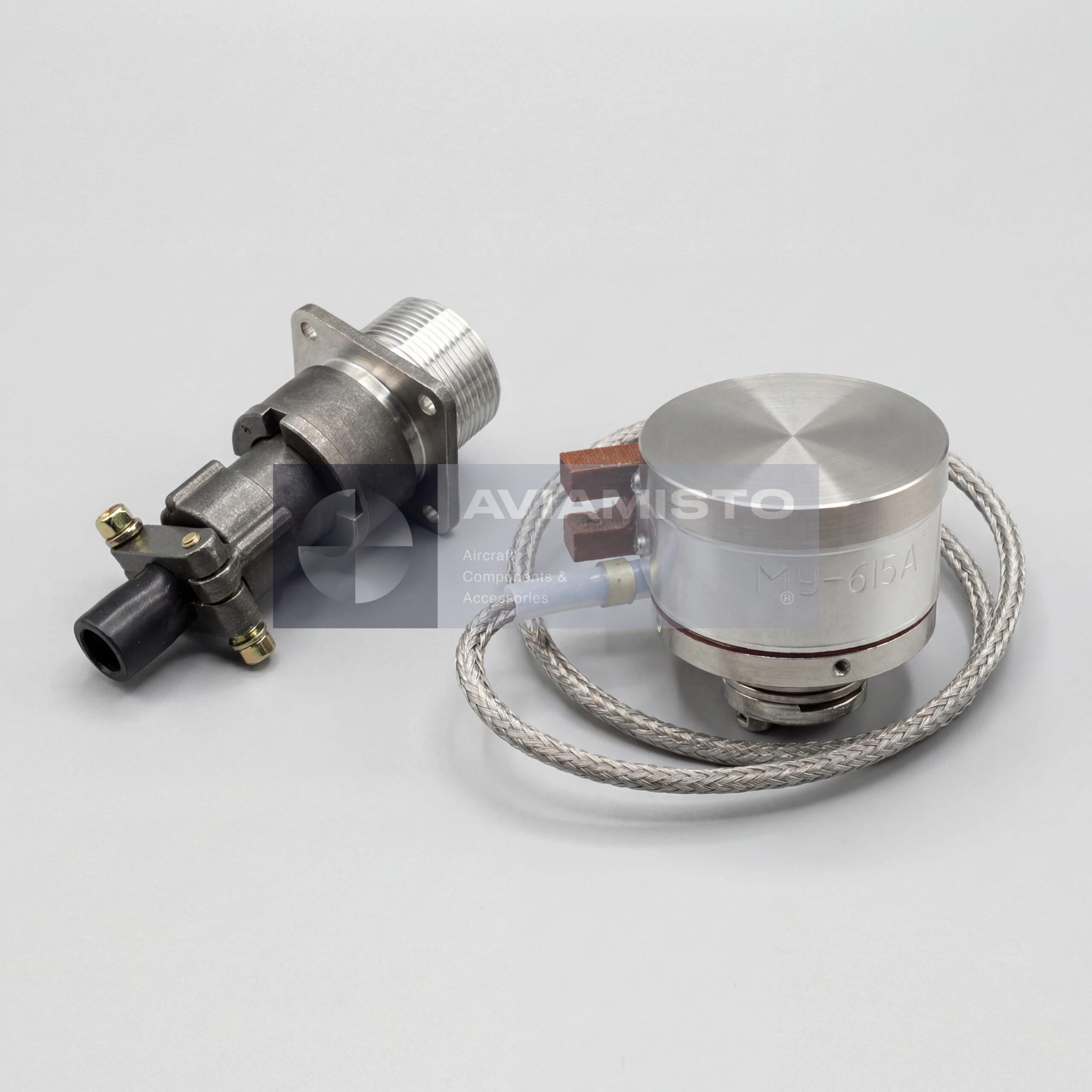
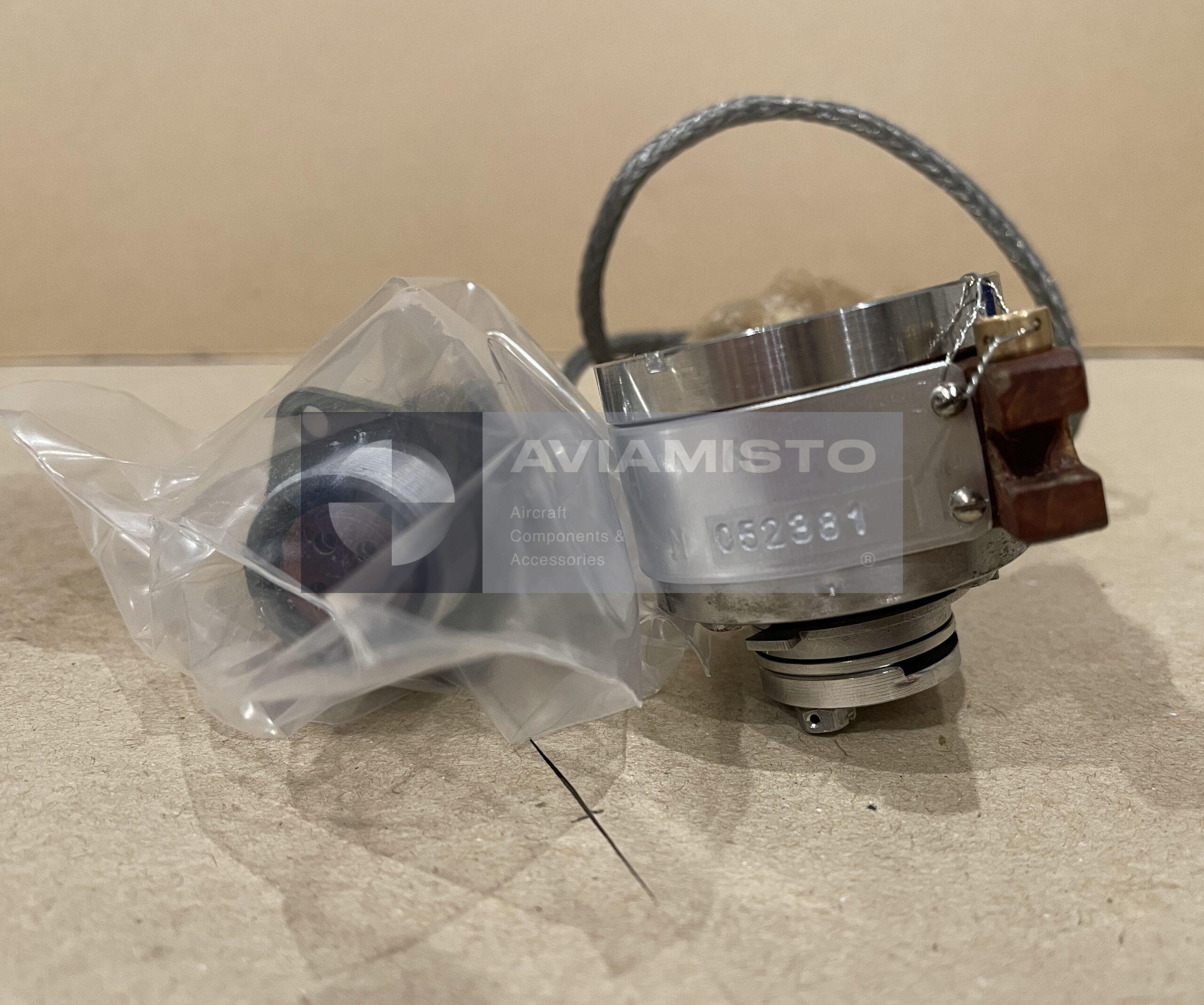
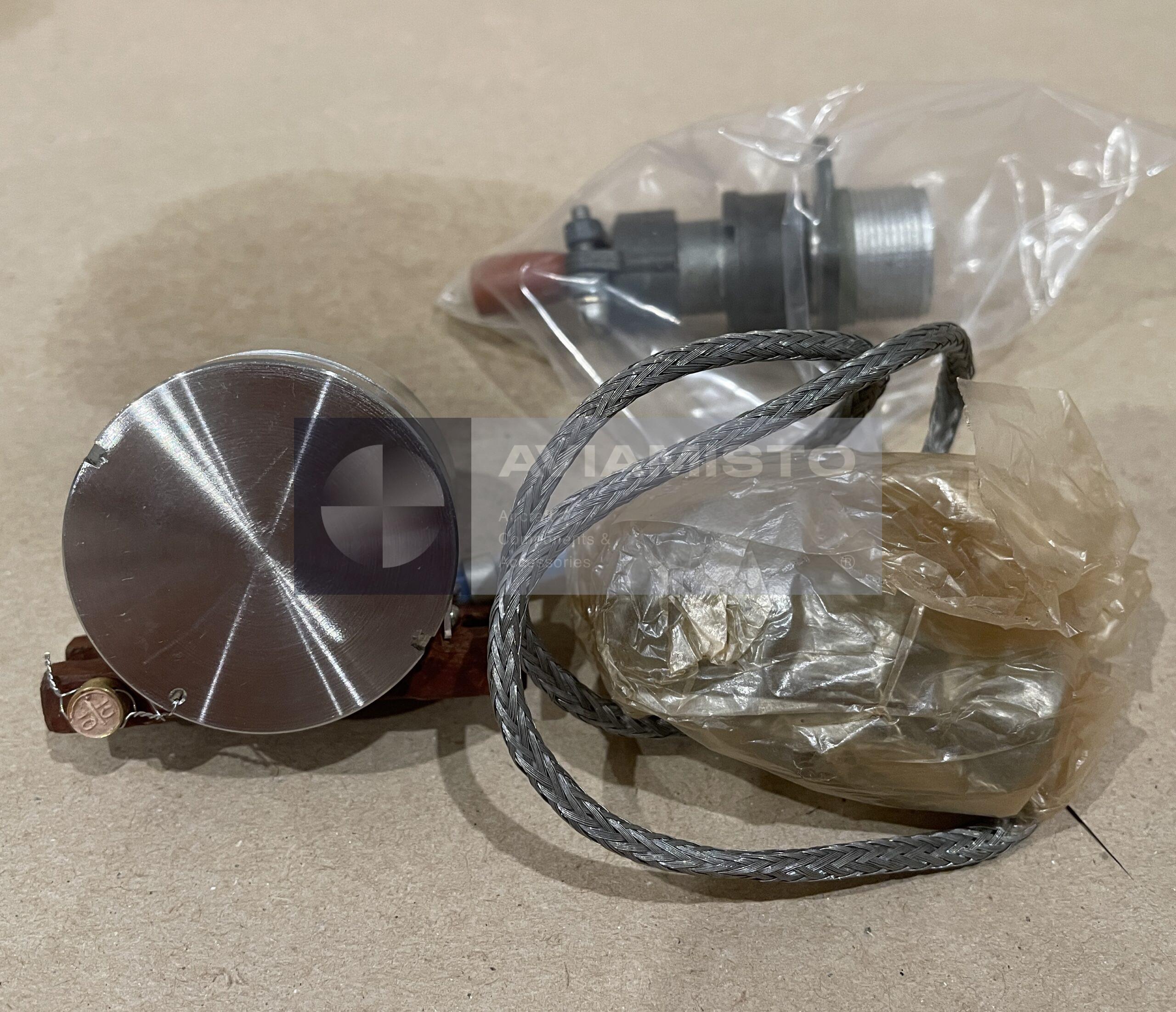
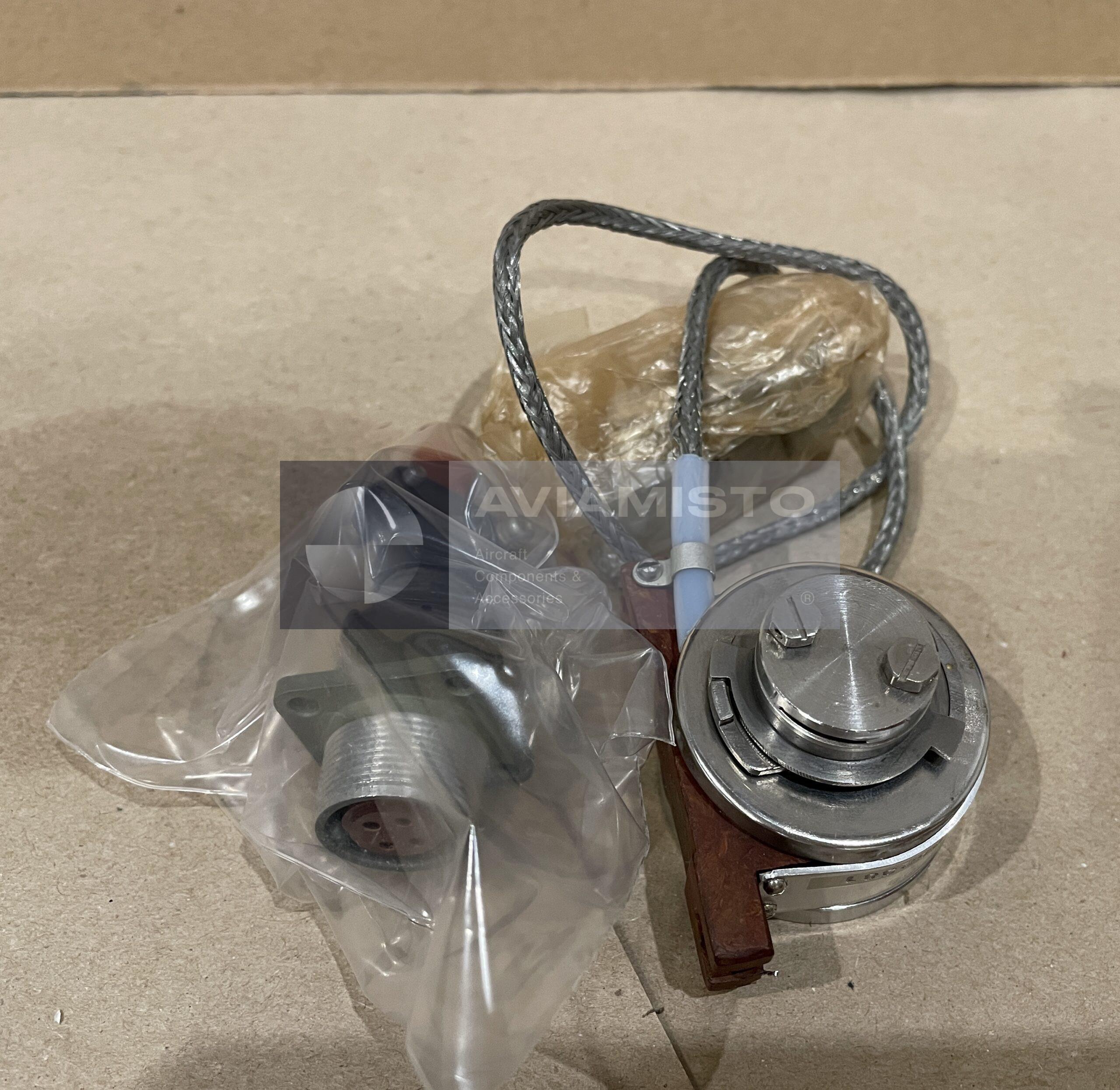
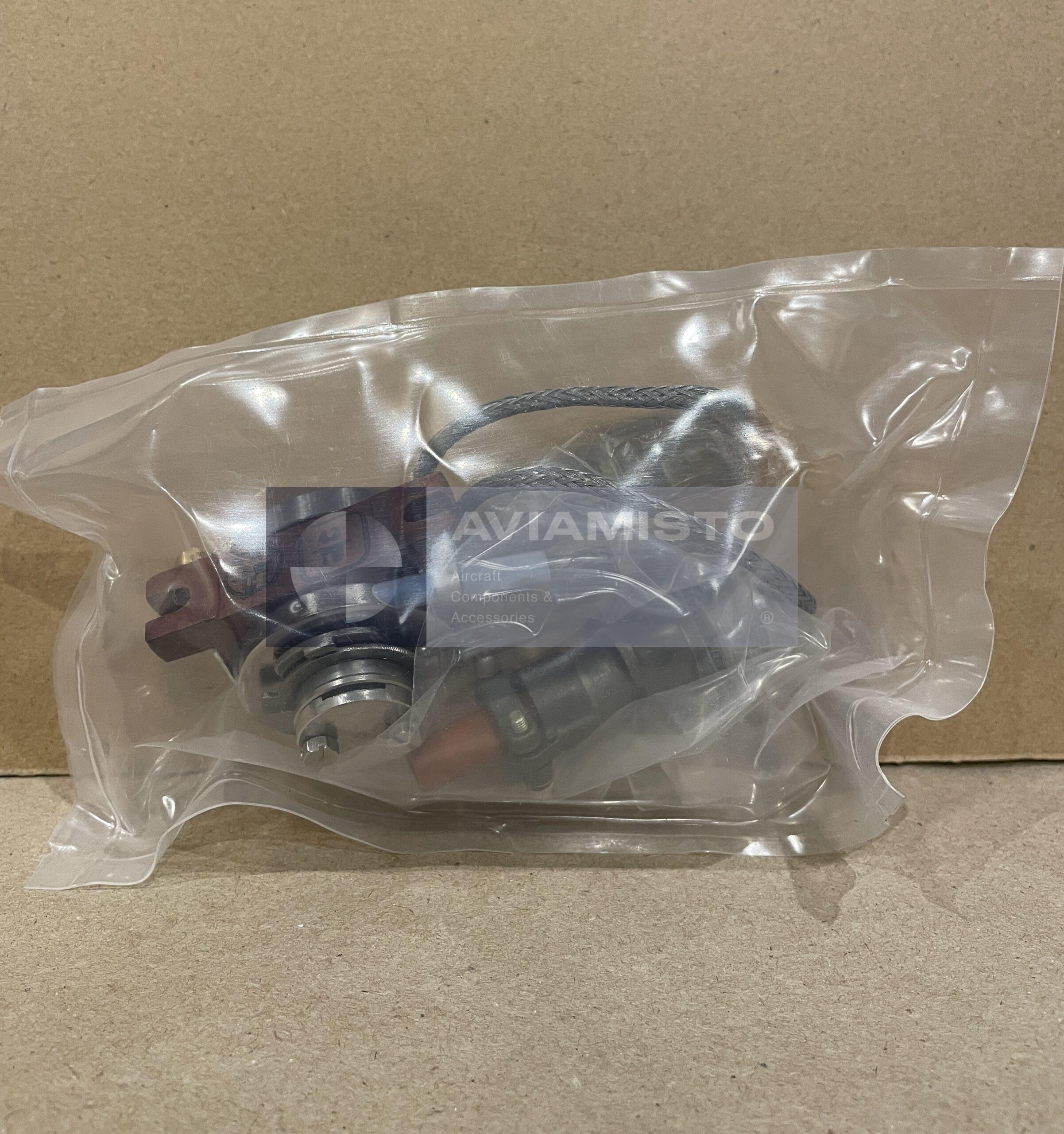
angular position sensor
Price on request
angular position sensor
17 in stock
The MU-615A is a potentiometric angular position sensor used in aviation equipment to convert shaft rotation into an electrical signal. It is installed in aircraft and helicopter systems where the position of a mechanical element must be monitored with sufficient accuracy. In operation, the MU-615A works as a feedback sensor: it does not move the mechanism itself, but reports the angular position of the shaft to onboard measuring, indication or control circuits.
The main function of the MU-615A is to measure angular displacement within its specified working range. When the connected shaft rotates, the sensor produces an electrical output that corresponds to the shaft position. This signal can then be used by aircraft equipment to determine the position of a linkage, actuator, control element or mechanical transmission. Correct measurement depends on the sensor setting, shaft alignment, mounting accuracy and condition of the electrical circuit.
The MU-615A operates on a potentiometric principle. Rotation of the input shaft moves a contact element along a resistive track, changing the output signal in proportion to angular position. This design is simple and reliable when the resistive element, contact group and shaft bearing are in good condition. Wear of the track, poor contact, contamination or incorrect installation can cause unstable readings, increased nonlinearity or loss of accuracy in the receiving system.
The sensor may be used in actuator feedback circuits, control linkage monitoring, control surface mechanisms and other onboard equipment where rotational position must be converted into an electrical signal. In these systems, the MU-615A helps the aircraft equipment understand the actual position of a mechanical component. If the feedback signal is incorrect, the fault may be in the sensor, but it may also come from linkage play, shaft misalignment, wiring, connector condition or calibration of the receiving channel.
The MU-615A is installed in mechanical transmission or actuator assemblies where angular motion needs to be monitored. Because the unit is compact, it can be mounted in limited-space aircraft equipment areas. Installation should be made according to the required neutral position, rotation direction and working angle specified by aircraft documentation. During replacement, the mechanical coupling, shaft position, mounting points and electrical connector should be checked carefully to avoid incorrect feedback after installation.
The MU-615A is designed for aviation operating environments and can work over a wide temperature range. The sensor also has a short-term high-temperature limit, which may be important for installations near engines, actuators or heated equipment zones. Since this is an electromechanical sensor, both electrical and mechanical condition matter. The housing, shaft, connector, resistance output and smoothness of signal change should be checked before installation or return to service.
For procurement or replacement, the full designation MU-615A / МУ-615А should be specified. The alternative written form MU615A may also appear in supplier records, but the marking and documentation should be verified. Before installation, the sensor should be checked for correct designation, housing condition, shaft condition, output resistance, nonlinearity, measurement error and compatibility with the target aircraft system. For aviation use, technical or manufacturer documentation should be confirmed where available.
Product Type: Potentiometric angular position sensor
Designation: MU-615A
Alternative Designations: MU615A; МУ-615А
Function: Conversion of angular displacement into an electrical signal
Application / Where Used: Aircraft and helicopter control and measurement systems
System / Installation Area: Control linkage systems, actuator feedback circuits and position measurement channels
Measured Parameter: Angular shaft displacement
Operating Principle: Potentiometric conversion of shaft rotation into electrical signal
Operating Voltage: 6 V ±0.5 V
Working Angle Range: ±30° ±2°
Total Angle Range: ±60° ±2°
Potentiometer Resistance: 700 Ω ±200 Ω
Measurement Error: Not more than ±2%
Nonlinearity: Not more than ±1.5%
Operating Temperature Range: −60 to +150 °C
Short-Term Temperature Limit: Up to +200 °C for 10 min
Dimensions: 39 × 54 × 41.5 mm
Weight: 0.145 kg ±0.015 kg
Inspection / Testing: Shaft rotation check, resistance output check, signal smoothness check, connector inspection, housing inspection and compatibility verification
Condition: As applicable
Technical Documentation: Technical documentation / manufacturer documentation
All shipments are carried out from our international warehouse in Dubai (UAE), as well as from our partners’ remote warehouses.
In Stock — items available in stock at the Dubai warehouse are dispatched within 5–10 business days after receiving 100% prepayment.
Remote Stock — items available at our partners’ remote warehouses are supplied within an average of 30–45 business days after receiving 100% prepayment.
Pre-Order — made-to-order products are manufactured and delivered within an average of 45–60 business days. Payment terms: 50% advance payment to start production, with the remaining 50% paid before dispatch from the Dubai warehouse after full readiness for shipment.
Returns & Changes (Restocking Fee)
For selected items, a RESTOCKING FEE of 10% may apply in case of return, order cancellation, or changes to the order specifications. This condition applies only to certain products and is confirmed at the order approval stage.
Warranty
All products are covered by a standard 6-month warranty.
Extended warranty is available upon request and is agreed individually; it may affect the final product price.
The MU-615A is a potentiometric angular position sensor used in aviation equipment to convert shaft rotation into an electrical signal. It is installed in aircraft and helicopter systems where the position of a mechanical element must be monitored with sufficient accuracy. In operation, the MU-615A works as a feedback sensor: it does not move the mechanism itself, but reports the angular position of the shaft to onboard measuring, indication or control circuits.
The main function of the MU-615A is to measure angular displacement within its specified working range. When the connected shaft rotates, the sensor produces an electrical output that corresponds to the shaft position. This signal can then be used by aircraft equipment to determine the position of a linkage, actuator, control element or mechanical transmission. Correct measurement depends on the sensor setting, shaft alignment, mounting accuracy and condition of the electrical circuit.
The MU-615A operates on a potentiometric principle. Rotation of the input shaft moves a contact element along a resistive track, changing the output signal in proportion to angular position. This design is simple and reliable when the resistive element, contact group and shaft bearing are in good condition. Wear of the track, poor contact, contamination or incorrect installation can cause unstable readings, increased nonlinearity or loss of accuracy in the receiving system.
The sensor may be used in actuator feedback circuits, control linkage monitoring, control surface mechanisms and other onboard equipment where rotational position must be converted into an electrical signal. In these systems, the MU-615A helps the aircraft equipment understand the actual position of a mechanical component. If the feedback signal is incorrect, the fault may be in the sensor, but it may also come from linkage play, shaft misalignment, wiring, connector condition or calibration of the receiving channel.
The MU-615A is installed in mechanical transmission or actuator assemblies where angular motion needs to be monitored. Because the unit is compact, it can be mounted in limited-space aircraft equipment areas. Installation should be made according to the required neutral position, rotation direction and working angle specified by aircraft documentation. During replacement, the mechanical coupling, shaft position, mounting points and electrical connector should be checked carefully to avoid incorrect feedback after installation.
The MU-615A is designed for aviation operating environments and can work over a wide temperature range. The sensor also has a short-term high-temperature limit, which may be important for installations near engines, actuators or heated equipment zones. Since this is an electromechanical sensor, both electrical and mechanical condition matter. The housing, shaft, connector, resistance output and smoothness of signal change should be checked before installation or return to service.
For procurement or replacement, the full designation MU-615A / МУ-615А should be specified. The alternative written form MU615A may also appear in supplier records, but the marking and documentation should be verified. Before installation, the sensor should be checked for correct designation, housing condition, shaft condition, output resistance, nonlinearity, measurement error and compatibility with the target aircraft system. For aviation use, technical or manufacturer documentation should be confirmed where available.
Product Type: Potentiometric angular position sensor
Designation: MU-615A
Alternative Designations: MU615A; МУ-615А
Function: Conversion of angular displacement into an electrical signal
Application / Where Used: Aircraft and helicopter control and measurement systems
System / Installation Area: Control linkage systems, actuator feedback circuits and position measurement channels
Measured Parameter: Angular shaft displacement
Operating Principle: Potentiometric conversion of shaft rotation into electrical signal
Operating Voltage: 6 V ±0.5 V
Working Angle Range: ±30° ±2°
Total Angle Range: ±60° ±2°
Potentiometer Resistance: 700 Ω ±200 Ω
Measurement Error: Not more than ±2%
Nonlinearity: Not more than ±1.5%
Operating Temperature Range: −60 to +150 °C
Short-Term Temperature Limit: Up to +200 °C for 10 min
Dimensions: 39 × 54 × 41.5 mm
Weight: 0.145 kg ±0.015 kg
Inspection / Testing: Shaft rotation check, resistance output check, signal smoothness check, connector inspection, housing inspection and compatibility verification
Condition: As applicable
Technical Documentation: Technical documentation / manufacturer documentation
All shipments are carried out from our international warehouse in Dubai (UAE), as well as from our partners’ remote warehouses.
In Stock — items available in stock at the Dubai warehouse are dispatched within 5–10 business days after receiving 100% prepayment.
Remote Stock — items available at our partners’ remote warehouses are supplied within an average of 30–45 business days after receiving 100% prepayment.
Pre-Order — made-to-order products are manufactured and delivered within an average of 45–60 business days. Payment terms: 50% advance payment to start production, with the remaining 50% paid before dispatch from the Dubai warehouse after full readiness for shipment.
Returns & Changes (Restocking Fee)
For selected items, a RESTOCKING FEE of 10% may apply in case of return, order cancellation, or changes to the order specifications. This condition applies only to certain products and is confirmed at the order approval stage.
Warranty
All products are covered by a standard 6-month warranty.
Extended warranty is available upon request and is agreed individually; it may affect the final product price.