ARK-UD Search and Rescue Radio Compass
×

Login by Email

Custom order 0
Back to catalog
PRE-ORDER
PRE-ORDER

Radio Compass

ARK-UD

Warranty:6 Months
Condition:New Surplus
Price on request
Price on request

Description

ARK-UD radio compass for search and rescue operations

The ARK-UD is an airborne automatic direction finder designed for search and rescue missions. Unlike standard navigation radio compasses used mainly for route navigation and approach to aerodrome beacons, ARK-UD is focused on locating emergency radio beacons and radio transmitters carried by crews, aircraft, rescue objects or other targets requiring search. The system operates in VHF and UHF bands and provides bearing information that allows the aircraft or helicopter to home in on the active beacon. In practice, this equipment is used when the crew needs not only to receive a signal, but also to determine where the source is located.

ARK-UD homing on emergency beacons

The main task of ARK-UD is to guide the search aircraft or helicopter toward a radio beacon using automatic bearing indication. The system provides continuous circular direction indication and allows the crew to fly toward transmitters operating with quartz frequency stabilization. When the aircraft passes over the beacon, the course indication changes by 180 degrees, giving the crew a clear sign that the source has been overflown. This function is important in rescue work because the aircraft may need to narrow the search area quickly and confirm the exact location of the emergency transmitter.

Signal identification through the ARK-UD system

ARK-UD is not limited to blind bearing indication. The crew can identify the operating beacon or radio station by listening to its signal in the headset. This is necessary because in a search area there may be several signals, interference sources, or transmitters operating on nearby channels. Audio identification helps confirm that the aircraft is being guided to the correct source. Depending on the aircraft installation, received signal information and bearing data may be displayed through common cockpit navigation indicators, while sound indication is provided through the onboard communication / headset system.

Operating modes of ARK-UD

The ARK-UD has several operating modes for different beacon signal types. Wide-band mode is used for continuous-emission beacons where wider reception is needed. Narrow-band mode is used for continuous-emission beacons when a more selective reception channel is required. Pulse mode is intended for impulse-type radio beacons. The control panel also includes an RPK mode, described as a radio semi-compass mode for indicating the side of the radio station relative to the aircraft longitudinal axis, although this mode may not be used on certain aircraft installations.

ARK-UD frequency channels and beacon types

The ARK-UD operates on fixed VHF channels and a UHF channel used for emergency and search radio systems. The VHF channel set includes frequencies used by aviation rescue and beacon equipment, while the UHF channel covers the 243.0 MHz emergency frequency. This channel structure makes the system suitable for working with both continuous and pulsed emergency transmitters. For a crew performing a search task, this is more practical than a general-purpose receiver, because the channels and operating modes are organized around the signals expected from emergency beacons.

Equipment set and aircraft installation of ARK-UD

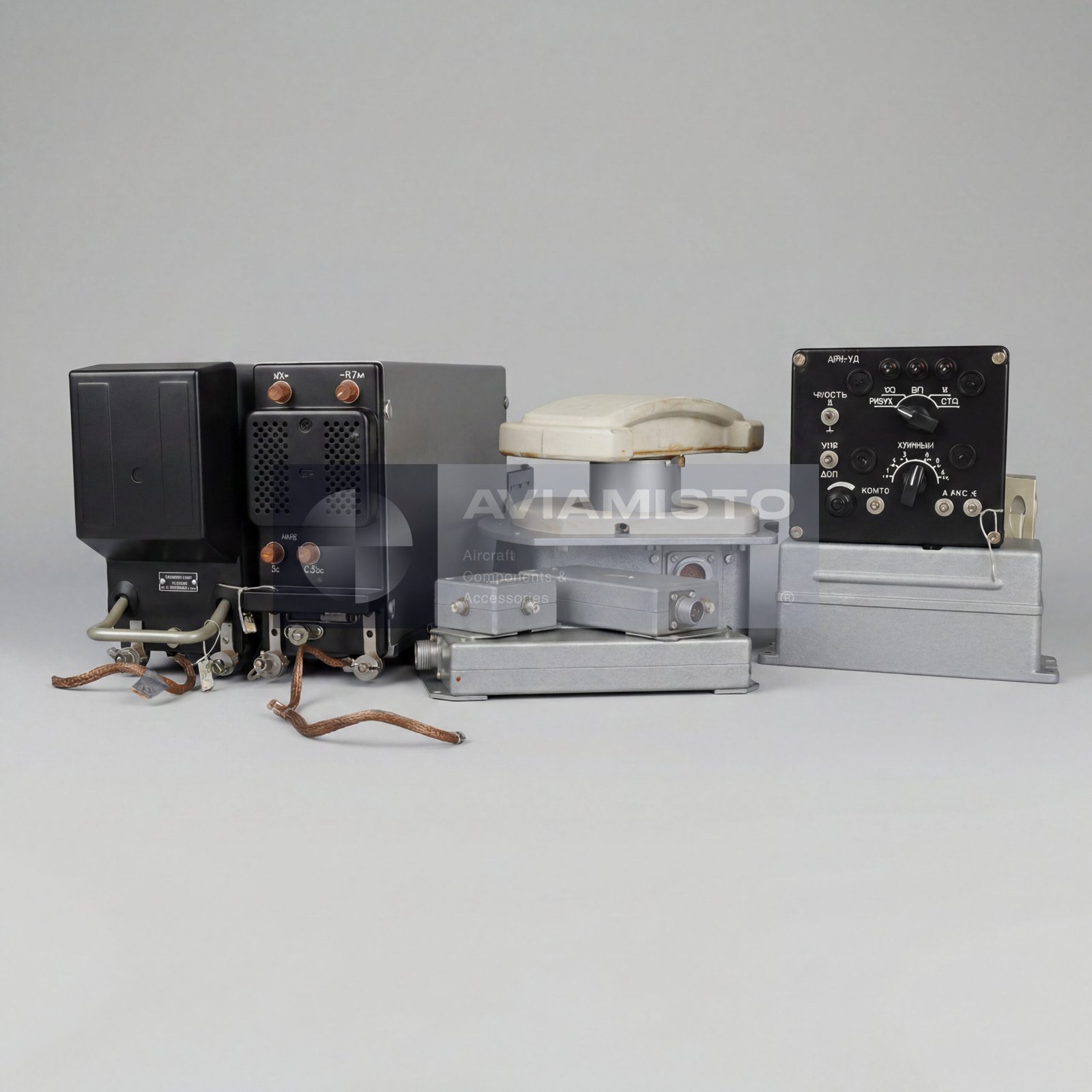
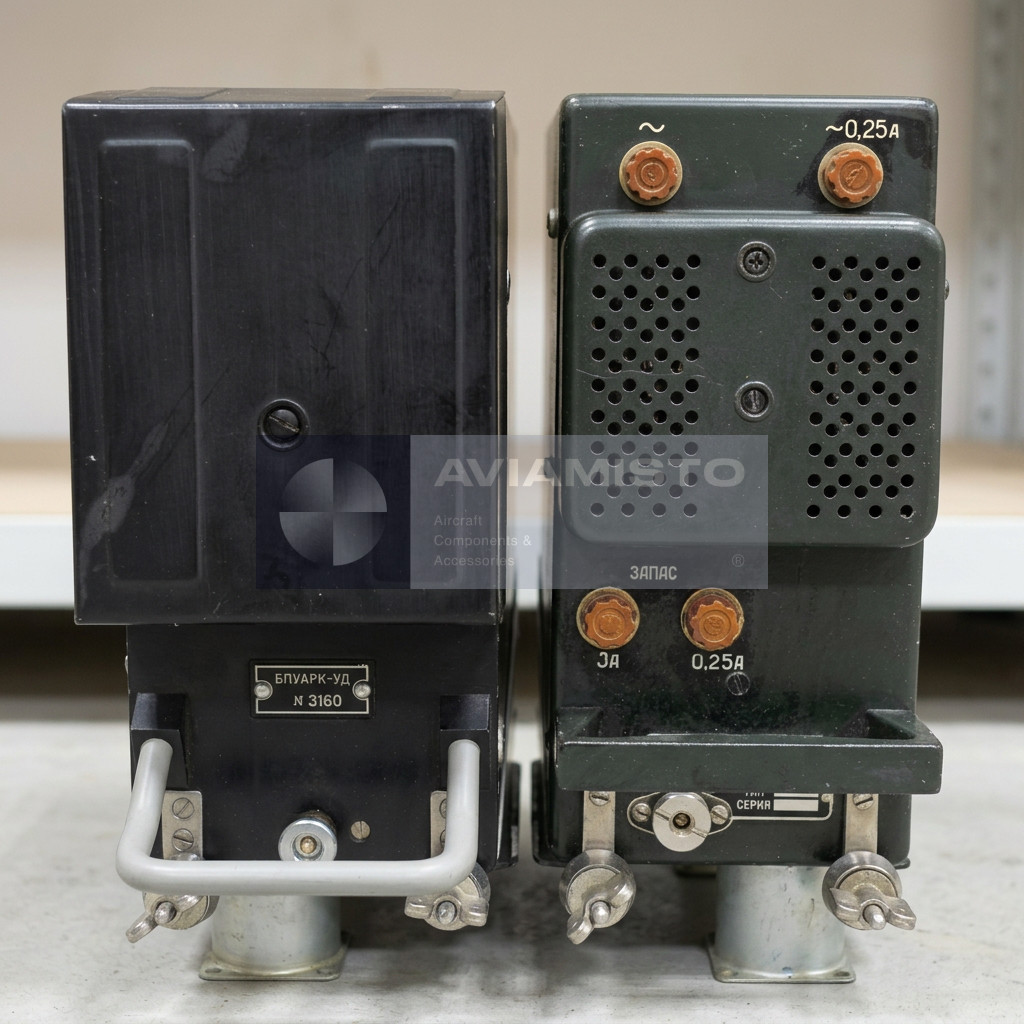
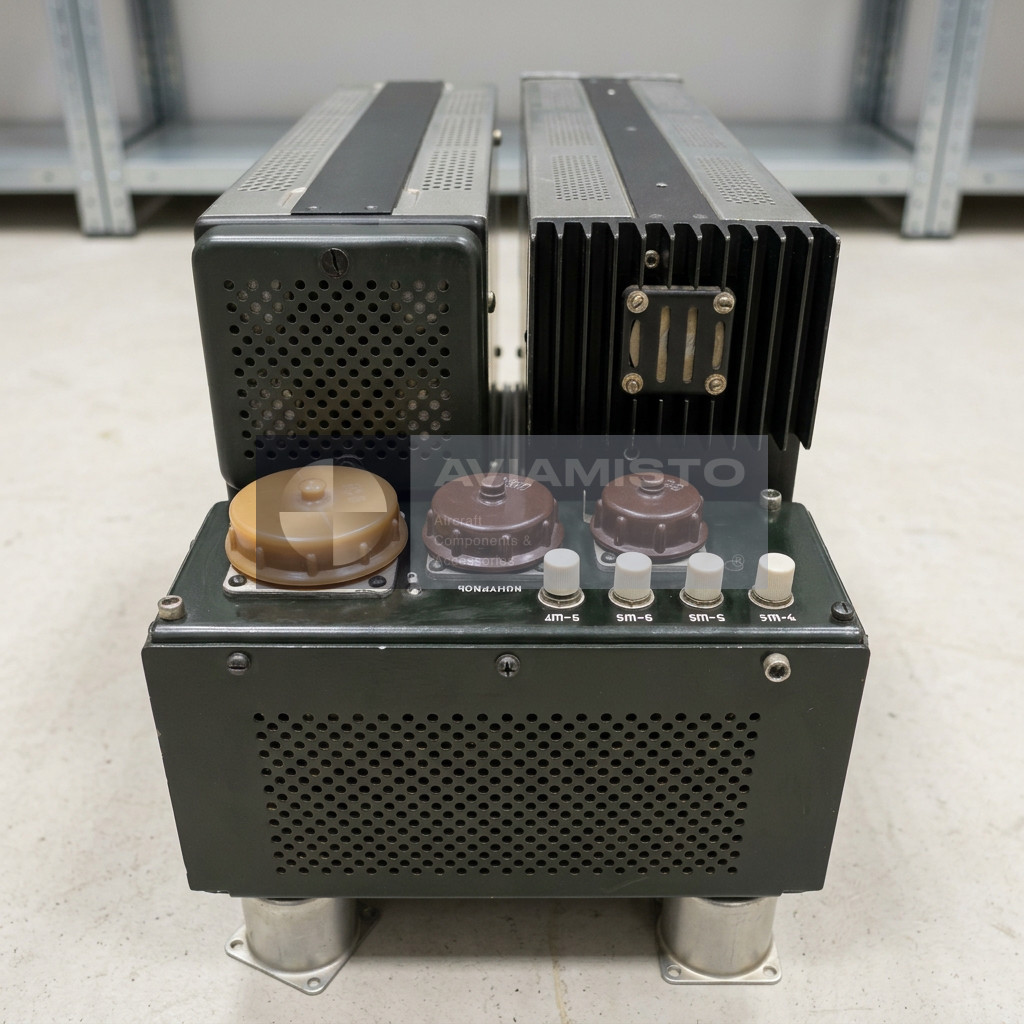
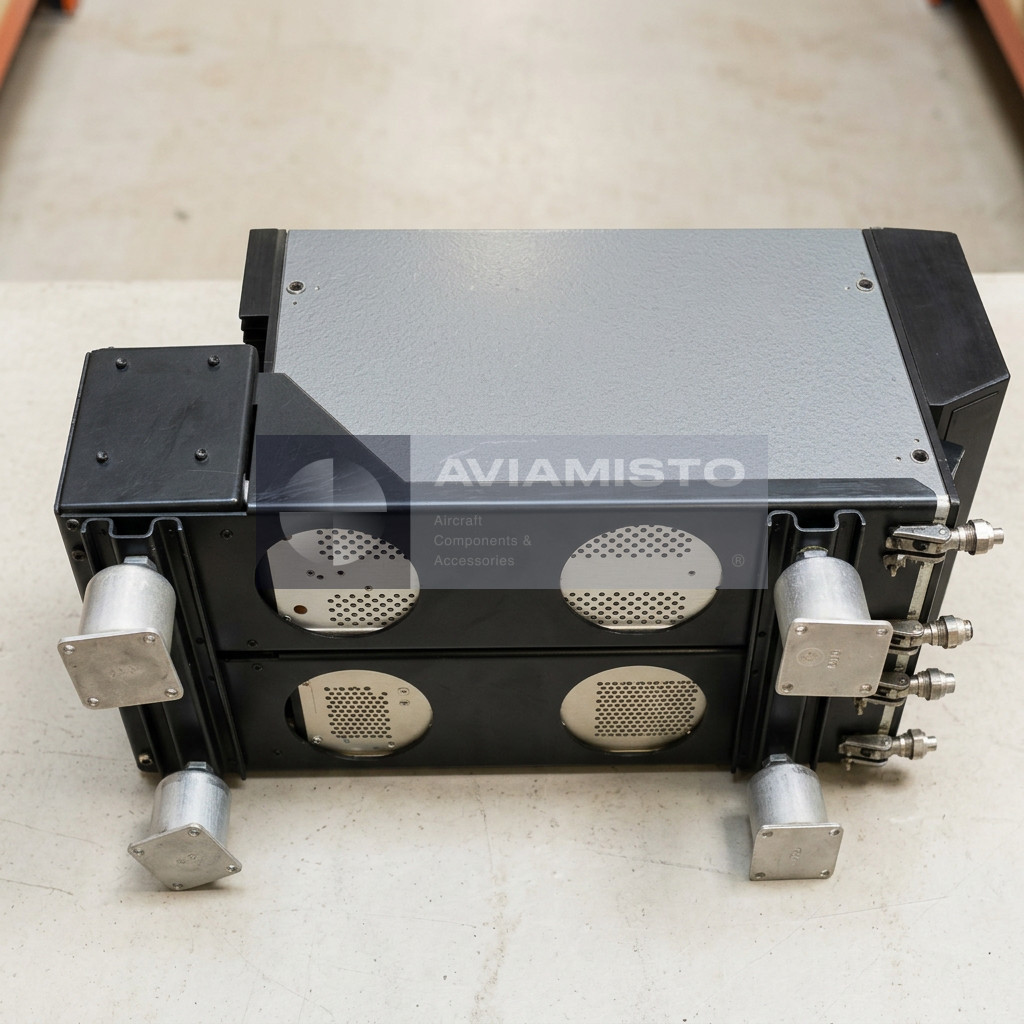
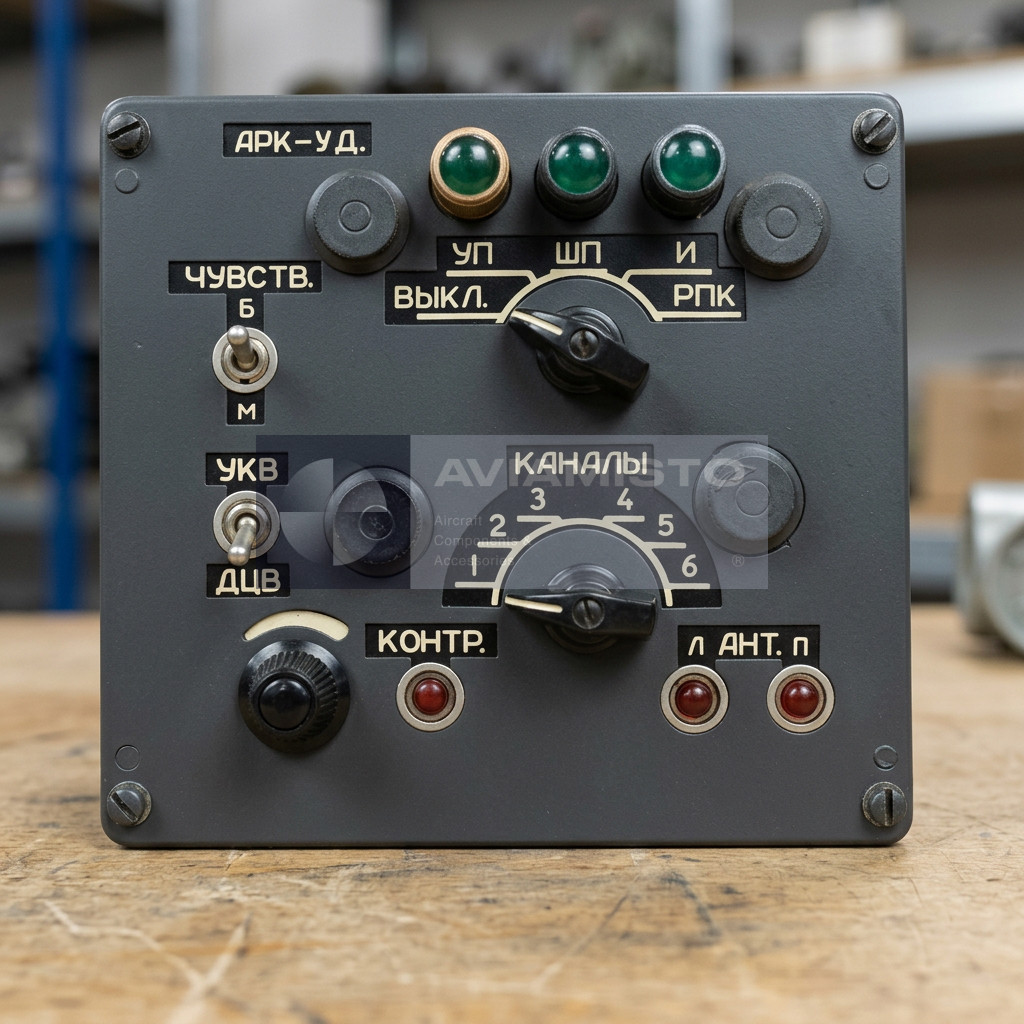
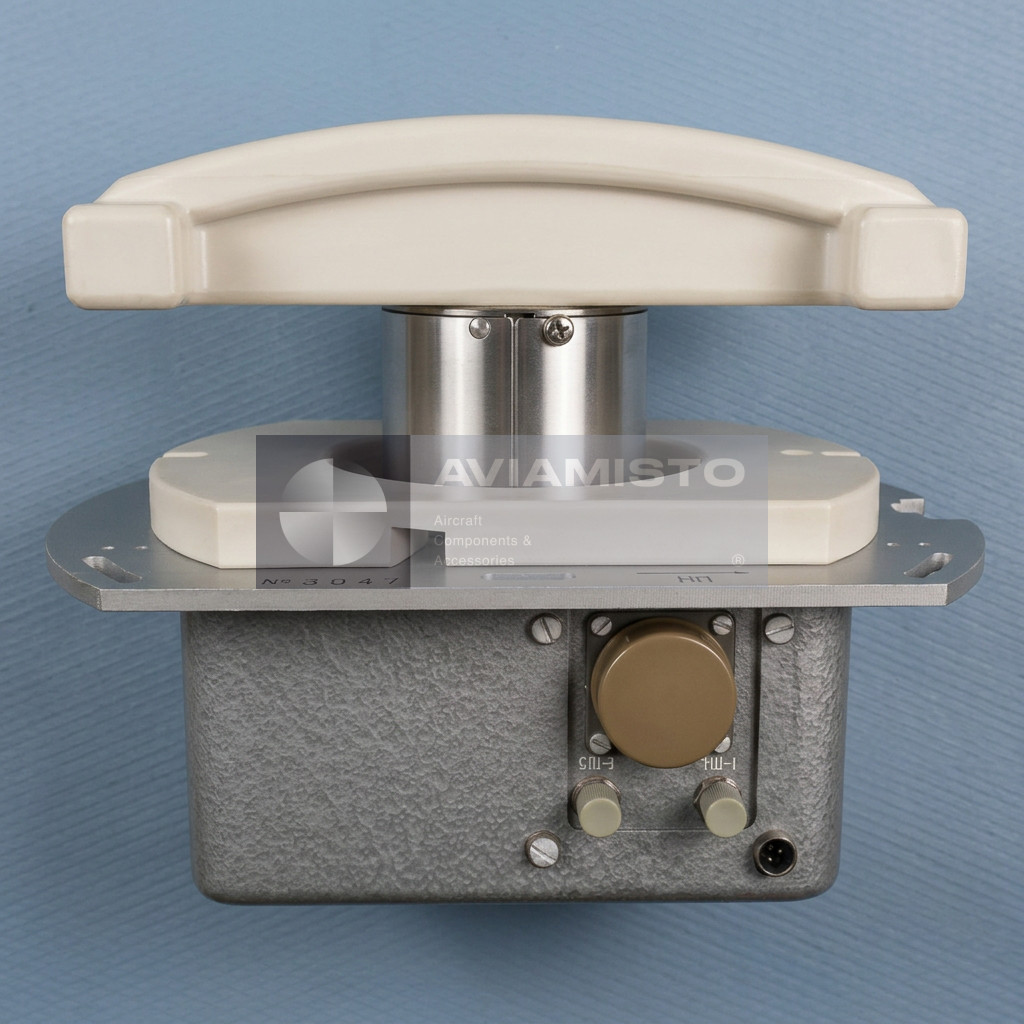
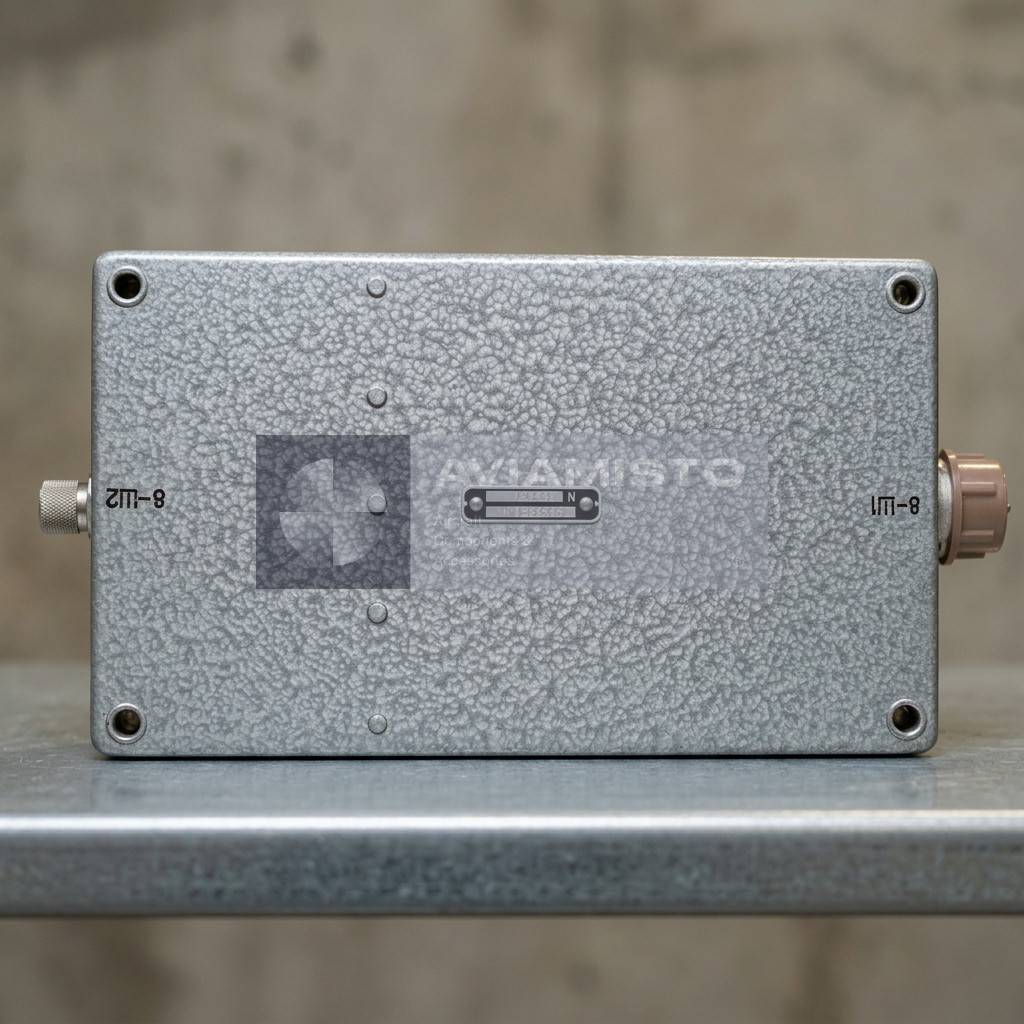
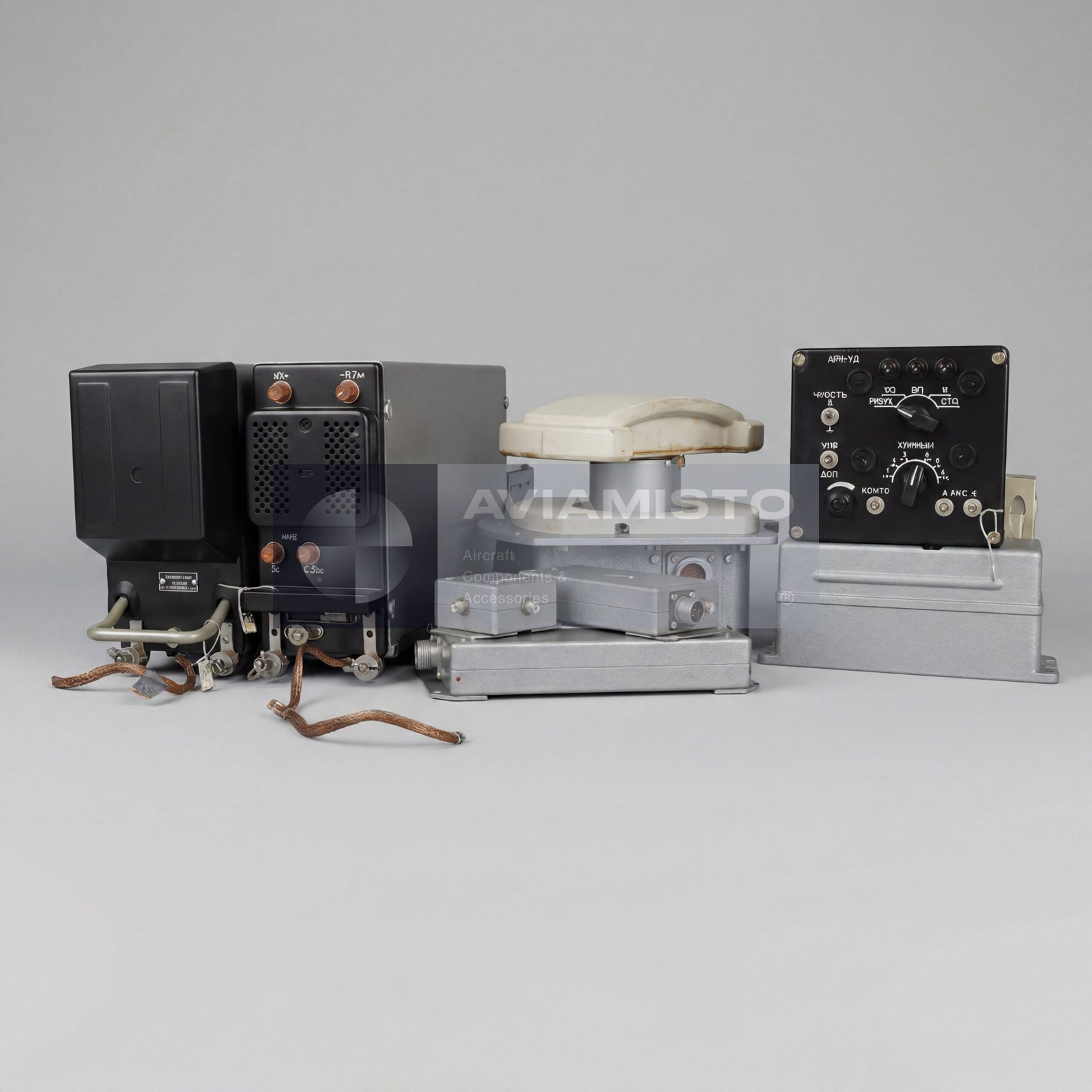
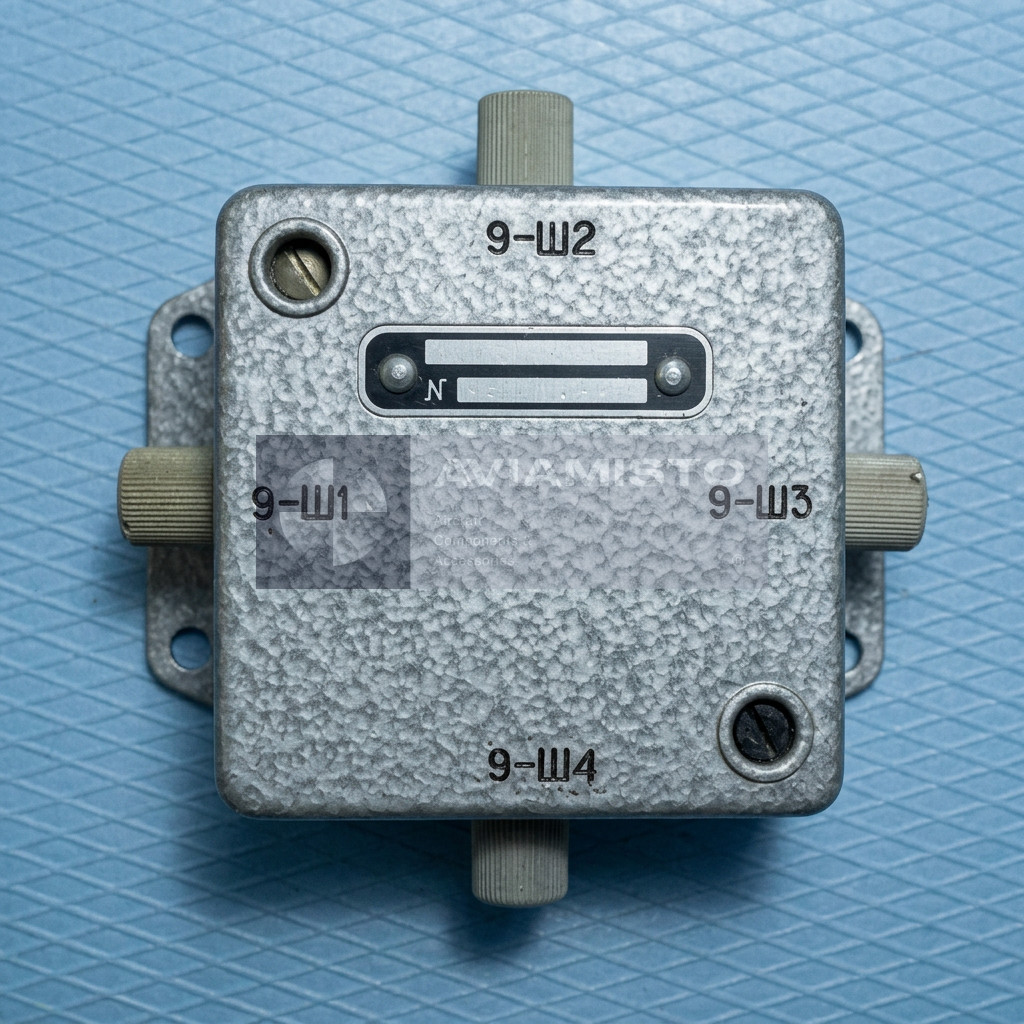
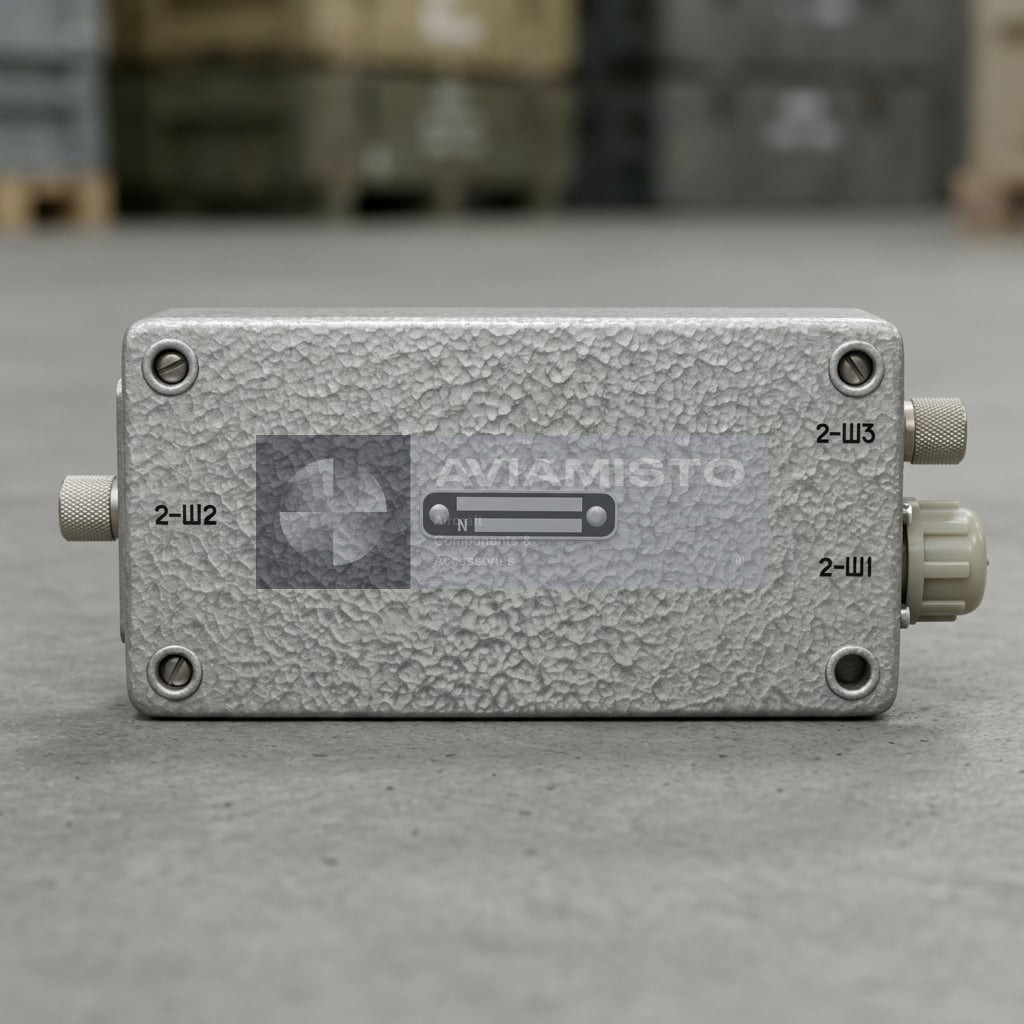
The ARK-UD is a distributed aircraft radio system, not a single cockpit instrument. The antenna block and antenna amplifier are installed in the lower fuselage area. The receiving and direction-finding equipment includes the receiver unit, direction-finder unit, built-in test generator and distribution box, usually installed on an equipment rack. The control panel is placed on the navigator’s instrument panel or in the cockpit area depending on aircraft layout. A switching box is installed in the radio compartment, and a mechanical transition unit is used to connect the radio compass with the course indicator.

Aircraft application and supply of ARK-UD

ARK-UD equipment is used on search aircraft and helicopters, including platforms such as An-26, Mi-8, Mi-24 and Mi-26 depending on configuration. In these aircraft, it works as part of the search-navigation equipment set and can be connected to common course or radio-magnetic indicators. For procurement, it is important to define whether the requirement is for a complete set or only for a separate block: control panel, antenna unit, receiver / direction-finder unit, switching box, built-in test generator, amplifier or mechanical transition unit. Completeness and documentation should be checked before shipment.

Details

Product Type: Airborne search and rescue automatic direction finder / radio compass
Designation: ARK-UD
Function: Automatic homing on VHF and UHF emergency radio beacons; bearing indication and signal identification
Application / Where Used: Search and rescue aircraft and helicopter navigation systems
System / Installation Area: Radio-navigation and search equipment; lower fuselage antenna area; cockpit / navigator control panel; radio equipment compartment
Compatible Aircraft / Equipment: An-26, Mi-8, Mi-24, Mi-26 and other aircraft depending on configuration
Beacon Types: Continuous-emission and pulse-emission emergency radio beacons
Main Operating Function: Circular automatic course indication and homing on radio beacons / radio stations
Overflight Indication: Course indicator change by 180° when passing over the beacon
Signal Identification: Audio monitoring of beacon / radio station signals by the crew
Operating Modes: Narrow-band mode, wide-band mode, pulse mode, RPK radio semi-compass mode depending on aircraft installation
Control Panel Positions: OFF, UP, ShP, I, RPK
VHF Operating Frequencies: 114.116; 114.133; 114.583; 121.5; 123.1; 124.1 MHz
VHF Channels: Channels 1–6 on the control panel in VHF mode
UHF / DCV Operating Frequency: 243.0 MHz
UHF / DCV Channel: Channel 1 in DCV mode
Homing Range at 3000 m Flight Altitude: Not less than 40 km
Search Helicopter Positioning Accuracy at 1000 m Altitude: Not more than ±200 m
Limit Sensitivity in Continuous Mode: Not worse than 25 µV/m
Limit Sensitivity in Pulse Mode: Not worse than 75 µV/m
Set Weight: 18.4 kg
Main Set Components: Antenna block, antenna amplifier, receiver unit, direction-finder unit, built-in test generator, distribution box, control panel, switching box, mechanical transition unit depending on supply configuration
Technical Documentation: Product passport, operating documentation, aircraft installation documentation and test documentation as applicable

Payment & delivery

All shipments are carried out from our international warehouse in Dubai (UAE), as well as from our partners’ remote warehouses.

In Stock — items available in stock at the Dubai warehouse are dispatched within 5–10 business days after receiving 100% prepayment.

Remote Stock — items available at our partners’ remote warehouses are supplied within an average of 30–45 business days after receiving 100% prepayment.

Pre-Order — made-to-order products are manufactured and delivered within an average of 45–60 business days. Payment terms: 50% advance payment to start production, with the remaining 50% paid before dispatch from the Dubai warehouse after full readiness for shipment.

Returns & Changes (Restocking Fee)
For selected items, a RESTOCKING FEE of 10% may apply in case of return, order cancellation, or changes to the order specifications. This condition applies only to certain products and is confirmed at the order approval stage.

Warranty
All products are covered by a standard 6-month warranty.
Extended warranty is available upon request and is agreed individually; it may affect the final product price.

  • Description
  • Details
  • Payment & delivery

ARK-UD radio compass for search and rescue operations

The ARK-UD is an airborne automatic direction finder designed for search and rescue missions. Unlike standard navigation radio compasses used mainly for route navigation and approach to aerodrome beacons, ARK-UD is focused on locating emergency radio beacons and radio transmitters carried by crews, aircraft, rescue objects or other targets requiring search. The system operates in VHF and UHF bands and provides bearing information that allows the aircraft or helicopter to home in on the active beacon. In practice, this equipment is used when the crew needs not only to receive a signal, but also to determine where the source is located.

ARK-UD homing on emergency beacons

The main task of ARK-UD is to guide the search aircraft or helicopter toward a radio beacon using automatic bearing indication. The system provides continuous circular direction indication and allows the crew to fly toward transmitters operating with quartz frequency stabilization. When the aircraft passes over the beacon, the course indication changes by 180 degrees, giving the crew a clear sign that the source has been overflown. This function is important in rescue work because the aircraft may need to narrow the search area quickly and confirm the exact location of the emergency transmitter.

Signal identification through the ARK-UD system

ARK-UD is not limited to blind bearing indication. The crew can identify the operating beacon or radio station by listening to its signal in the headset. This is necessary because in a search area there may be several signals, interference sources, or transmitters operating on nearby channels. Audio identification helps confirm that the aircraft is being guided to the correct source. Depending on the aircraft installation, received signal information and bearing data may be displayed through common cockpit navigation indicators, while sound indication is provided through the onboard communication / headset system.

Operating modes of ARK-UD

The ARK-UD has several operating modes for different beacon signal types. Wide-band mode is used for continuous-emission beacons where wider reception is needed. Narrow-band mode is used for continuous-emission beacons when a more selective reception channel is required. Pulse mode is intended for impulse-type radio beacons. The control panel also includes an RPK mode, described as a radio semi-compass mode for indicating the side of the radio station relative to the aircraft longitudinal axis, although this mode may not be used on certain aircraft installations.

ARK-UD frequency channels and beacon types

The ARK-UD operates on fixed VHF channels and a UHF channel used for emergency and search radio systems. The VHF channel set includes frequencies used by aviation rescue and beacon equipment, while the UHF channel covers the 243.0 MHz emergency frequency. This channel structure makes the system suitable for working with both continuous and pulsed emergency transmitters. For a crew performing a search task, this is more practical than a general-purpose receiver, because the channels and operating modes are organized around the signals expected from emergency beacons.

Equipment set and aircraft installation of ARK-UD

The ARK-UD is a distributed aircraft radio system, not a single cockpit instrument. The antenna block and antenna amplifier are installed in the lower fuselage area. The receiving and direction-finding equipment includes the receiver unit, direction-finder unit, built-in test generator and distribution box, usually installed on an equipment rack. The control panel is placed on the navigator’s instrument panel or in the cockpit area depending on aircraft layout. A switching box is installed in the radio compartment, and a mechanical transition unit is used to connect the radio compass with the course indicator.

Aircraft application and supply of ARK-UD

ARK-UD equipment is used on search aircraft and helicopters, including platforms such as An-26, Mi-8, Mi-24 and Mi-26 depending on configuration. In these aircraft, it works as part of the search-navigation equipment set and can be connected to common course or radio-magnetic indicators. For procurement, it is important to define whether the requirement is for a complete set or only for a separate block: control panel, antenna unit, receiver / direction-finder unit, switching box, built-in test generator, amplifier or mechanical transition unit. Completeness and documentation should be checked before shipment.

Product Type: Airborne search and rescue automatic direction finder / radio compass
Designation: ARK-UD
Function: Automatic homing on VHF and UHF emergency radio beacons; bearing indication and signal identification
Application / Where Used: Search and rescue aircraft and helicopter navigation systems
System / Installation Area: Radio-navigation and search equipment; lower fuselage antenna area; cockpit / navigator control panel; radio equipment compartment
Compatible Aircraft / Equipment: An-26, Mi-8, Mi-24, Mi-26 and other aircraft depending on configuration
Beacon Types: Continuous-emission and pulse-emission emergency radio beacons
Main Operating Function: Circular automatic course indication and homing on radio beacons / radio stations
Overflight Indication: Course indicator change by 180° when passing over the beacon
Signal Identification: Audio monitoring of beacon / radio station signals by the crew
Operating Modes: Narrow-band mode, wide-band mode, pulse mode, RPK radio semi-compass mode depending on aircraft installation
Control Panel Positions: OFF, UP, ShP, I, RPK
VHF Operating Frequencies: 114.116; 114.133; 114.583; 121.5; 123.1; 124.1 MHz
VHF Channels: Channels 1–6 on the control panel in VHF mode
UHF / DCV Operating Frequency: 243.0 MHz
UHF / DCV Channel: Channel 1 in DCV mode
Homing Range at 3000 m Flight Altitude: Not less than 40 km
Search Helicopter Positioning Accuracy at 1000 m Altitude: Not more than ±200 m
Limit Sensitivity in Continuous Mode: Not worse than 25 µV/m
Limit Sensitivity in Pulse Mode: Not worse than 75 µV/m
Set Weight: 18.4 kg
Main Set Components: Antenna block, antenna amplifier, receiver unit, direction-finder unit, built-in test generator, distribution box, control panel, switching box, mechanical transition unit depending on supply configuration
Technical Documentation: Product passport, operating documentation, aircraft installation documentation and test documentation as applicable

All shipments are carried out from our international warehouse in Dubai (UAE), as well as from our partners’ remote warehouses.

In Stock — items available in stock at the Dubai warehouse are dispatched within 5–10 business days after receiving 100% prepayment.

Remote Stock — items available at our partners’ remote warehouses are supplied within an average of 30–45 business days after receiving 100% prepayment.

Pre-Order — made-to-order products are manufactured and delivered within an average of 45–60 business days. Payment terms: 50% advance payment to start production, with the remaining 50% paid before dispatch from the Dubai warehouse after full readiness for shipment.

Returns & Changes (Restocking Fee)
For selected items, a RESTOCKING FEE of 10% may apply in case of return, order cancellation, or changes to the order specifications. This condition applies only to certain products and is confirmed at the order approval stage.

Warranty
All products are covered by a standard 6-month warranty.
Extended warranty is available upon request and is agreed individually; it may affect the final product price.

Didn’t find the parts you need? Contact us — we will assist in sourcing them.

Send your request — we will provide availability, lead time, pricing, and delivery details.
Share