
NR-3VMA
Fuel Pump-Regulator

Description
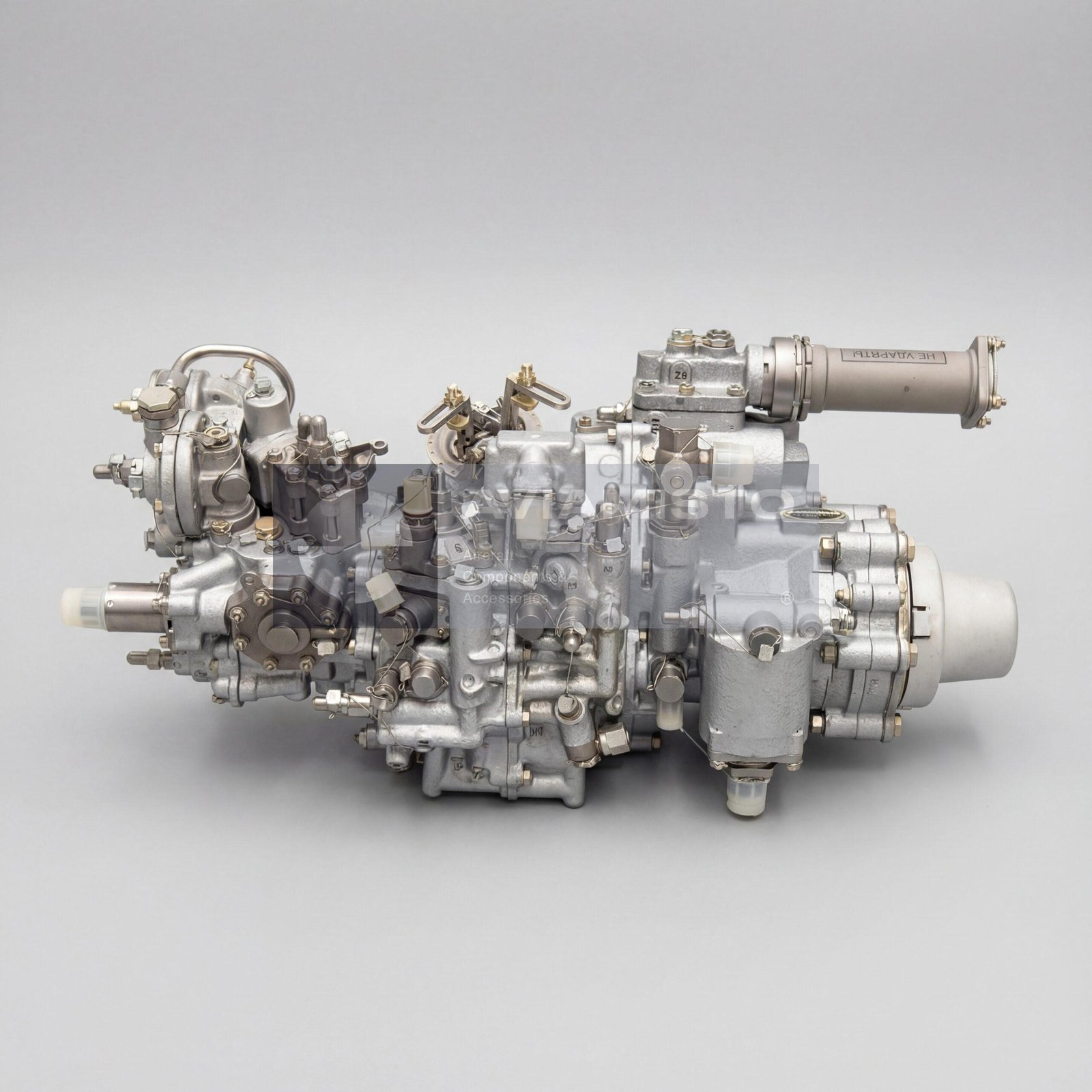
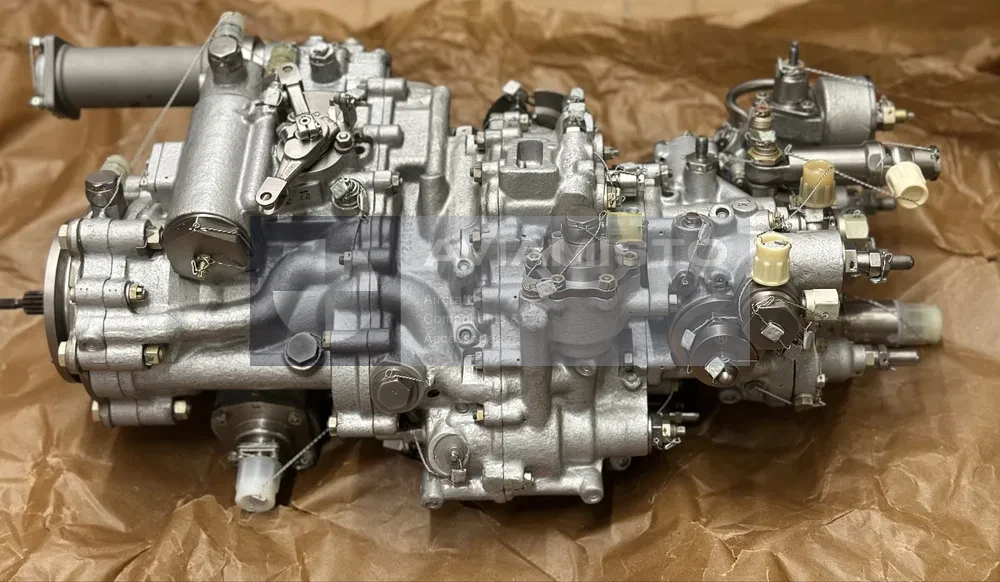
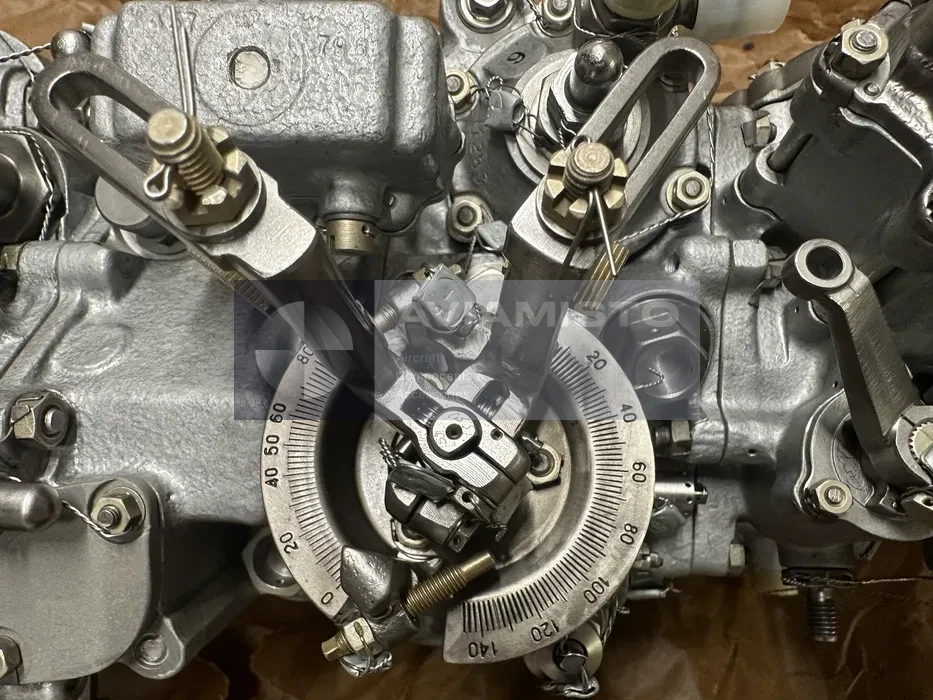
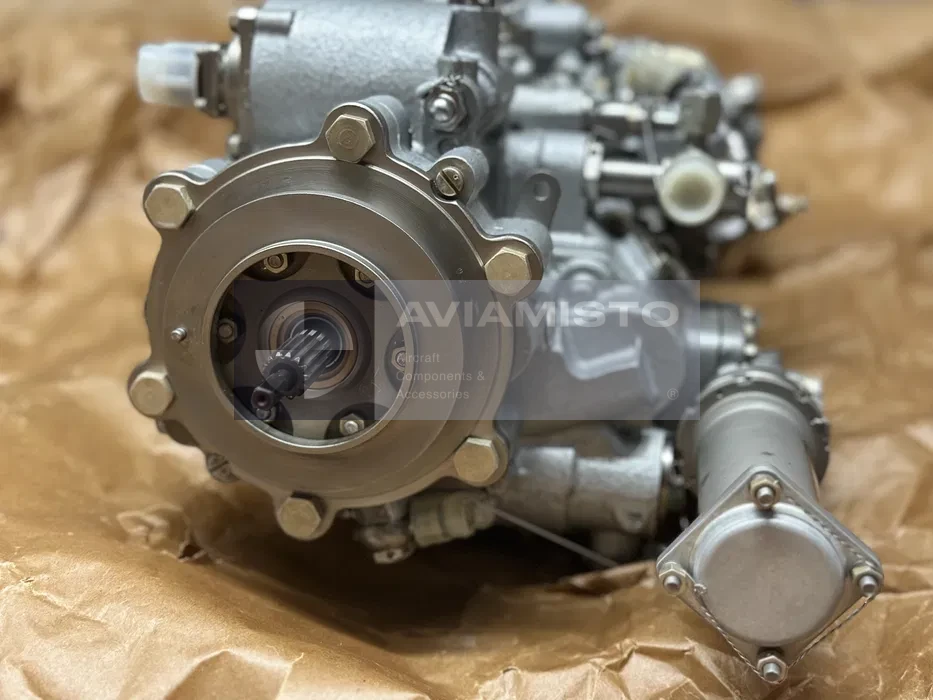
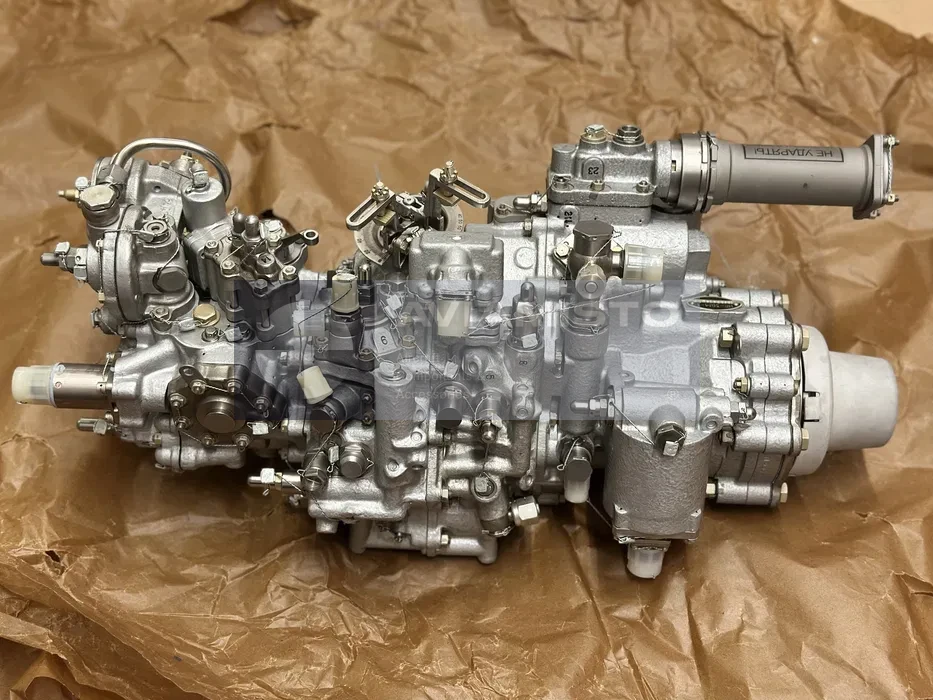
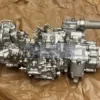
NR-3VMA fuel control pump on TV3-117VMA engines
The NR-3VMA is an aircraft fuel control pump used on TV3-117VMA turboshaft engines. It is installed on the engine accessory gearbox and works as one of the main hydromechanical units of the fuel control system. The unit receives fuel from the helicopter fuel system, raises pressure, meters the required amount and sends it further to the combustion chamber through the fuel manifold and nozzles. In service, the NR-3VMA is treated as an engine control aggregate, not just as a fuel pump, because it directly affects start-up, acceleration, steady power and engine shutdown behavior.
Full descriptionCollapse description
Fuel metering by the NR-3VMA during engine operation
The NR-3VMA meters fuel through the full operating range of the engine. During start-up, it supplies fuel according to the required schedule so that ignition and acceleration develop normally. When the pilot changes engine power, the pump-regulator changes fuel delivery without allowing excessive temperature rise, compressor instability or loss of power response. On steady modes, it keeps fuel flow matched to the required engine condition. A worn or incorrectly adjusted unit can cause difficult start, slow acceleration, unstable power, incorrect limitation or uneven engine behavior during transition between modes.
NR-3VMA in the TV3-117VMA automatic control system
The NR-3VMA is part of the automatic control system of the TV3-117VMA engine. It works with mechanical input from the engine control lever, hydraulic fuel pressure, and electrical correction signals from related control units. The pump-regulator participates in limiting turbocompressor speed, controlling free turbine speed and protecting the engine from exceeding permitted operating parameters. On twin-engine helicopters, the system also supports power matching between the left and right engines, which is important because both engines work through a common transmission and rotor system.
Interaction of NR-3VMA with ERD-3VMA and sensors
In the engine control architecture, the NR-3VMA works together with the ERD-3VMA electronic engine regulator and related sensors. The electronic regulator receives engine parameter signals and sends correction commands to the actuator elements of the pump-regulator. Speed sensors, temperature limiting devices and fuel pressure elements can also be involved in the control logic. Because of this, an engine control problem should not be diagnosed by the pump alone. The final cause may be in the fuel control pump, ERD unit, actuator, wiring, sensor feedback, fuel filtration or adjustment after overhaul.
Fuel path and engine components connected to NR-3VMA
Fuel is supplied to the inlet of the NR-3VMA by the booster side of the helicopter fuel system, normally through a centrifugal booster pump and fine fuel filtration. After metering, the fuel goes to the engine fuel manifold and working nozzles. The unit is also connected with the stop circuit through solenoid valves and drainage elements. After engine shutdown, residual fuel may be removed from certain lines through the drainage system. Since the NR-3VMA contains precision hydraulic and metering sections, fuel cleanliness and correct preservation are critical for reliable operation.
NR-3VMA control of compressor guide vanes
The NR-3VMA also uses fuel pressure as a hydraulic control medium for engine mechanization. Through related actuators, it participates in control of the inlet guide vanes and compressor guide vanes. This is needed to keep the compressor stable during start-up, acceleration, deceleration and changes in engine load. The pump-regulator therefore belongs to both the fuel system and the engine control system. Its work affects not only the amount of fuel entering the combustion chamber, but also the position of engine control mechanisms that shape airflow through the compressor.
Helicopter application of the NR-3VMA unit
The NR-3VMA and NR-3VMA-T are used with TV3-117VMA engines installed on Mi and Ka helicopter platforms. Typical applications include Mi-8, Mi-17, Mi-24 and related versions, as well as Ka-27, Ka-32 and Ka-50 family installations depending on engine version and aircraft configuration. The exact applicability must be checked by the engine logbook, aircraft parts catalog and maintenance documentation. Similar NR-series pump-regulators can differ by execution, adjustment settings, associated electronic regulator and installation details, so designation matching is not enough on its own.
Supply, inspection and documentation of NR-3VMA
For procurement or replacement, the full designation NR-3VMA or NR-3VMA-T should be specified. The unit may be supplied as new production, from storage, after repair or after overhaul, depending on availability and documentation. Before installation, the drive shaft, mounting flange, control levers, fuel fittings, electrical connectors, sealing plugs, preservation condition and documentation should be checked. For this type of aggregate, a clean exterior is not proof of serviceability. Passport data, overhaul records and bench-test results are especially important, because the unit must meet regulated fuel-flow and adjustment parameters.
Technical details
- Product Type
- Aircraft fuel control pump / pump-regulator
- Designation
- NR-3VMA
- Modification
- NR-3VMA-T, depending on required execution
- Function
- Fuel pumping, metering and automatic regulation in TV3-117VMA engine fuel systems
- Application / Where Used
- Fuel system and automatic control system of TV3-117VMA engines
All specificationsCollapse specifications
- System / Installation Area
- Engine accessory gearbox; hydromechanical fuel control system
- Compatible Engines
- TV3-117VMA and related modifications
- Compatible Aircraft / Equipment
- Mi-8, Mi-17, Mi-24, Ka-27, Ka-32, Ka-50 and related helicopter platforms depending on engine installation
- Working Medium
- Aviation kerosene
- Approved Fuel Grades
- T-1, TS-1, RT, T-5, VT depending on applicable documentation
- Nominal Fuel Pressure
- 6 MPa / 60 kgf/cm²
- Maximum Fuel Flow
- Up to 540 kg/h
- Fuel Inlet Pressure During Start
- 0.4–1.2 kgf/cm²
- Fuel Inlet Pressure in Operating Modes
- Up to 2.8 kgf/cm²
- Maximum PTK Drive Speed
- 4100 rpm
- Ambient Temperature Range
- −60 to +100 °C
- Main Operating Functions
- Fuel metering during start-up, acceleration, steady modes and deceleration
- Regulating Functions
- Control of turbocompressor speed and free turbine speed
- Compressor Control Function
- Control of inlet guide vanes and compressor guide vanes through fuel-hydraulic actuation
- Reserve / Limiting Function
- Maximum fuel-flow limitation at take-off mode in case of electronic regulator failure
- Associated Electronic Regulator
- ERD-3VMA
- Associated Speed Sensor
- Engine speed sensor / DChV depending on configuration
- Associated Booster Pump
- DTsN-type centrifugal booster pump
- Associated Stop Circuit
- Solenoid stop valves of MKT type depending on system configuration
- Associated Fuel System Elements
- Fine fuel filter, fuel manifold, working nozzles, drainage valve block
- Pilot Control Interface
- Engine control lever linkage and collective-pitch / throttle coordination mechanism depending on helicopter configuration
- Dry Weight
- Approx. 27 kg
- Technical Documentation
- Product passport, bench-test documents, repair / overhaul records and engine maintenance documentation as applicable
Payment & delivery
Orders ship from our hub in Dubai. Partner stock is first transferred to Dubai, then shipped to you.
Dubai stock: 100% before dispatch. Partner stock (Remote stock) and Pre-order: 50% advance payment to start the order and 50% before shipment from Dubai to you.
Availability, lead time, delivery cost and payment terms are confirmed for your order before payment.
Payment & delivery terms