switching unit
Price on request
switching unit
Partner Stock
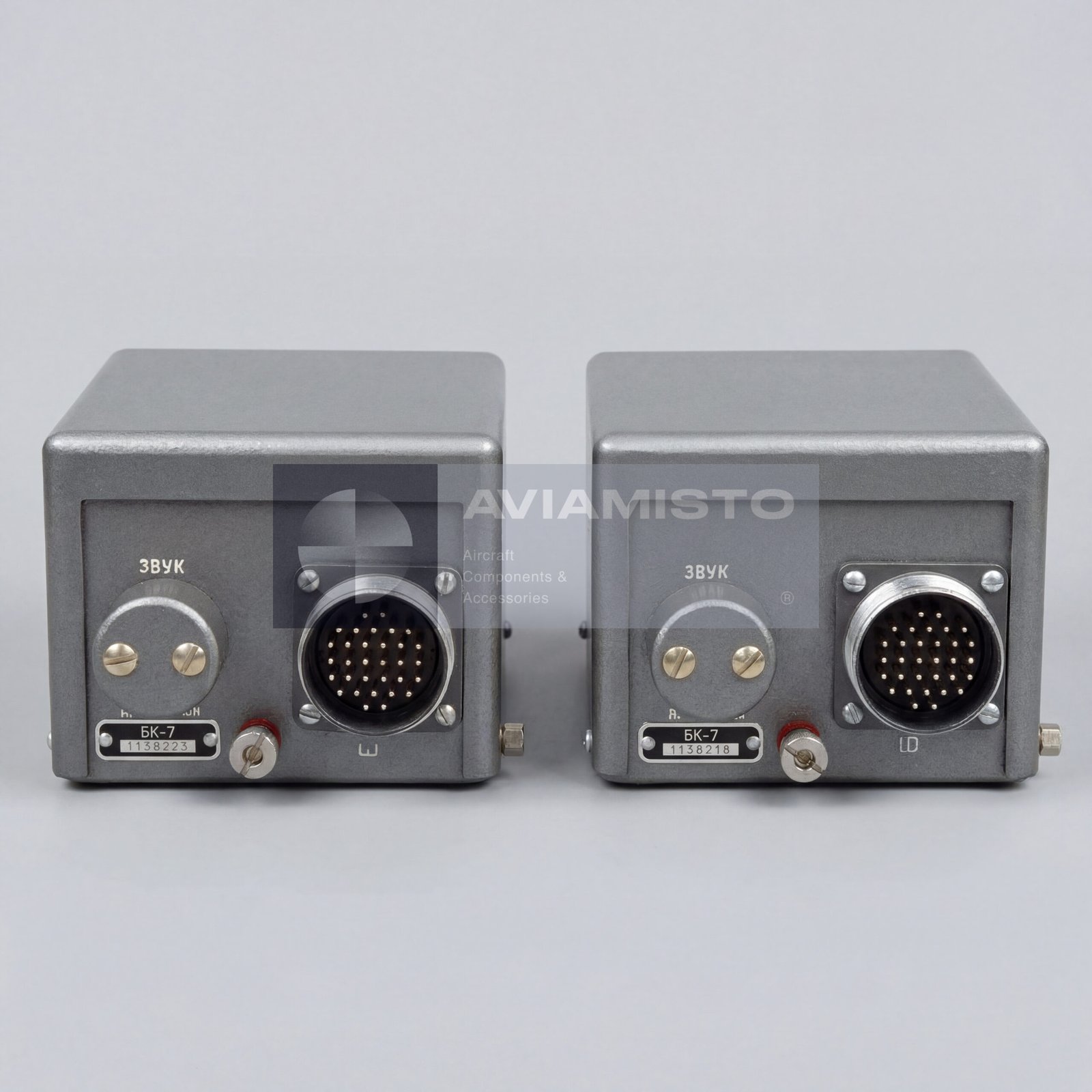
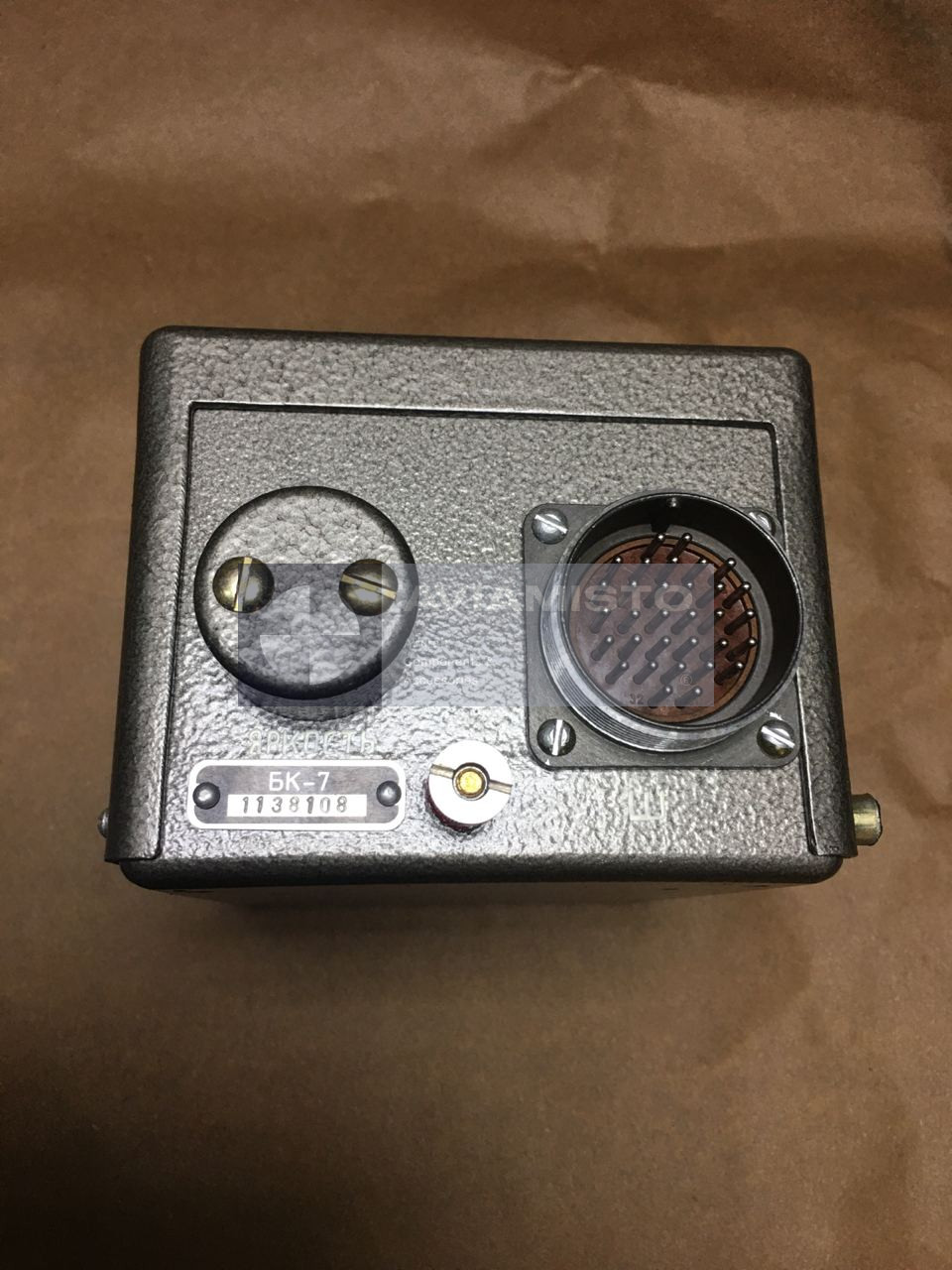
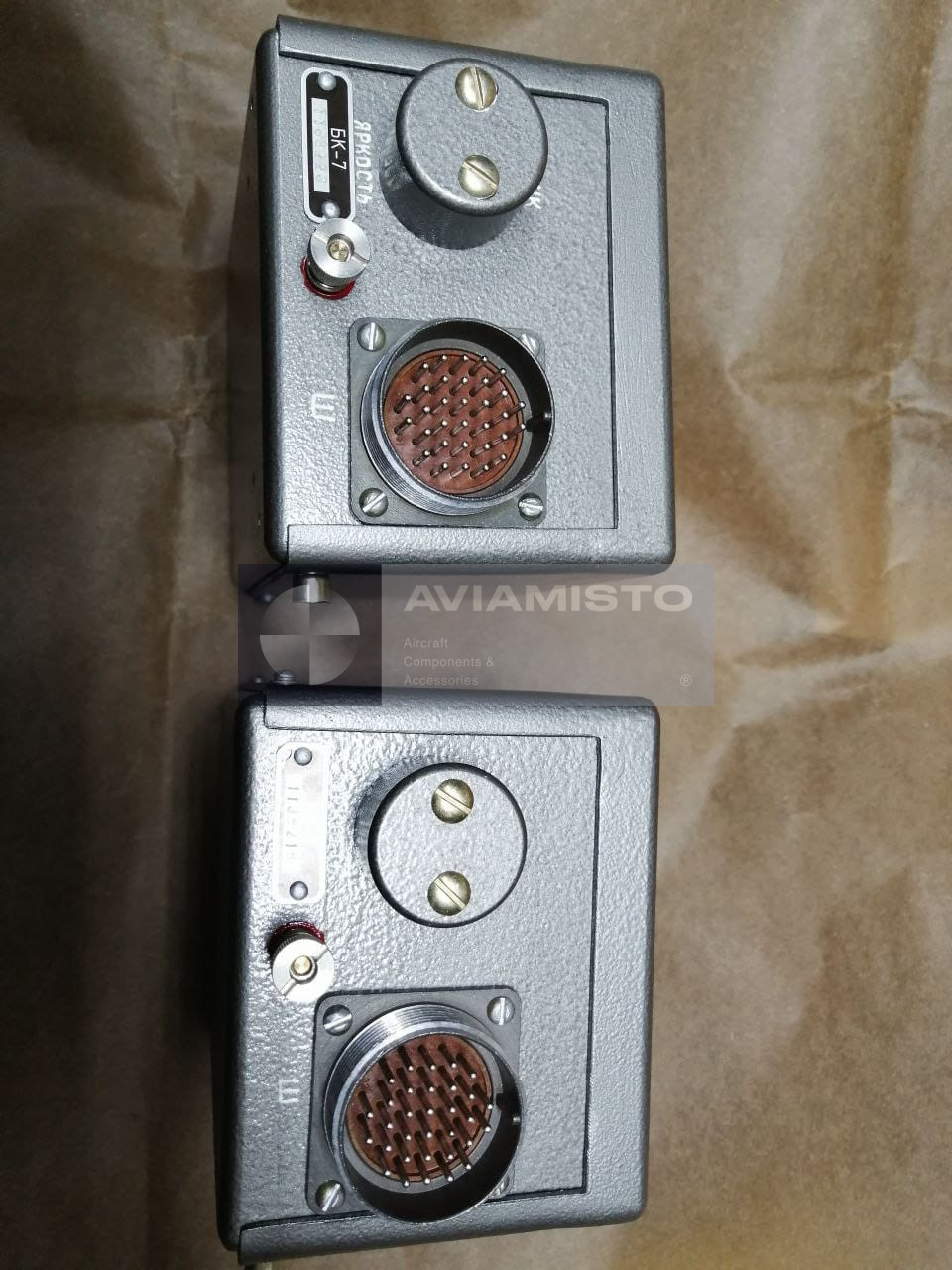
The BK-7 is an aircraft switching and signal routing unit used as part of the SAS-4-9 emergency, caution and advisory annunciation system. Its main role is to route, distribute and transfer discrete signals between aircraft sensors, control blocks and cockpit annunciators. In the system architecture, the BK-7 helps organize incoming signal information and direct it to the correct warning and indication circuits, allowing the flight crew to receive clear visual and audio alerts from monitored onboard systems.
The BK-7 receives discrete signals from onboard equipment, relay circuits and monitored aircraft systems. These signals are then sorted and switched according to the SAS-4-9 system logic. The unit does not work as a standalone warning device; it is a switching and routing element that connects system inputs with the correct output paths. This makes the BK-7 important for proper signal distribution inside the warning system, especially where multiple alert categories and cockpit indication channels must be coordinated.
The BK-7 works together with the BAP-1 emergency and caution warning unit and the BU-1 advisory unit. These units form a complete aircraft alerting and notification loop for the flight crew. The BAP-1 processes emergency and caution signals, the BU-1 handles advisory information, and the BK-7 supports switching and distribution between the connected circuits. If the BK-7 is not operating correctly, the signal may not reach the intended annunciator, flashing circuit or audio alert line, even if the original sensor signal is present.
In addition to switching discrete signals, the BK-7 generates system operating modes used by the cockpit alerting equipment. These include pulsed light operation, flashing regimes and control of the cockpit audio alert circuit at the specified output frequency. The unit supports “Stable” and “Flash II” pulse generator modes, which are used to create the required warning behavior at annunciator panels. Correct frequency output is important because the crew must be able to distinguish alert states quickly and consistently.
The BK-7 operates from the aircraft DC power system with a normal supply range of 24–29.4 V. It also remains functional when voltage drops down to 18 V, which is important during degraded or emergency electrical conditions. The unit is designed for continuous duty in the aircraft avionics environment. Stable power, reliable grounding, correct connector condition and clean wiring interfaces are necessary for proper switching, pulse generation and audio alert operation throughout the flight.
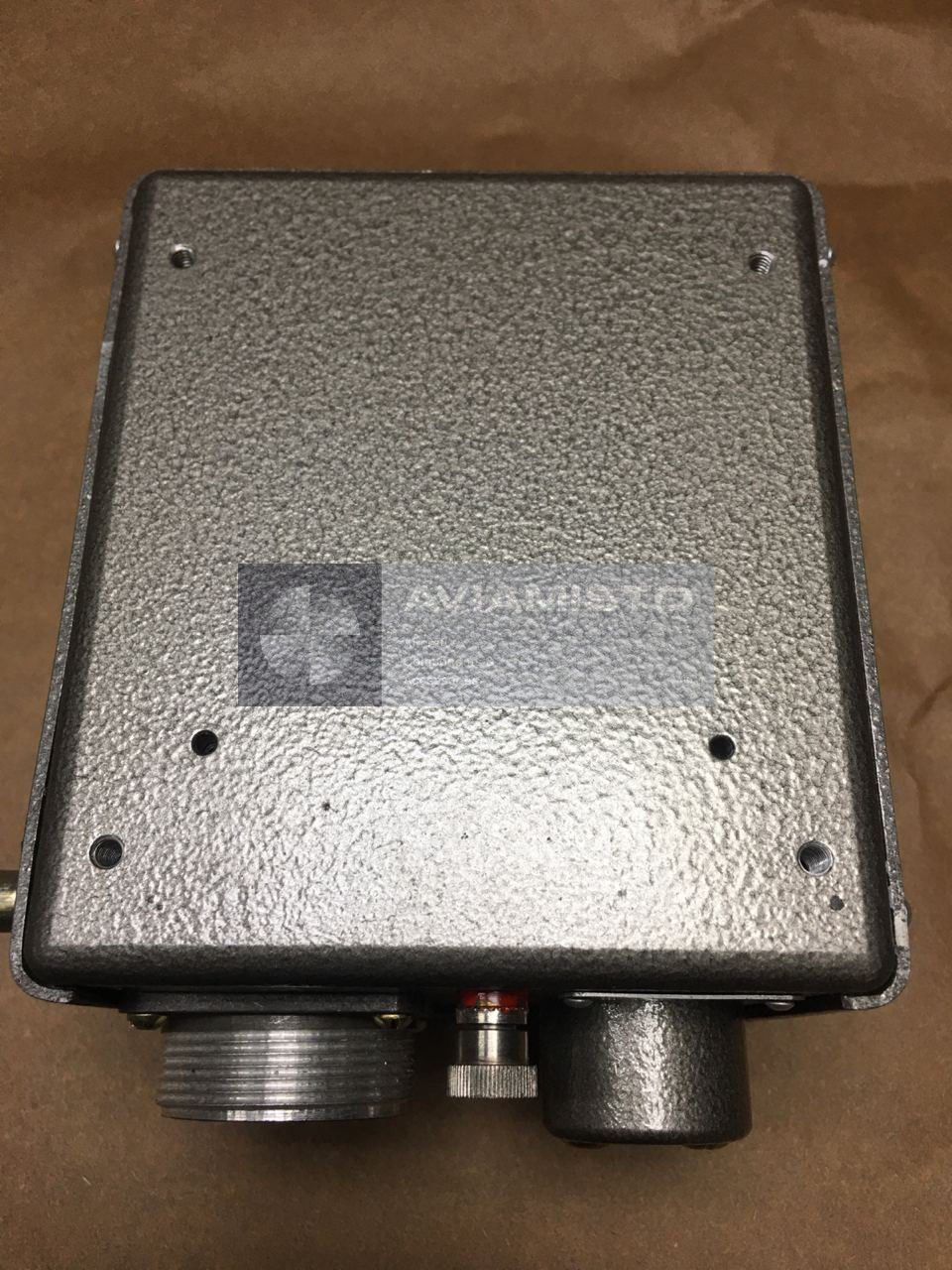
The BK-7 is intended for installation in an avionics frame or rack as part of the SAS-4-9 equipment set. Depending on configuration, the unit may be supplied with a mounting frame. This should be checked during procurement because aircraft rack installation depends on both the electrical connector interface and the mechanical mounting arrangement. Before replacement, technicians should verify the unit designation, frame availability, connector condition, installation position and compatibility with the existing SAS-4-9 system layout.
The BK-7 is built for operation in demanding aircraft conditions, including vibration, wide temperature variation, high humidity and low barometric pressure. It is specified for operation from −60 °C to +60 °C, relative humidity up to 100% at +35 °C, and barometric pressure endurance up to 6.7 kPa. These parameters are important for aircraft operating across different climates and flight profiles. During inspection, attention should be paid to corrosion, connector condition, sealing, storage condition and mechanical integrity.
For procurement, the full designation BK-7 should be specified together with required condition, mounting frame requirement and documentation. The unit may be supplied as serviceable, from storage, repaired or in another agreed condition. For aircraft installation, passport 632.068.013 PS and the SAS-4 system passport are important for confirming identification, acceptance, configuration and traceability. Since the BK-7 contains precious and non-ferrous materials, metal content data may also be required for warehouse, customs, repair or disposal records.
Product Type: Switching and signal routing unit
Designation: BK-7
Alternative Designation: БК-7
Function: Signal switching, routing and distribution within SAS-4-9
Application / Where Used: Aircraft emergency, caution and advisory annunciation systems
System / Installation Area: SAS-4-9 emergency / caution / advisory alerting system
Compatible Aircraft / Equipment: Yak-42, Il-86 and structurally compatible aircraft equipped with SAS-4-9
Associated Units: BAP-1 emergency and caution unit; BU-1 advisory unit
Input Signal Type: Discrete signals from onboard equipment, sensors and relay circuits
Output Function: Routed signals to annunciators, warning circuits, pulse / flashing modes and cockpit audio alert circuit
Power Supply, Normal: 24–29.4 V DC
Power Supply, Emergency: Down to 18 V
Current Draw: Up to 0.5 A
Input Resistance: 300–550 Ohm
Pulse Generator Output, “Stable” Mode: 5.6–10.2 Hz
Pulse Generator Output, “Flash II” Mode: 2.6–3.2 Hz
Audio Output Frequency: 2000 Hz ±20%
Operating Temperature Range: −60 °C to +60 °C
Relative Humidity: Up to 100% at +35 °C
Barometric Pressure Endurance: Up to 6.7 kPa
Installation: Avionics frame / rack mounting
Weight: 2.1–2.15 kg
Package Contents: Mounting frame when applicable
Condition: As applicable
Material Content: Gold 0.364 g; silver 81.16 g; palladium 0.159 g; aluminum 0.7 kg
Technical Documentation: Passport 632.068.013 PS; SAS-4 system passport
All shipments are carried out from our international warehouse in Dubai (UAE), as well as from our partners’ remote warehouses.
In Stock — items available in stock at the Dubai warehouse are dispatched within 5–10 business days after receiving 100% prepayment.
Remote Stock — items available at our partners’ remote warehouses are supplied within an average of 30–45 business days after receiving 100% prepayment.
Pre-Order — made-to-order products are manufactured and delivered within an average of 45–60 business days. Payment terms: 50% advance payment to start production, with the remaining 50% paid before dispatch from the Dubai warehouse after full readiness for shipment.
Returns & Changes (Restocking Fee)
For selected items, a RESTOCKING FEE of 10% may apply in case of return, order cancellation, or changes to the order specifications. This condition applies only to certain products and is confirmed at the order approval stage.
Warranty
All products are covered by a standard 6-month warranty.
Extended warranty is available upon request and is agreed individually; it may affect the final product price.
The BK-7 is an aircraft switching and signal routing unit used as part of the SAS-4-9 emergency, caution and advisory annunciation system. Its main role is to route, distribute and transfer discrete signals between aircraft sensors, control blocks and cockpit annunciators. In the system architecture, the BK-7 helps organize incoming signal information and direct it to the correct warning and indication circuits, allowing the flight crew to receive clear visual and audio alerts from monitored onboard systems.
The BK-7 receives discrete signals from onboard equipment, relay circuits and monitored aircraft systems. These signals are then sorted and switched according to the SAS-4-9 system logic. The unit does not work as a standalone warning device; it is a switching and routing element that connects system inputs with the correct output paths. This makes the BK-7 important for proper signal distribution inside the warning system, especially where multiple alert categories and cockpit indication channels must be coordinated.
The BK-7 works together with the BAP-1 emergency and caution warning unit and the BU-1 advisory unit. These units form a complete aircraft alerting and notification loop for the flight crew. The BAP-1 processes emergency and caution signals, the BU-1 handles advisory information, and the BK-7 supports switching and distribution between the connected circuits. If the BK-7 is not operating correctly, the signal may not reach the intended annunciator, flashing circuit or audio alert line, even if the original sensor signal is present.
In addition to switching discrete signals, the BK-7 generates system operating modes used by the cockpit alerting equipment. These include pulsed light operation, flashing regimes and control of the cockpit audio alert circuit at the specified output frequency. The unit supports “Stable” and “Flash II” pulse generator modes, which are used to create the required warning behavior at annunciator panels. Correct frequency output is important because the crew must be able to distinguish alert states quickly and consistently.
The BK-7 operates from the aircraft DC power system with a normal supply range of 24–29.4 V. It also remains functional when voltage drops down to 18 V, which is important during degraded or emergency electrical conditions. The unit is designed for continuous duty in the aircraft avionics environment. Stable power, reliable grounding, correct connector condition and clean wiring interfaces are necessary for proper switching, pulse generation and audio alert operation throughout the flight.
The BK-7 is intended for installation in an avionics frame or rack as part of the SAS-4-9 equipment set. Depending on configuration, the unit may be supplied with a mounting frame. This should be checked during procurement because aircraft rack installation depends on both the electrical connector interface and the mechanical mounting arrangement. Before replacement, technicians should verify the unit designation, frame availability, connector condition, installation position and compatibility with the existing SAS-4-9 system layout.
The BK-7 is built for operation in demanding aircraft conditions, including vibration, wide temperature variation, high humidity and low barometric pressure. It is specified for operation from −60 °C to +60 °C, relative humidity up to 100% at +35 °C, and barometric pressure endurance up to 6.7 kPa. These parameters are important for aircraft operating across different climates and flight profiles. During inspection, attention should be paid to corrosion, connector condition, sealing, storage condition and mechanical integrity.
For procurement, the full designation BK-7 should be specified together with required condition, mounting frame requirement and documentation. The unit may be supplied as serviceable, from storage, repaired or in another agreed condition. For aircraft installation, passport 632.068.013 PS and the SAS-4 system passport are important for confirming identification, acceptance, configuration and traceability. Since the BK-7 contains precious and non-ferrous materials, metal content data may also be required for warehouse, customs, repair or disposal records.
Product Type: Switching and signal routing unit
Designation: BK-7
Alternative Designation: БК-7
Function: Signal switching, routing and distribution within SAS-4-9
Application / Where Used: Aircraft emergency, caution and advisory annunciation systems
System / Installation Area: SAS-4-9 emergency / caution / advisory alerting system
Compatible Aircraft / Equipment: Yak-42, Il-86 and structurally compatible aircraft equipped with SAS-4-9
Associated Units: BAP-1 emergency and caution unit; BU-1 advisory unit
Input Signal Type: Discrete signals from onboard equipment, sensors and relay circuits
Output Function: Routed signals to annunciators, warning circuits, pulse / flashing modes and cockpit audio alert circuit
Power Supply, Normal: 24–29.4 V DC
Power Supply, Emergency: Down to 18 V
Current Draw: Up to 0.5 A
Input Resistance: 300–550 Ohm
Pulse Generator Output, “Stable” Mode: 5.6–10.2 Hz
Pulse Generator Output, “Flash II” Mode: 2.6–3.2 Hz
Audio Output Frequency: 2000 Hz ±20%
Operating Temperature Range: −60 °C to +60 °C
Relative Humidity: Up to 100% at +35 °C
Barometric Pressure Endurance: Up to 6.7 kPa
Installation: Avionics frame / rack mounting
Weight: 2.1–2.15 kg
Package Contents: Mounting frame when applicable
Condition: As applicable
Material Content: Gold 0.364 g; silver 81.16 g; palladium 0.159 g; aluminum 0.7 kg
Technical Documentation: Passport 632.068.013 PS; SAS-4 system passport
All shipments are carried out from our international warehouse in Dubai (UAE), as well as from our partners’ remote warehouses.
In Stock — items available in stock at the Dubai warehouse are dispatched within 5–10 business days after receiving 100% prepayment.
Remote Stock — items available at our partners’ remote warehouses are supplied within an average of 30–45 business days after receiving 100% prepayment.
Pre-Order — made-to-order products are manufactured and delivered within an average of 45–60 business days. Payment terms: 50% advance payment to start production, with the remaining 50% paid before dispatch from the Dubai warehouse after full readiness for shipment.
Returns & Changes (Restocking Fee)
For selected items, a RESTOCKING FEE of 10% may apply in case of return, order cancellation, or changes to the order specifications. This condition applies only to certain products and is confirmed at the order approval stage.
Warranty
All products are covered by a standard 6-month warranty.
Extended warranty is available upon request and is agreed individually; it may affect the final product price.