emergency alarm system
Price on request
emergency alarm system
Partner Stock
The SAS-4-9 is an onboard aircraft emergency, warning and advisory annunciation system used to alert the flight crew about failures, abnormal operating modes and system status changes. It receives signals from aircraft systems, processes them according to alerting logic and sends commands to cockpit annunciators, central warning elements and audio alert circuits. The system helps the crew separate critical failures from warnings and advisory messages, which is important during flight, taxiing, takeoff, landing and abnormal situations.
The SAS-4-9 supports three alert categories: emergency, warning and advisory. Emergency signals indicate critical conditions that require immediate crew attention. Warning signals draw attention to malfunctions or abnormal modes that must be handled, but may not require the same immediate reaction as a critical emergency. Advisory signals provide status, service or confirmation information about aircraft systems. This separation makes cockpit information easier to understand and helps the crew prioritize actions instead of receiving all messages at the same level.
The system works with discrete relay-type input signals from aircraft systems, sensors and relay circuits. Incoming signals are received, processed and routed through the SAS-4-9 hardware units. The system accepts discrete inputs in the 18–29.4 V range and supports any polarity, depending on configuration. These input signals are then converted into logic commands for the cockpit indication and alerting circuits. In practical operation, SAS-4-9 acts as the bridge between monitored onboard systems and the crew-facing warning interface.
After processing, the SAS-4-9 drives cockpit annunciators, crew alert panels, the central warning light and intercom-linked audio alerts. Visual alerts help the crew identify the affected system and the severity of the message, while audio signals draw attention to the alert even when the crew is focused outside the cockpit or on other instruments. The system also supports flashing indication modes, including a nominal flashing frequency of 2.6 Hz, which increases visibility of selected cockpit warnings.
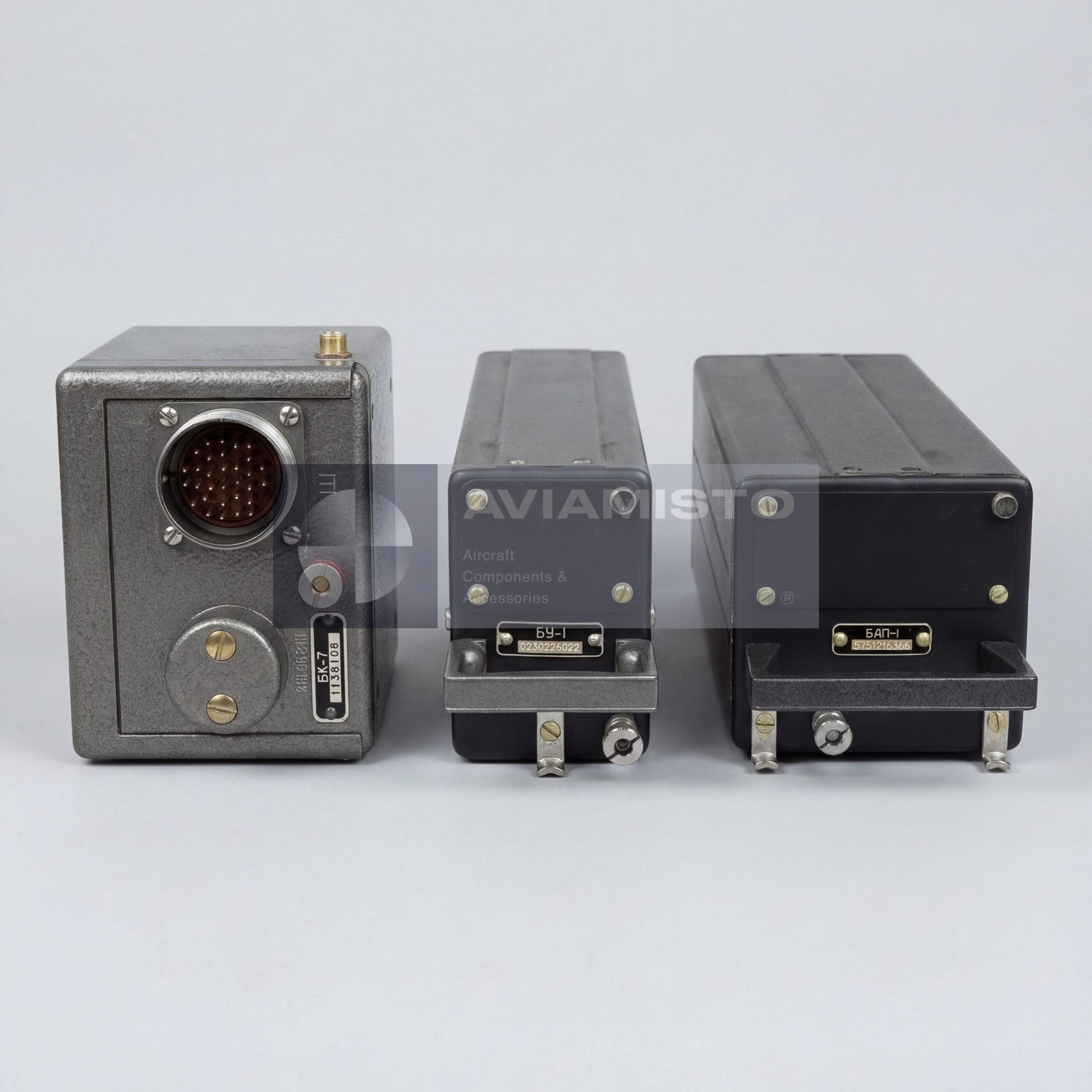
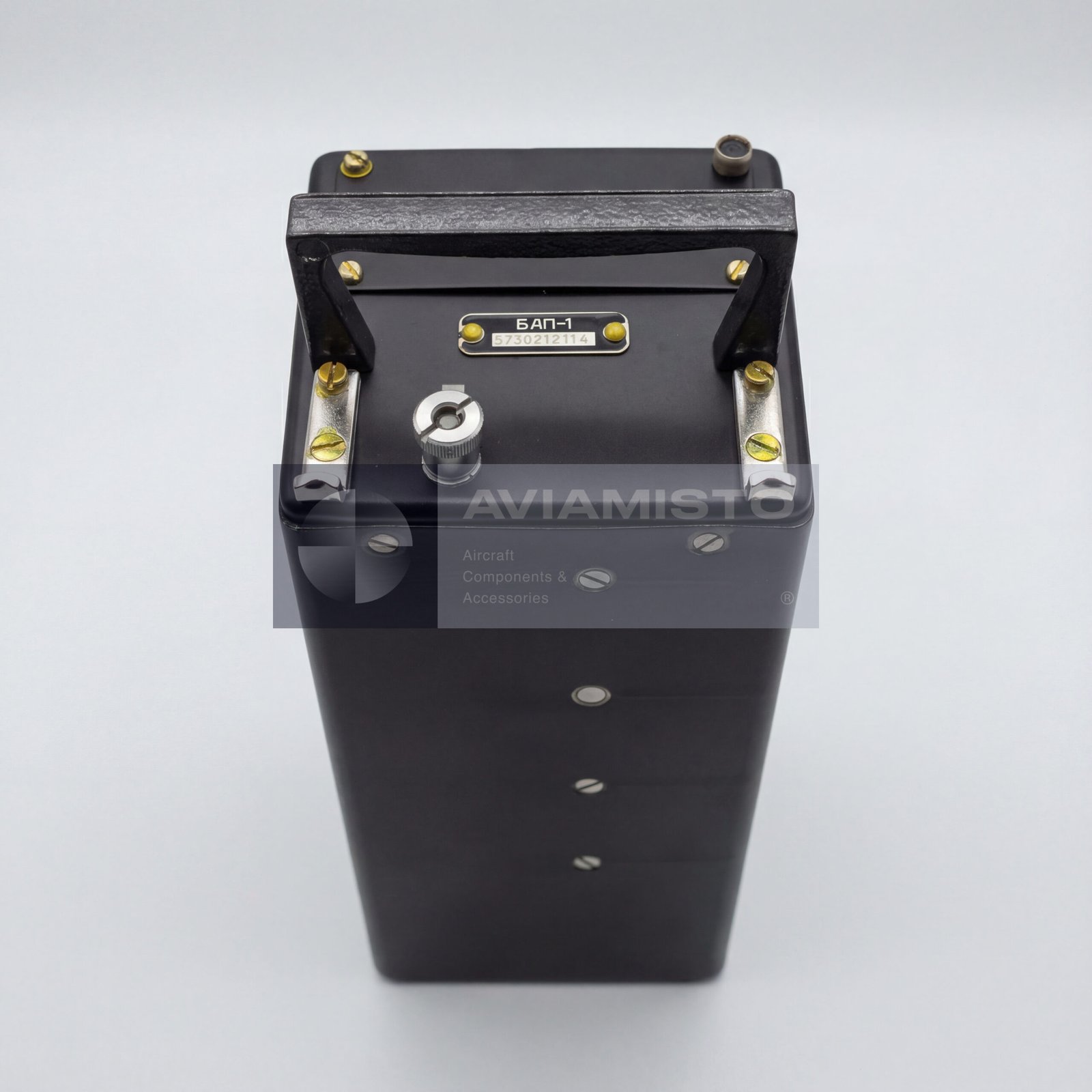
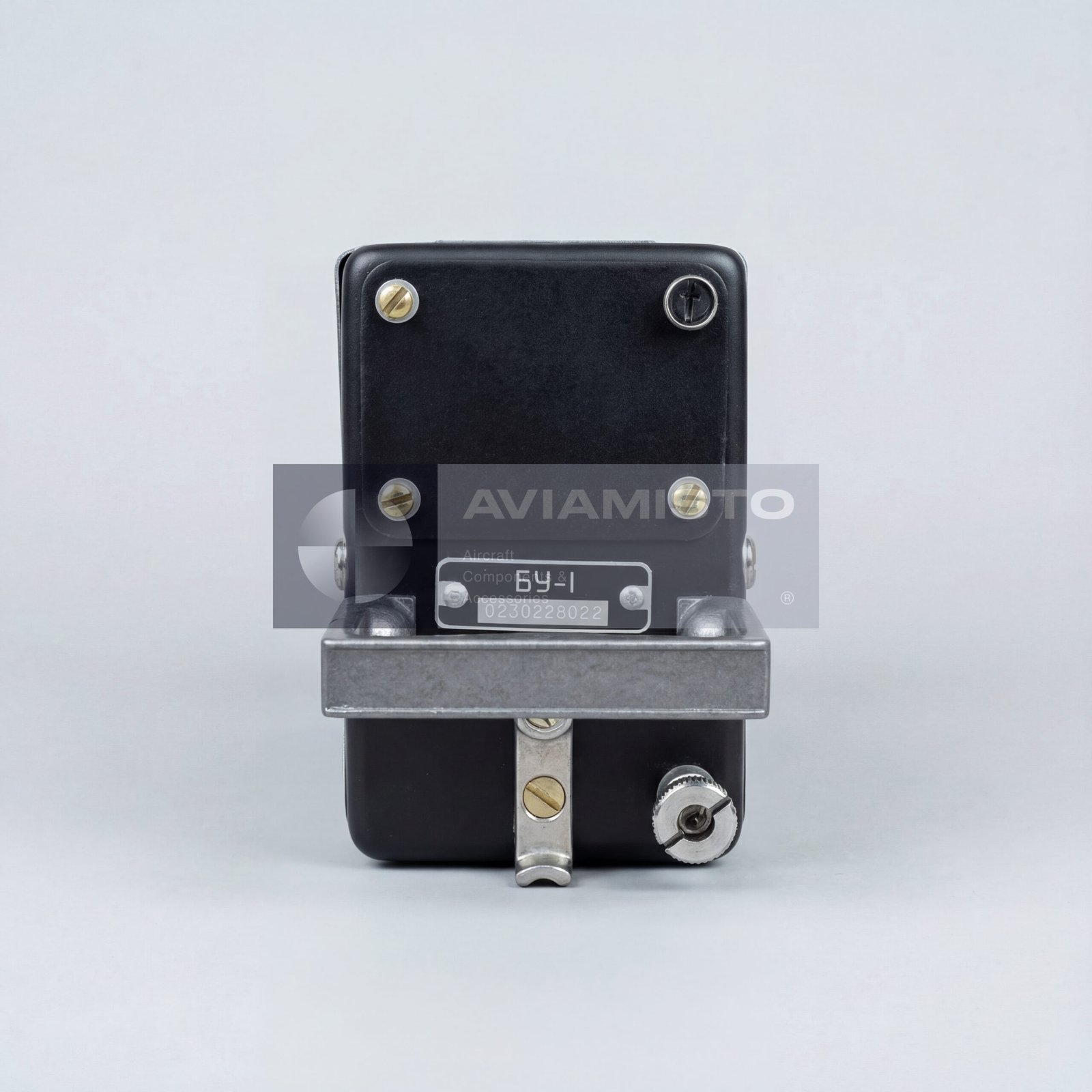
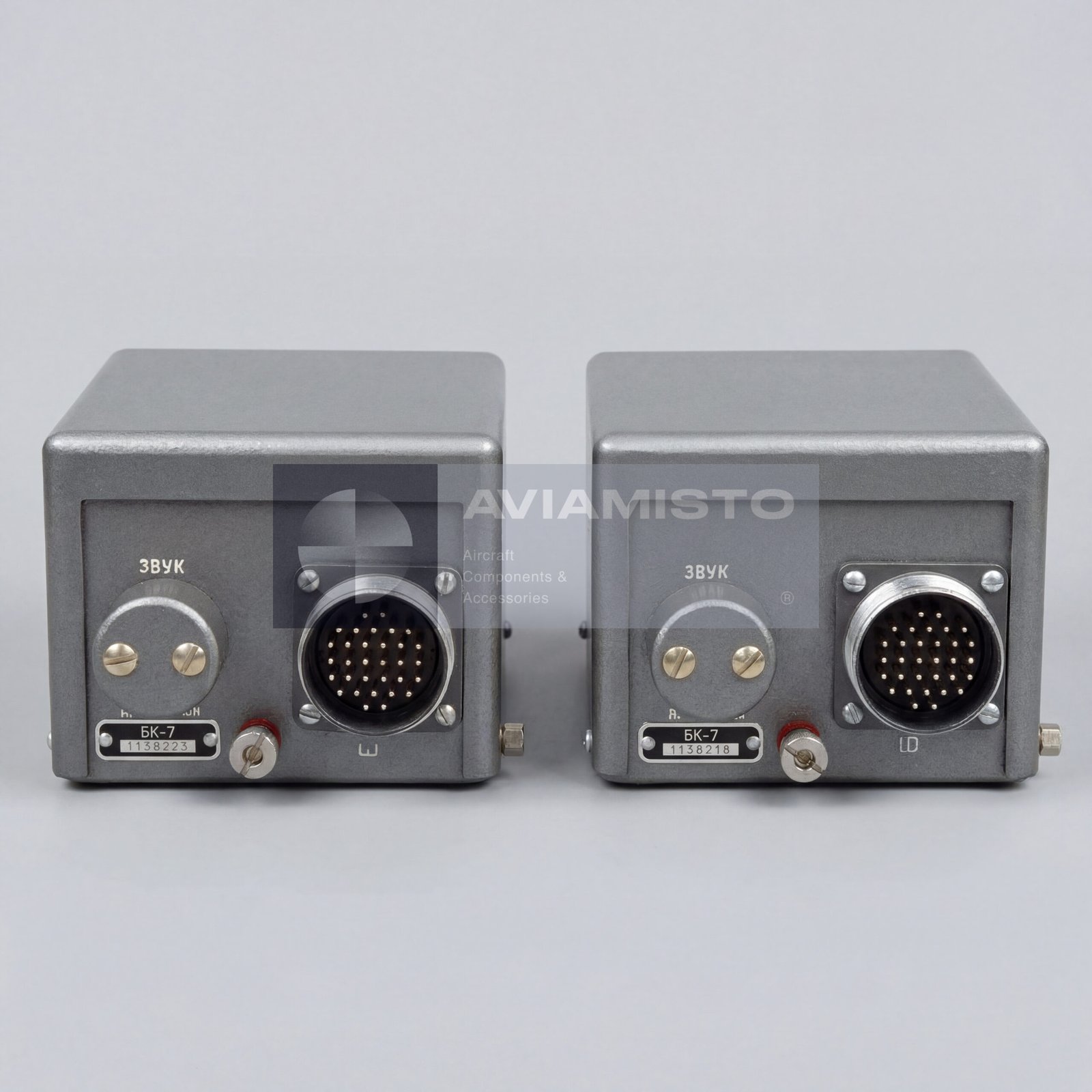
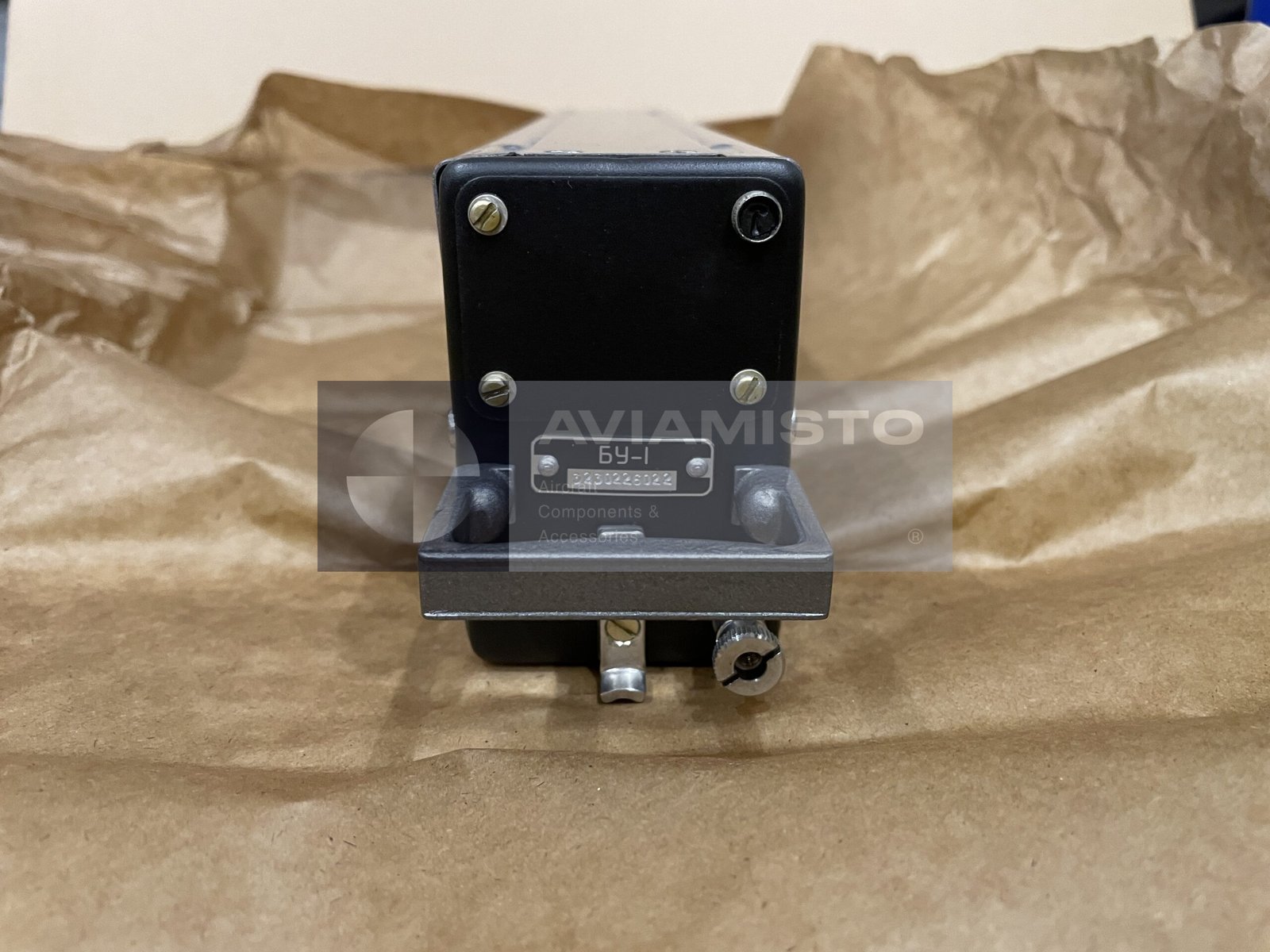
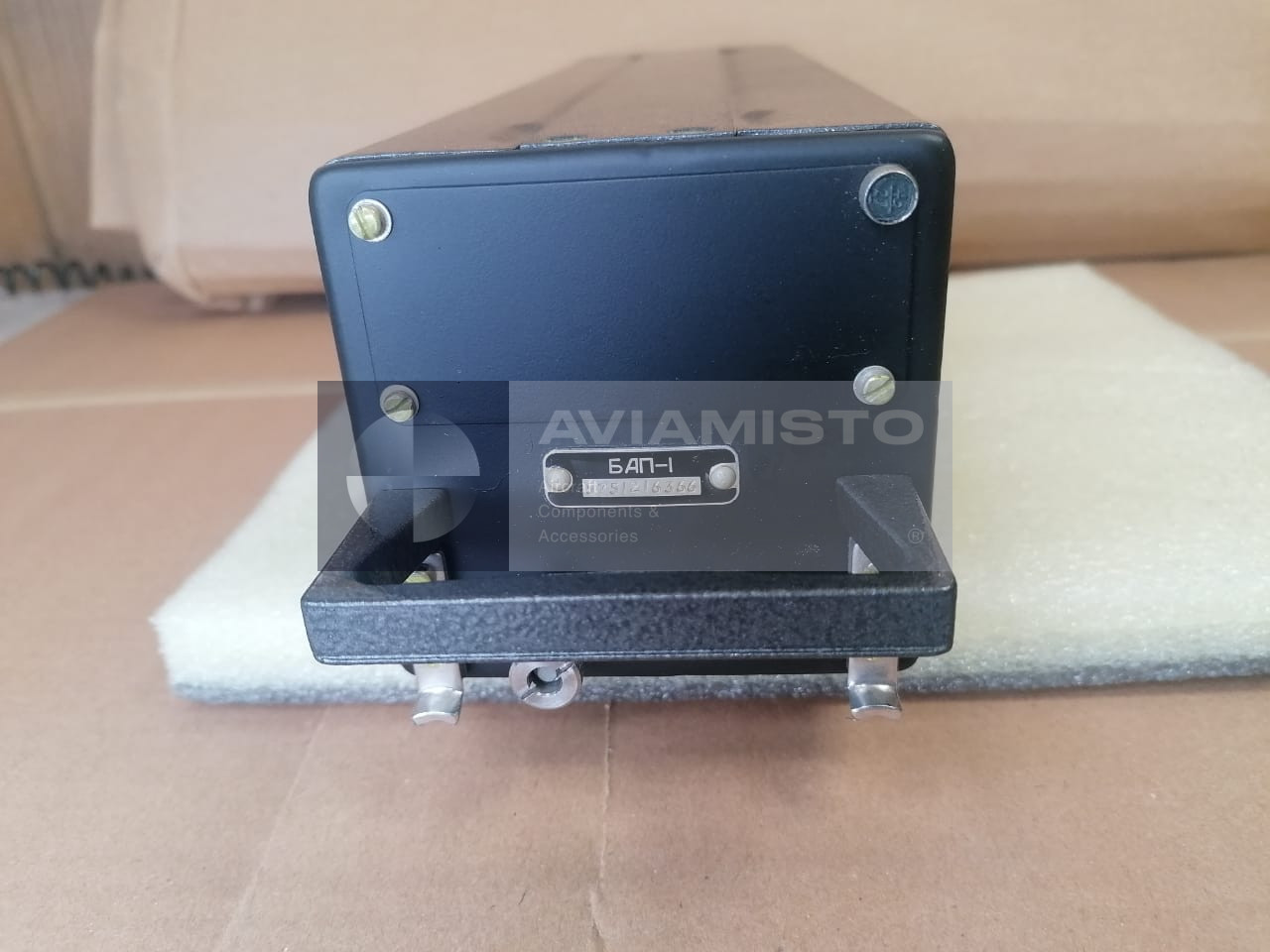
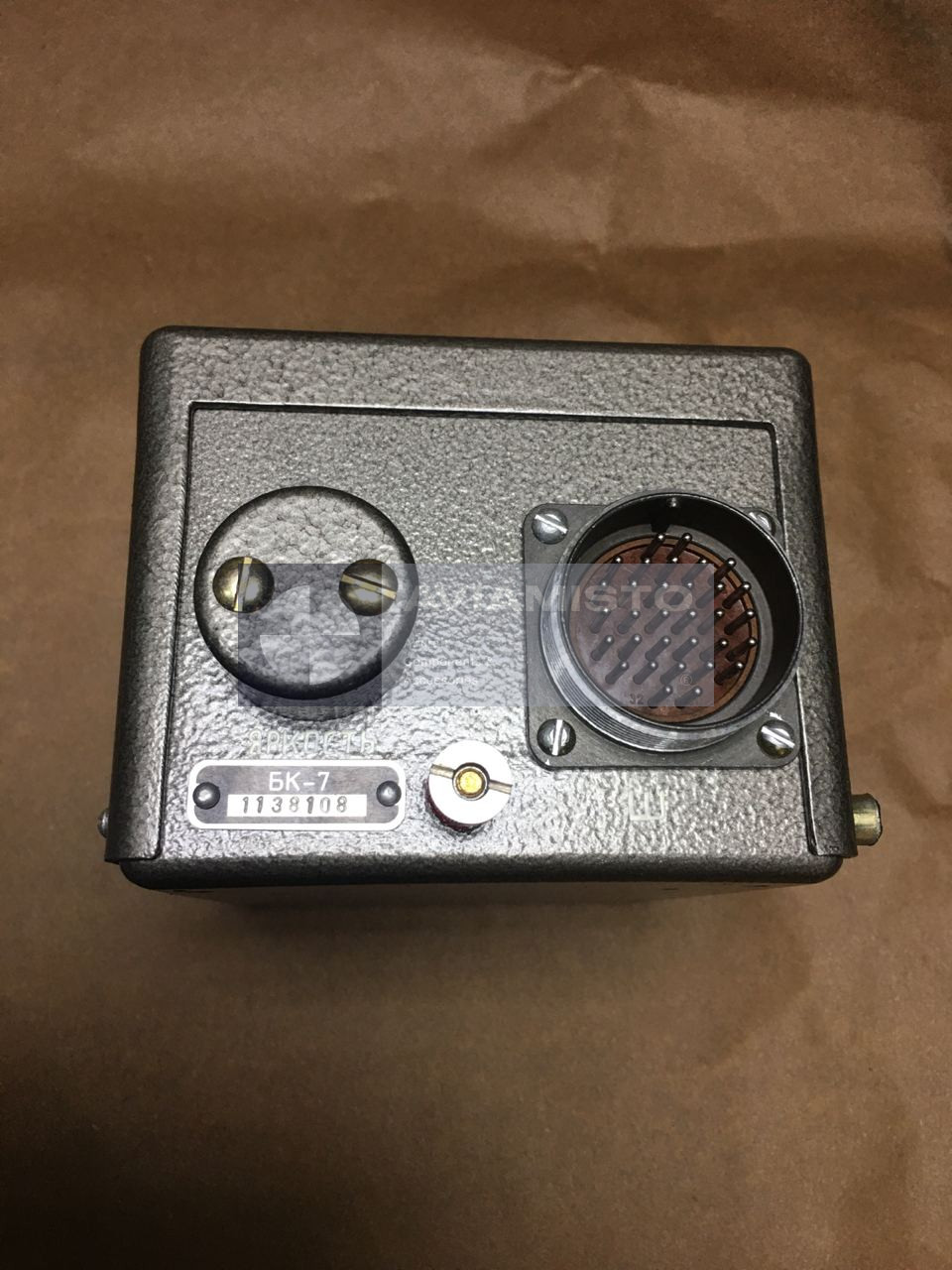
The complete SAS-4-9 system consists of three functional units: BAP-1, BU-1 and BK-7. The BAP-1 processes emergency and warning signals. The BU-1 handles advisory and non-emergency status indications. The BK-7 performs switching, routing, distribution and mode generation for the signal circuits. Together, these units form the complete alerting chain: receiving discrete signals, processing system logic, routing outputs and driving the cockpit indication and audio alerting equipment.
The SAS-4-9 operates from the aircraft 24–29.4 V DC power supply. It remains functional during degraded power conditions down to 18 V DC, which is important because crew alerting must remain available during abnormal electrical states. The maximum power consumption is up to 7 W per channel at 27 V, depending on configuration and active channels. Stable power, correct grounding, serviceable connectors and good wiring condition are essential for reliable alert processing and output.
The SAS-4-9 is installed on aircraft such as Yak-42 and Il-86, and may be used on other aircraft with compatible electrical signalling architecture. Before replacement, repair or completion of the system, the aircraft documentation should be checked for the required set of blocks, channel configuration, annunciator layout and wiring scheme. Similar warning systems may use comparable input and output principles, but the exact hardware composition and channel logic must match the aircraft configuration.
For procurement, it is important to specify whether the requirement is for the complete SAS-4-9 system or for separate units such as BAP-1, BU-1 or BK-7. The system may be supplied as a complete set, partial set or individual blocks depending on availability. For aircraft installation, documentation is essential: technical passports for BAP-1, BU-1 and BK-7, together with the consolidated SAS-4-9 system documentation, confirm identification, configuration, acceptance and traceability. Condition should be stated clearly at the time of supply.
Product Type: Integrated cockpit alerting and annunciation system
Designation: SAS-4-9
Alternative Designation: САС-4-9
Function: Automatic crew notification of failures, abnormal modes and aircraft system status
Application / Where Used: Aircraft emergency, warning and advisory annunciation systems
System / Installation Area: Cockpit alerting, warning and annunciation equipment
Compatible Aircraft / Equipment: Yak-42, Il-86 and compatible aircraft platforms
Signal Inputs: Discrete relay-type inputs, 18–29.4 V, any polarity
Alert Modes: Emergency, warning, advisory
Output Signals: Cockpit annunciators, central warning light, crew intercom audio alerts
System Composition: BAP-1, BU-1, BK-7
BAP-1 Function: Emergency and warning signal processing
BU-1 Function: Advisory signal processing
BK-7 Function: Switching, distribution, routing and mode generation
Power Supply: 24–29.4 V DC
Emergency Operation: Down to 18 V DC
Maximum Power Consumption: Up to 7 W per channel at 27 V
Flashing Mode Frequency: 2.6 Hz nominal
Supported Channels: Up to several dozen depending on configuration; BAP-1 supports up to 30 inputs
Installation: Permanently mounted avionics system with cockpit integration
Condition: As applicable
Technical Documentation: Technical passports for BAP-1, BU-1, BK-7 and consolidated SAS-4-9 system documentation
All shipments are carried out from our international warehouse in Dubai (UAE), as well as from our partners’ remote warehouses.
In Stock — items available in stock at the Dubai warehouse are dispatched within 5–10 business days after receiving 100% prepayment.
Remote Stock — items available at our partners’ remote warehouses are supplied within an average of 30–45 business days after receiving 100% prepayment.
Pre-Order — made-to-order products are manufactured and delivered within an average of 45–60 business days. Payment terms: 50% advance payment to start production, with the remaining 50% paid before dispatch from the Dubai warehouse after full readiness for shipment.
Returns & Changes (Restocking Fee)
For selected items, a RESTOCKING FEE of 10% may apply in case of return, order cancellation, or changes to the order specifications. This condition applies only to certain products and is confirmed at the order approval stage.
Warranty
All products are covered by a standard 6-month warranty.
Extended warranty is available upon request and is agreed individually; it may affect the final product price.
The SAS-4-9 is an onboard aircraft emergency, warning and advisory annunciation system used to alert the flight crew about failures, abnormal operating modes and system status changes. It receives signals from aircraft systems, processes them according to alerting logic and sends commands to cockpit annunciators, central warning elements and audio alert circuits. The system helps the crew separate critical failures from warnings and advisory messages, which is important during flight, taxiing, takeoff, landing and abnormal situations.
The SAS-4-9 supports three alert categories: emergency, warning and advisory. Emergency signals indicate critical conditions that require immediate crew attention. Warning signals draw attention to malfunctions or abnormal modes that must be handled, but may not require the same immediate reaction as a critical emergency. Advisory signals provide status, service or confirmation information about aircraft systems. This separation makes cockpit information easier to understand and helps the crew prioritize actions instead of receiving all messages at the same level.
The system works with discrete relay-type input signals from aircraft systems, sensors and relay circuits. Incoming signals are received, processed and routed through the SAS-4-9 hardware units. The system accepts discrete inputs in the 18–29.4 V range and supports any polarity, depending on configuration. These input signals are then converted into logic commands for the cockpit indication and alerting circuits. In practical operation, SAS-4-9 acts as the bridge between monitored onboard systems and the crew-facing warning interface.
After processing, the SAS-4-9 drives cockpit annunciators, crew alert panels, the central warning light and intercom-linked audio alerts. Visual alerts help the crew identify the affected system and the severity of the message, while audio signals draw attention to the alert even when the crew is focused outside the cockpit or on other instruments. The system also supports flashing indication modes, including a nominal flashing frequency of 2.6 Hz, which increases visibility of selected cockpit warnings.
The complete SAS-4-9 system consists of three functional units: BAP-1, BU-1 and BK-7. The BAP-1 processes emergency and warning signals. The BU-1 handles advisory and non-emergency status indications. The BK-7 performs switching, routing, distribution and mode generation for the signal circuits. Together, these units form the complete alerting chain: receiving discrete signals, processing system logic, routing outputs and driving the cockpit indication and audio alerting equipment.
The SAS-4-9 operates from the aircraft 24–29.4 V DC power supply. It remains functional during degraded power conditions down to 18 V DC, which is important because crew alerting must remain available during abnormal electrical states. The maximum power consumption is up to 7 W per channel at 27 V, depending on configuration and active channels. Stable power, correct grounding, serviceable connectors and good wiring condition are essential for reliable alert processing and output.
The SAS-4-9 is installed on aircraft such as Yak-42 and Il-86, and may be used on other aircraft with compatible electrical signalling architecture. Before replacement, repair or completion of the system, the aircraft documentation should be checked for the required set of blocks, channel configuration, annunciator layout and wiring scheme. Similar warning systems may use comparable input and output principles, but the exact hardware composition and channel logic must match the aircraft configuration.
For procurement, it is important to specify whether the requirement is for the complete SAS-4-9 system or for separate units such as BAP-1, BU-1 or BK-7. The system may be supplied as a complete set, partial set or individual blocks depending on availability. For aircraft installation, documentation is essential: technical passports for BAP-1, BU-1 and BK-7, together with the consolidated SAS-4-9 system documentation, confirm identification, configuration, acceptance and traceability. Condition should be stated clearly at the time of supply.
Product Type: Integrated cockpit alerting and annunciation system
Designation: SAS-4-9
Alternative Designation: САС-4-9
Function: Automatic crew notification of failures, abnormal modes and aircraft system status
Application / Where Used: Aircraft emergency, warning and advisory annunciation systems
System / Installation Area: Cockpit alerting, warning and annunciation equipment
Compatible Aircraft / Equipment: Yak-42, Il-86 and compatible aircraft platforms
Signal Inputs: Discrete relay-type inputs, 18–29.4 V, any polarity
Alert Modes: Emergency, warning, advisory
Output Signals: Cockpit annunciators, central warning light, crew intercom audio alerts
System Composition: BAP-1, BU-1, BK-7
BAP-1 Function: Emergency and warning signal processing
BU-1 Function: Advisory signal processing
BK-7 Function: Switching, distribution, routing and mode generation
Power Supply: 24–29.4 V DC
Emergency Operation: Down to 18 V DC
Maximum Power Consumption: Up to 7 W per channel at 27 V
Flashing Mode Frequency: 2.6 Hz nominal
Supported Channels: Up to several dozen depending on configuration; BAP-1 supports up to 30 inputs
Installation: Permanently mounted avionics system with cockpit integration
Condition: As applicable
Technical Documentation: Technical passports for BAP-1, BU-1, BK-7 and consolidated SAS-4-9 system documentation
All shipments are carried out from our international warehouse in Dubai (UAE), as well as from our partners’ remote warehouses.
In Stock — items available in stock at the Dubai warehouse are dispatched within 5–10 business days after receiving 100% prepayment.
Remote Stock — items available at our partners’ remote warehouses are supplied within an average of 30–45 business days after receiving 100% prepayment.
Pre-Order — made-to-order products are manufactured and delivered within an average of 45–60 business days. Payment terms: 50% advance payment to start production, with the remaining 50% paid before dispatch from the Dubai warehouse after full readiness for shipment.
Returns & Changes (Restocking Fee)
For selected items, a RESTOCKING FEE of 10% may apply in case of return, order cancellation, or changes to the order specifications. This condition applies only to certain products and is confirmed at the order approval stage.
Warranty
All products are covered by a standard 6-month warranty.
Extended warranty is available upon request and is agreed individually; it may affect the final product price.