Login by Email
Enter the code from Email
Correction Mechanism
Price on request
Correction Mechanism
Available on back-order
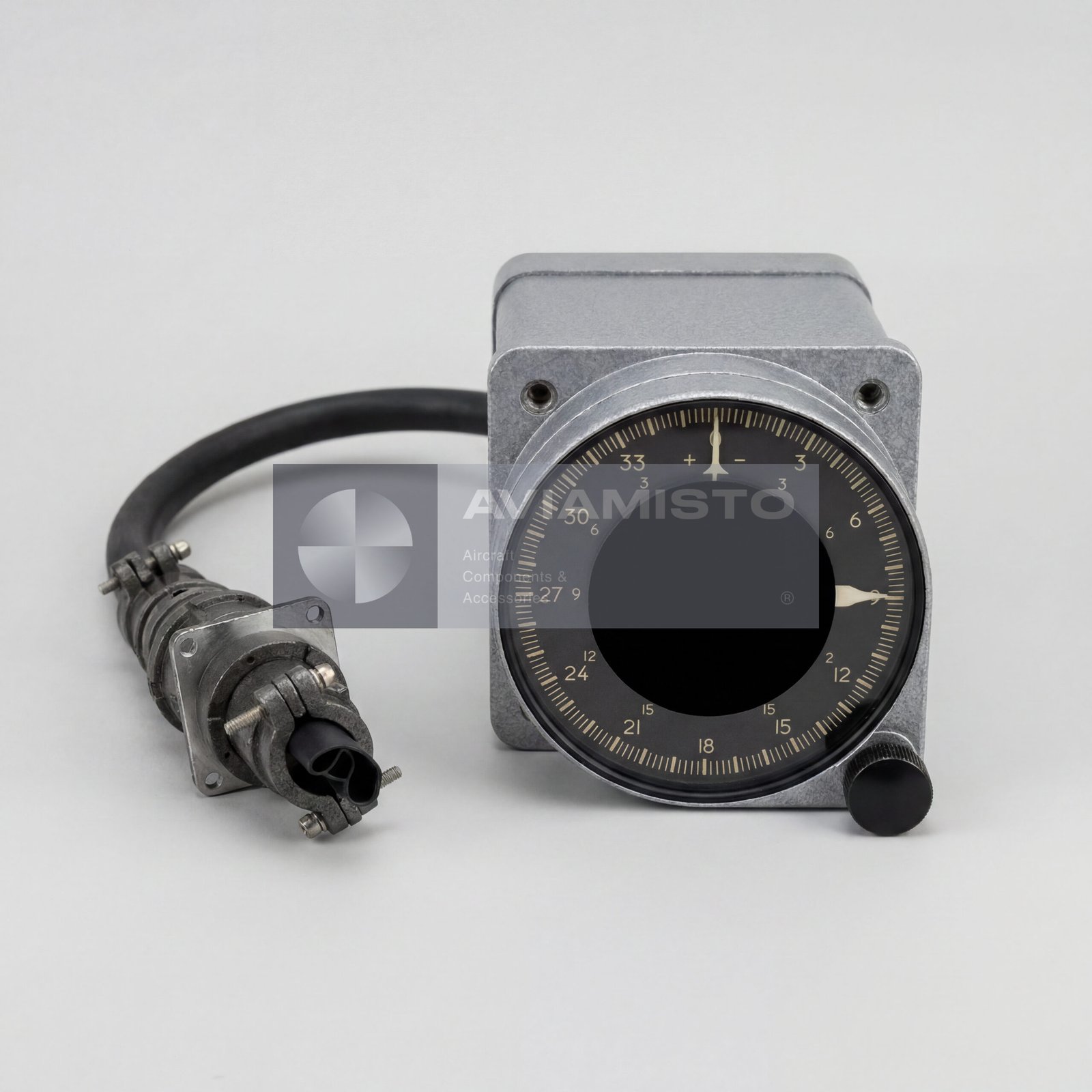
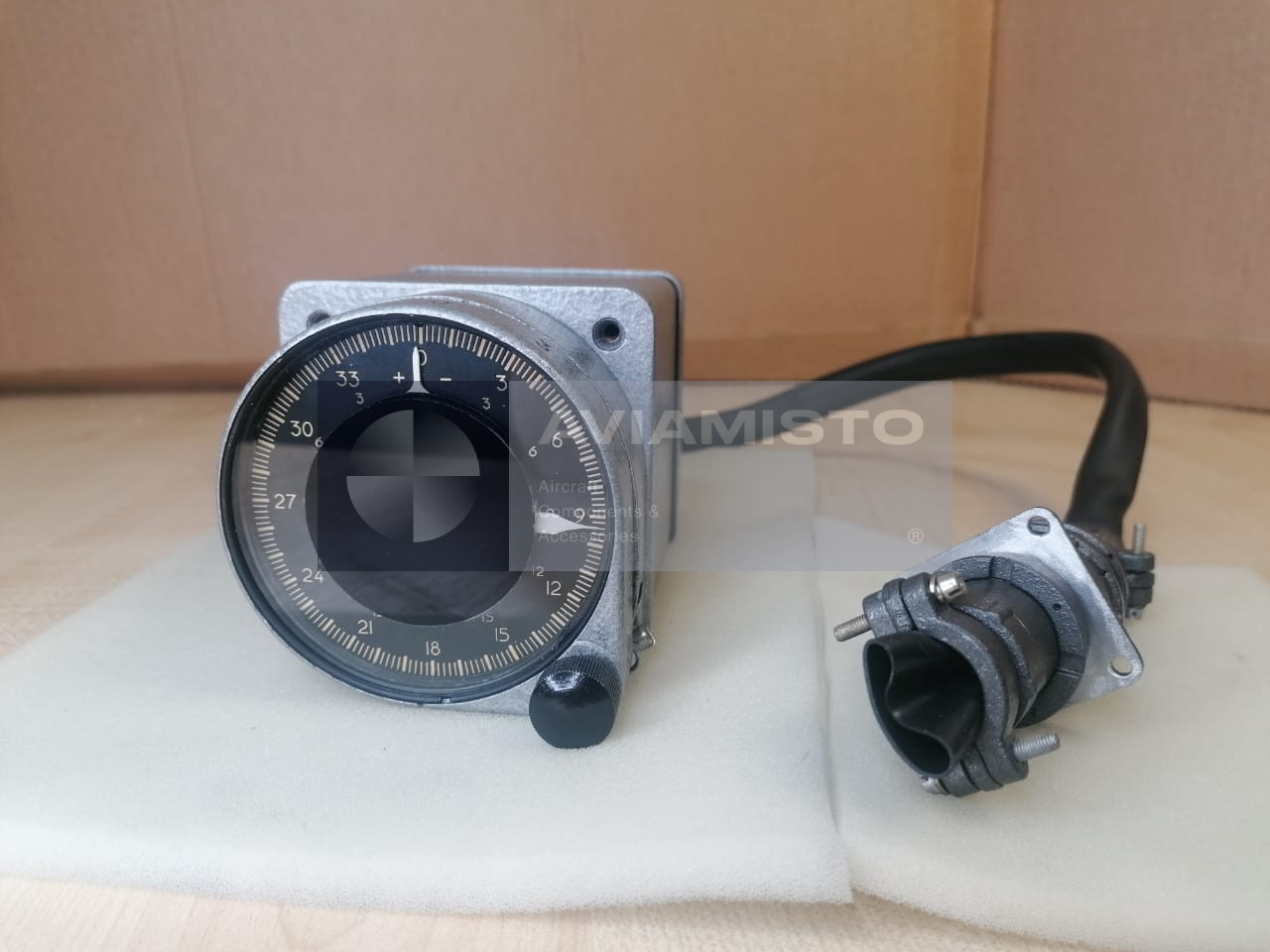
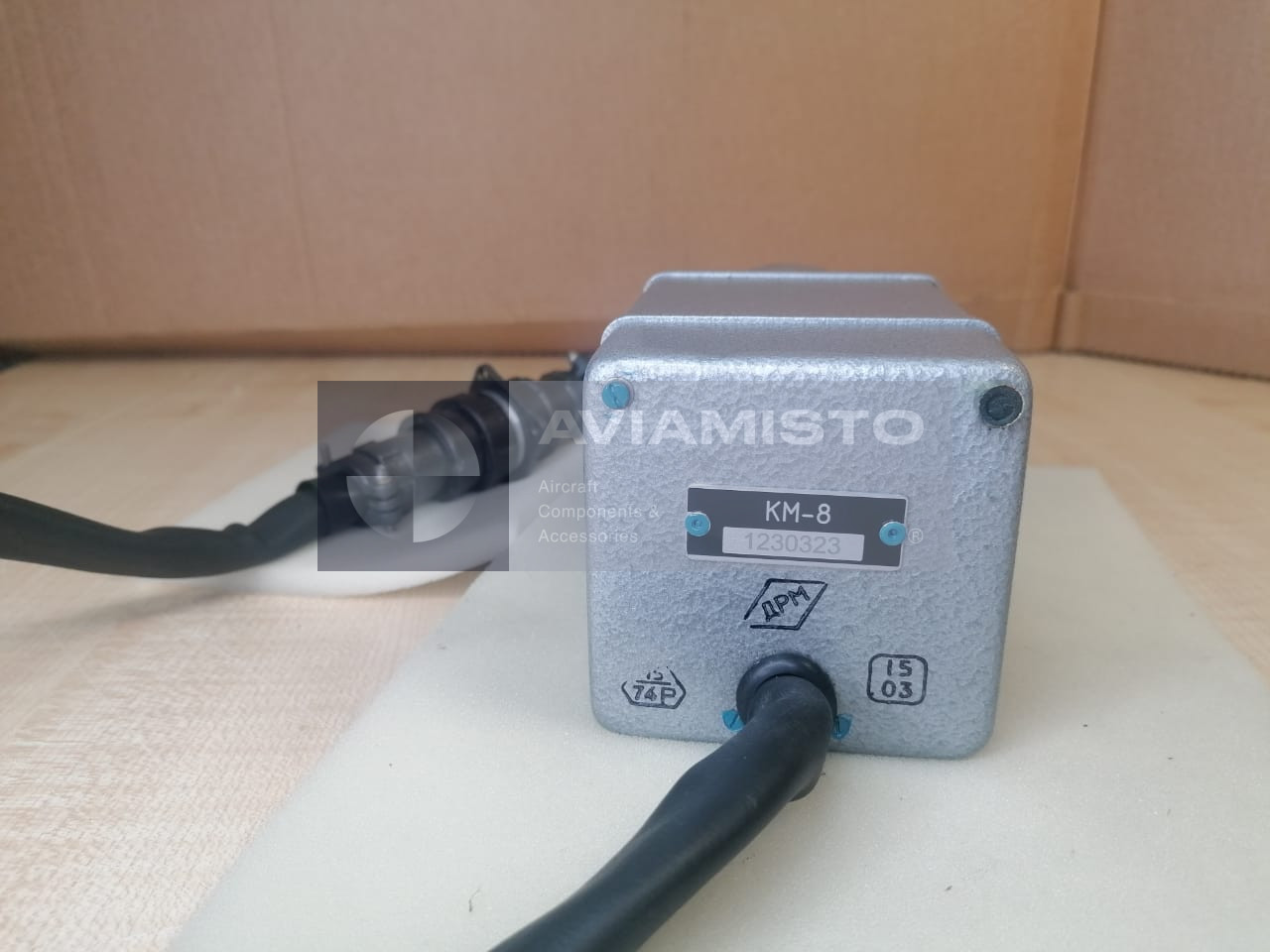
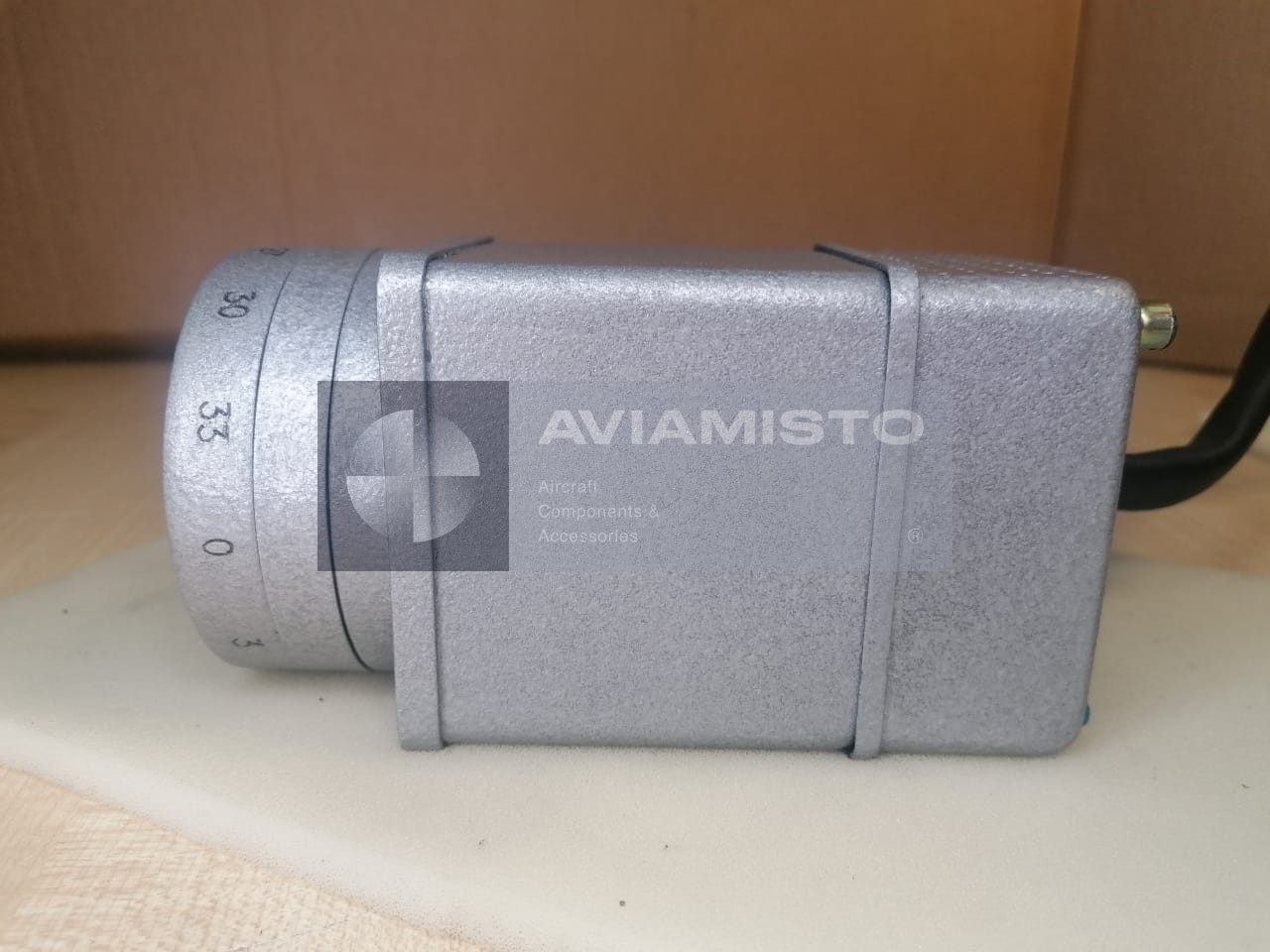
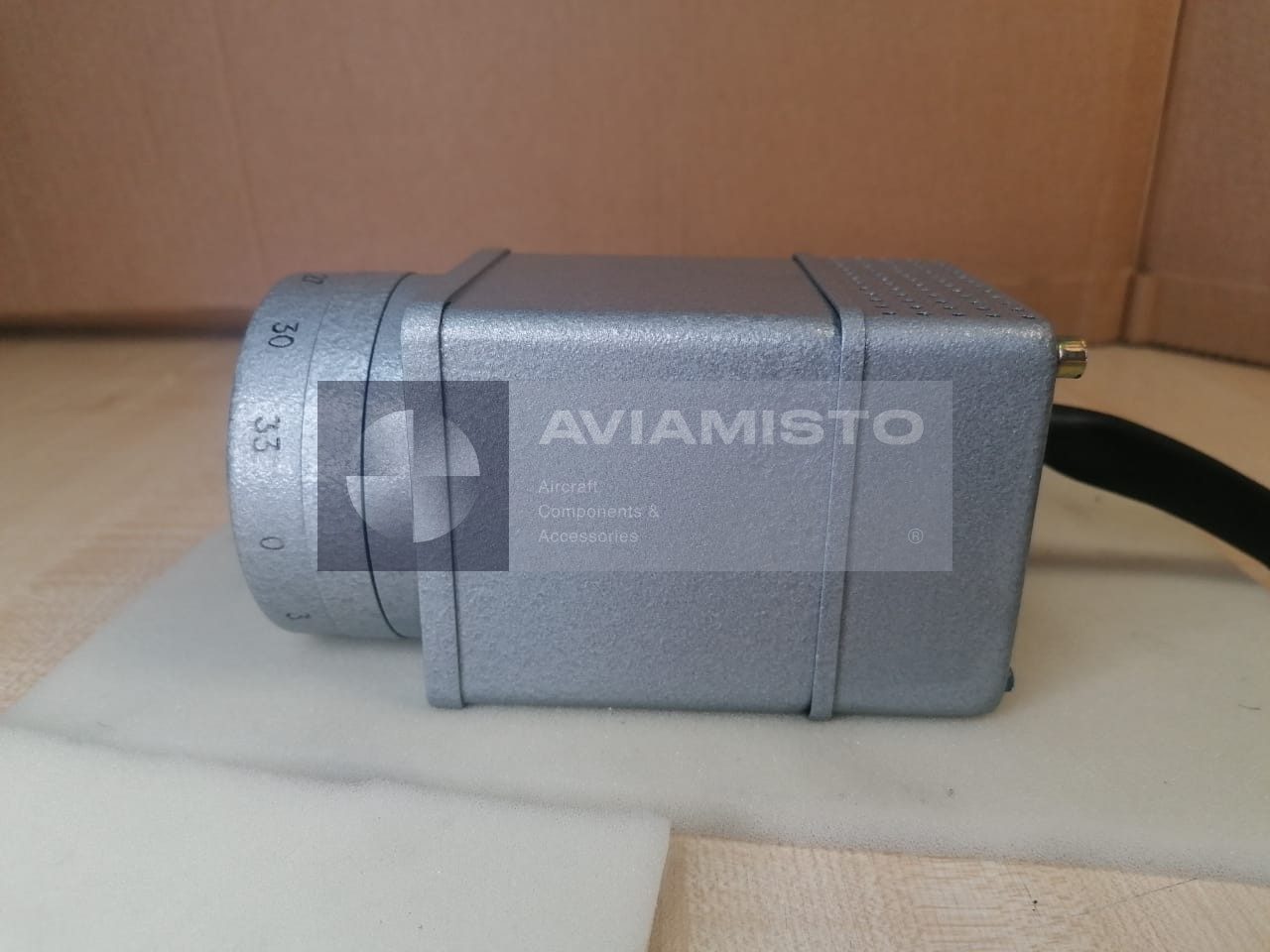
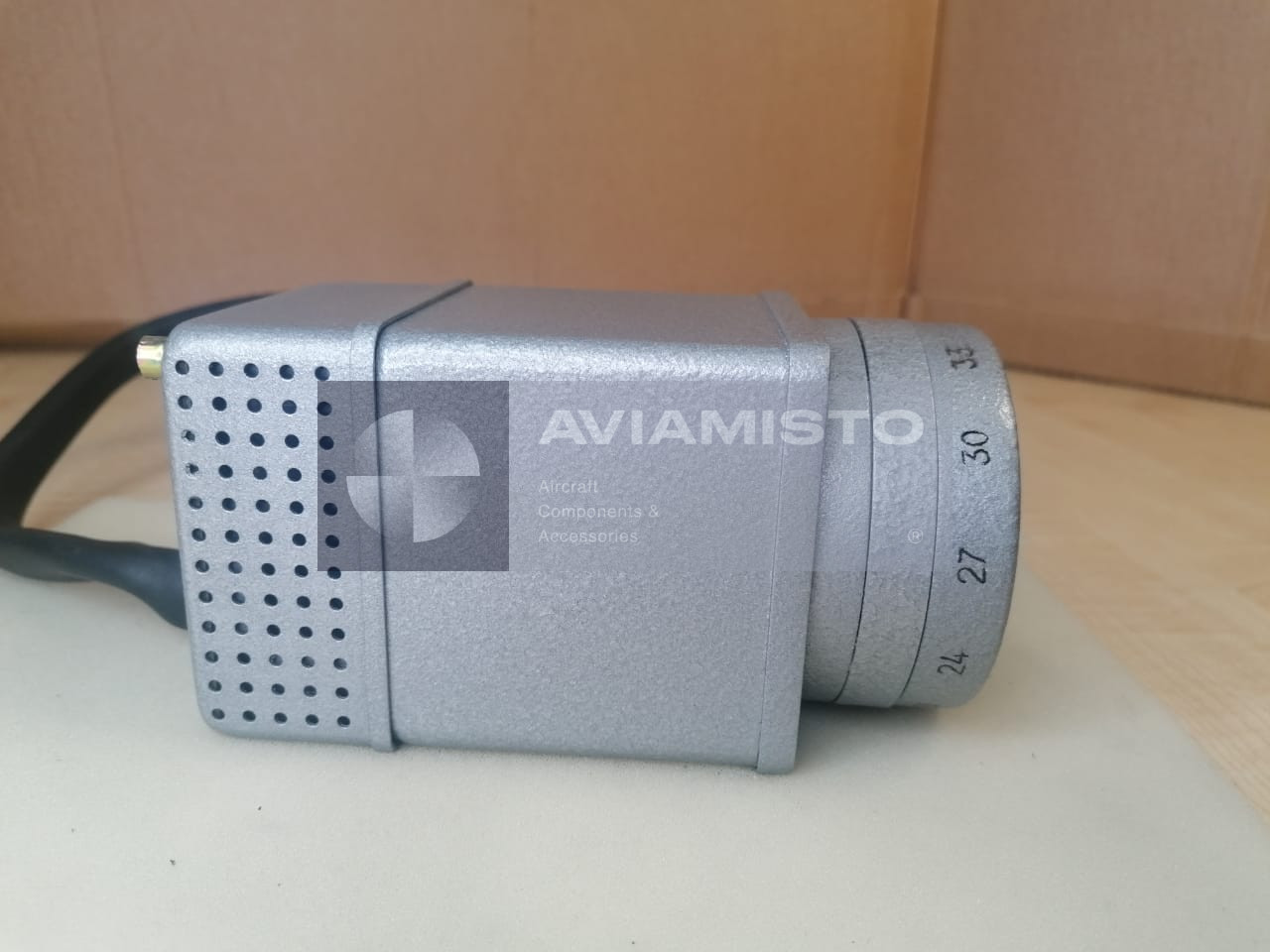
The KM-8 is an aircraft correction mechanism used in GMK-1 heading systems, including GMK-1A and GMK-1G versions. It works between the ID-3 induction detector and the GA-6 gyro unit, helping the system correct magnetic heading data before it is passed further through the heading system. The unit is not just a passive transmission element. Inside the GMK-1 set, the KM-8 takes part in compensation of magnetic deviation, correction of instrument errors and introduction of magnetic variation. This makes it one of the key mechanical-electrical units in the heading reference chain.
The KM-8 corrects heading information before it reaches the gyro unit and cockpit indicators. It is used to compensate quarter deviation and other system errors that appear in magnetic heading channels. The correction is made through a built-in cam mechanism, adjusted during deviation compensation on the aircraft. After adjustment, the mechanism introduces a small mechanical correction angle into the signal path. In normal operation this helps the heading system provide a more accurate course value than the raw signal coming from the induction detector alone.
One of the most recognizable parts of the KM-8 is its cam correction device. Inside the mechanism, a tracking roller moves along a flexible steel tape. The shape of this tape is adjusted by screws placed around the mechanism at regular angular intervals. During deviation compensation, the tape is set so that the lever system turns the synchro stator by the required correction angle. This is a practical mechanical way of storing the deviation correction curve inside the instrument itself, without relying on a separate electronic memory or external computing unit.
The KM-8 also allows magnetic variation to be introduced into the heading system. This is needed when the crew or maintenance personnel need the system to work with true course rather than only magnetic course, depending on the selected operating mode and aircraft procedure. The variation input is made through the control mechanism on the instrument. In service, this function must be checked carefully, because incorrect variation setting can shift the heading information passed to indicators, autopilot channels or navigation users connected to the GMK-1 system.
The KM-8 has its own course scale, allowing the current magnetic course to be read directly on the instrument. The scale is useful during setup, inspection and system checks, especially when comparing KM-8 indication with main cockpit indicators such as UGR-4UK. The unit also participates in switching circuits used for checking the heading system. During control tests from the navigator’s panel, the KM-8 must respond to defined test angles. This makes it useful not only as a correction device, but also as a reference point during troubleshooting.
The KM-8 contains two synchro receivers, a small electric drive with a reduction gear and an internal semiconductor amplifier. One synchro receiver works in the tracking channel and aligns its rotor with signals coming from the ID-3 induction detector. The second synchro transfers the corrected magnetic heading signal to the GA-6 gyro unit. Because the instrument combines mechanics, synchro circuits and an electric drive, faults may appear as mechanical sticking, incorrect indication, poor tracking, loss of signal, or mismatch between the KM-8 and the main course indicators.
The KM-8 is used on aircraft and helicopters fitted with GMK-1 heading systems, including Mi-8 / Mi-171 helicopters and aircraft such as Yak-18T, depending on installed equipment. On some aircraft it is mounted on the instrument panel; on Mi-8-type helicopters it may be installed on an equipment rack behind the pilots. Before ordering or replacing the unit, the exact GMK-1 version, connector type, condition, documentation and compatibility with the aircraft wiring should be checked. Similar correction mechanisms should not be treated as interchangeable without confirmation by system documentation.
Product Type: Aircraft heading correction mechanism
Designation: KM-8
Associated System: GMK-1 aircraft heading system
Applicable System Versions: GMK-1A, GMK-1G and related GMK-1 versions depending on aircraft installation
Function: Correction of magnetic heading signals, deviation compensation and magnetic variation input
Application / Where Used: Aircraft heading reference and navigation systems
System / Installation Area: GMK-1 heading system equipment group; instrument panel or avionics equipment rack depending on aircraft type
Main System Connection: Between ID-3 induction detector and GA-6 gyro unit
Associated Components: ID-3 induction detector, GA-6 gyro unit, BS-1 communication unit, AS-1 matching unit, PU-26 / PU-27 control panel, UGR-4UK indicator
Course Indication Range: 0° to 360°
Course Scale Division: 2°
Scale Numbering Interval: Every 30°
Tracking System Error: Difference between KM-8 indication and main course indicators not more than ±2° in flight
System Course Error after Compensation: Not more than ±1°
Deviation Compensation Range: Within ±6°
Number of Cam Adjustment Screws: 24 screws, spaced every 15°
Magnetic Variation Input Range: ±180°
Internal Elements: Two synchro receivers, built-in electric motor with reduction gear, internal semiconductor amplifier
Synchro Receiver Types: 573K and 905B
Built-in Control Mode: Response to “0–Control–300” test signals from navigator’s panel
Control Angle Response: 0° ±10° and 300° ±10°
Readiness Time in System: Not more than 3 minutes in magnetic correction mode
AC Power Supply: 36 V, 400 Hz as part of the GMK-1 power system
DC Power Supply: 27 V DC as part of the GMK-1 power system
Frequency Variation Resistance: Short-term operation with AC frequency variation within 390–450 Hz
Mounting: Round aircraft instrument body, panel mounting or shock-mounted equipment rack installation depending on aircraft type
Front Panel Diameter: 115 mm
Body Diameter: 100 mm
Mounting Depth: Approximately 160–180 mm including rear connector
Fastening: Four front mounting screws
Weight: Not more than 1.8 kg
Compatible Aircraft / Equipment: Mi-8, Mi-171, Yak-18T and other aircraft fitted with GMK-1 heading systems depending on configuration
Technical Documentation: GMK-1 system documentation, aircraft maintenance manual, wiring diagrams, product passport / label when available
All shipments are carried out from our international warehouse in Dubai (UAE), as well as from our partners’ remote warehouses.
In Stock — items available in stock at the Dubai warehouse are dispatched within 5–10 business days after receiving 100% prepayment.
Remote Stock — items available at our partners’ remote warehouses are supplied within an average of 30–45 business days after receiving 100% prepayment.
Pre-Order — made-to-order products are manufactured and delivered within an average of 45–60 business days. Payment terms: 50% advance payment to start production, with the remaining 50% paid before dispatch from the Dubai warehouse after full readiness for shipment.
Returns & Changes (Restocking Fee)
For selected items, a RESTOCKING FEE of 10% may apply in case of return, order cancellation, or changes to the order specifications. This condition applies only to certain products and is confirmed at the order approval stage.
Warranty
All products are covered by a standard 6-month warranty.
Extended warranty is available upon request and is agreed individually; it may affect the final product price.
The KM-8 is an aircraft correction mechanism used in GMK-1 heading systems, including GMK-1A and GMK-1G versions. It works between the ID-3 induction detector and the GA-6 gyro unit, helping the system correct magnetic heading data before it is passed further through the heading system. The unit is not just a passive transmission element. Inside the GMK-1 set, the KM-8 takes part in compensation of magnetic deviation, correction of instrument errors and introduction of magnetic variation. This makes it one of the key mechanical-electrical units in the heading reference chain.
The KM-8 corrects heading information before it reaches the gyro unit and cockpit indicators. It is used to compensate quarter deviation and other system errors that appear in magnetic heading channels. The correction is made through a built-in cam mechanism, adjusted during deviation compensation on the aircraft. After adjustment, the mechanism introduces a small mechanical correction angle into the signal path. In normal operation this helps the heading system provide a more accurate course value than the raw signal coming from the induction detector alone.
One of the most recognizable parts of the KM-8 is its cam correction device. Inside the mechanism, a tracking roller moves along a flexible steel tape. The shape of this tape is adjusted by screws placed around the mechanism at regular angular intervals. During deviation compensation, the tape is set so that the lever system turns the synchro stator by the required correction angle. This is a practical mechanical way of storing the deviation correction curve inside the instrument itself, without relying on a separate electronic memory or external computing unit.
The KM-8 also allows magnetic variation to be introduced into the heading system. This is needed when the crew or maintenance personnel need the system to work with true course rather than only magnetic course, depending on the selected operating mode and aircraft procedure. The variation input is made through the control mechanism on the instrument. In service, this function must be checked carefully, because incorrect variation setting can shift the heading information passed to indicators, autopilot channels or navigation users connected to the GMK-1 system.
The KM-8 has its own course scale, allowing the current magnetic course to be read directly on the instrument. The scale is useful during setup, inspection and system checks, especially when comparing KM-8 indication with main cockpit indicators such as UGR-4UK. The unit also participates in switching circuits used for checking the heading system. During control tests from the navigator’s panel, the KM-8 must respond to defined test angles. This makes it useful not only as a correction device, but also as a reference point during troubleshooting.
The KM-8 contains two synchro receivers, a small electric drive with a reduction gear and an internal semiconductor amplifier. One synchro receiver works in the tracking channel and aligns its rotor with signals coming from the ID-3 induction detector. The second synchro transfers the corrected magnetic heading signal to the GA-6 gyro unit. Because the instrument combines mechanics, synchro circuits and an electric drive, faults may appear as mechanical sticking, incorrect indication, poor tracking, loss of signal, or mismatch between the KM-8 and the main course indicators.
The KM-8 is used on aircraft and helicopters fitted with GMK-1 heading systems, including Mi-8 / Mi-171 helicopters and aircraft such as Yak-18T, depending on installed equipment. On some aircraft it is mounted on the instrument panel; on Mi-8-type helicopters it may be installed on an equipment rack behind the pilots. Before ordering or replacing the unit, the exact GMK-1 version, connector type, condition, documentation and compatibility with the aircraft wiring should be checked. Similar correction mechanisms should not be treated as interchangeable without confirmation by system documentation.
Product Type: Aircraft heading correction mechanism
Designation: KM-8
Associated System: GMK-1 aircraft heading system
Applicable System Versions: GMK-1A, GMK-1G and related GMK-1 versions depending on aircraft installation
Function: Correction of magnetic heading signals, deviation compensation and magnetic variation input
Application / Where Used: Aircraft heading reference and navigation systems
System / Installation Area: GMK-1 heading system equipment group; instrument panel or avionics equipment rack depending on aircraft type
Main System Connection: Between ID-3 induction detector and GA-6 gyro unit
Associated Components: ID-3 induction detector, GA-6 gyro unit, BS-1 communication unit, AS-1 matching unit, PU-26 / PU-27 control panel, UGR-4UK indicator
Course Indication Range: 0° to 360°
Course Scale Division: 2°
Scale Numbering Interval: Every 30°
Tracking System Error: Difference between KM-8 indication and main course indicators not more than ±2° in flight
System Course Error after Compensation: Not more than ±1°
Deviation Compensation Range: Within ±6°
Number of Cam Adjustment Screws: 24 screws, spaced every 15°
Magnetic Variation Input Range: ±180°
Internal Elements: Two synchro receivers, built-in electric motor with reduction gear, internal semiconductor amplifier
Synchro Receiver Types: 573K and 905B
Built-in Control Mode: Response to “0–Control–300” test signals from navigator’s panel
Control Angle Response: 0° ±10° and 300° ±10°
Readiness Time in System: Not more than 3 minutes in magnetic correction mode
AC Power Supply: 36 V, 400 Hz as part of the GMK-1 power system
DC Power Supply: 27 V DC as part of the GMK-1 power system
Frequency Variation Resistance: Short-term operation with AC frequency variation within 390–450 Hz
Mounting: Round aircraft instrument body, panel mounting or shock-mounted equipment rack installation depending on aircraft type
Front Panel Diameter: 115 mm
Body Diameter: 100 mm
Mounting Depth: Approximately 160–180 mm including rear connector
Fastening: Four front mounting screws
Weight: Not more than 1.8 kg
Compatible Aircraft / Equipment: Mi-8, Mi-171, Yak-18T and other aircraft fitted with GMK-1 heading systems depending on configuration
Technical Documentation: GMK-1 system documentation, aircraft maintenance manual, wiring diagrams, product passport / label when available
All shipments are carried out from our international warehouse in Dubai (UAE), as well as from our partners’ remote warehouses.
In Stock — items available in stock at the Dubai warehouse are dispatched within 5–10 business days after receiving 100% prepayment.
Remote Stock — items available at our partners’ remote warehouses are supplied within an average of 30–45 business days after receiving 100% prepayment.
Pre-Order — made-to-order products are manufactured and delivered within an average of 45–60 business days. Payment terms: 50% advance payment to start production, with the remaining 50% paid before dispatch from the Dubai warehouse after full readiness for shipment.
Returns & Changes (Restocking Fee)
For selected items, a RESTOCKING FEE of 10% may apply in case of return, order cancellation, or changes to the order specifications. This condition applies only to certain products and is confirmed at the order approval stage.
Warranty
All products are covered by a standard 6-month warranty.
Extended warranty is available upon request and is agreed individually; it may affect the final product price.
Do you really want to log out?