Login by Email
Enter the code from Email
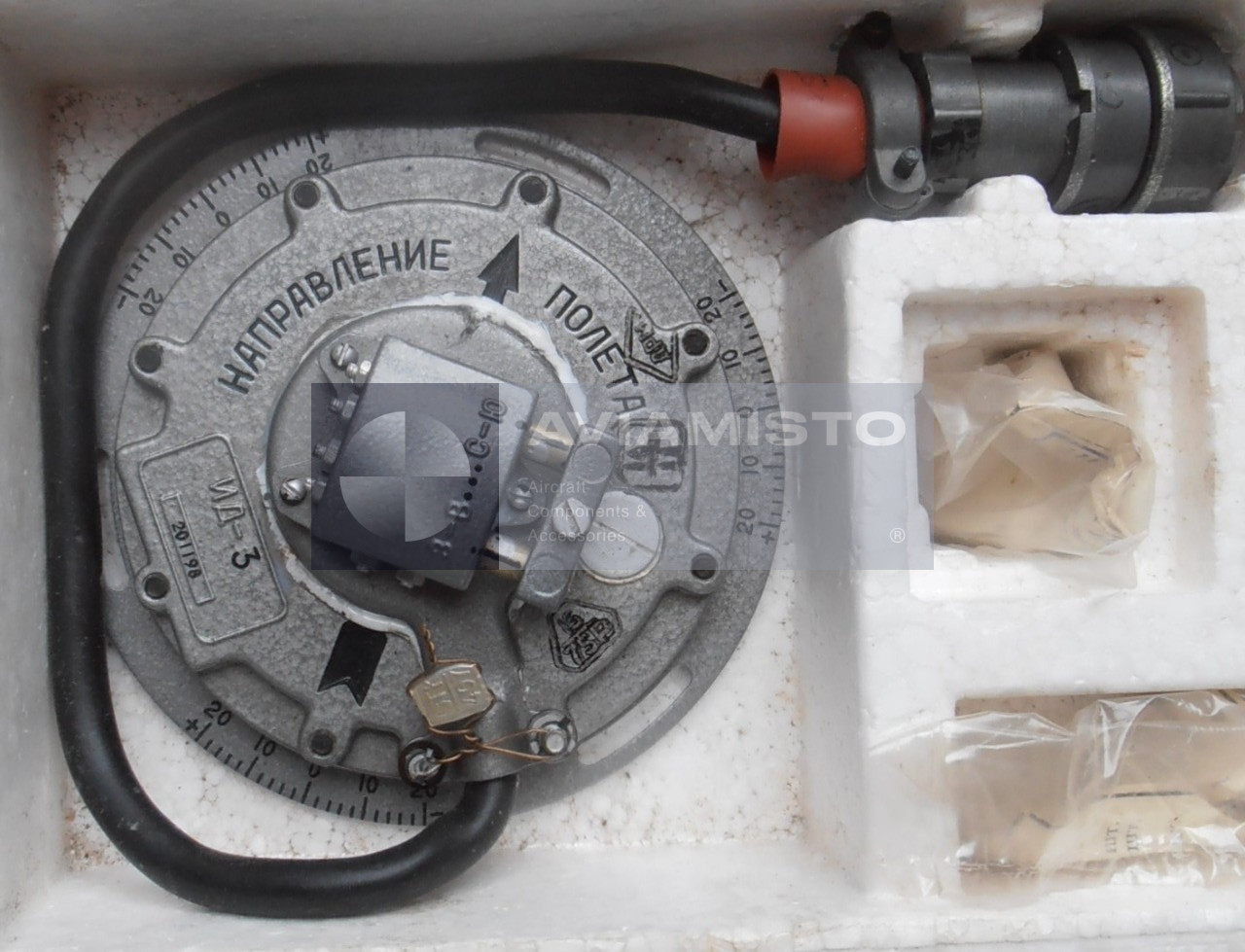
Induction Magnetic Sensor
Price on request
Induction Magnetic Sensor
Available on back-order
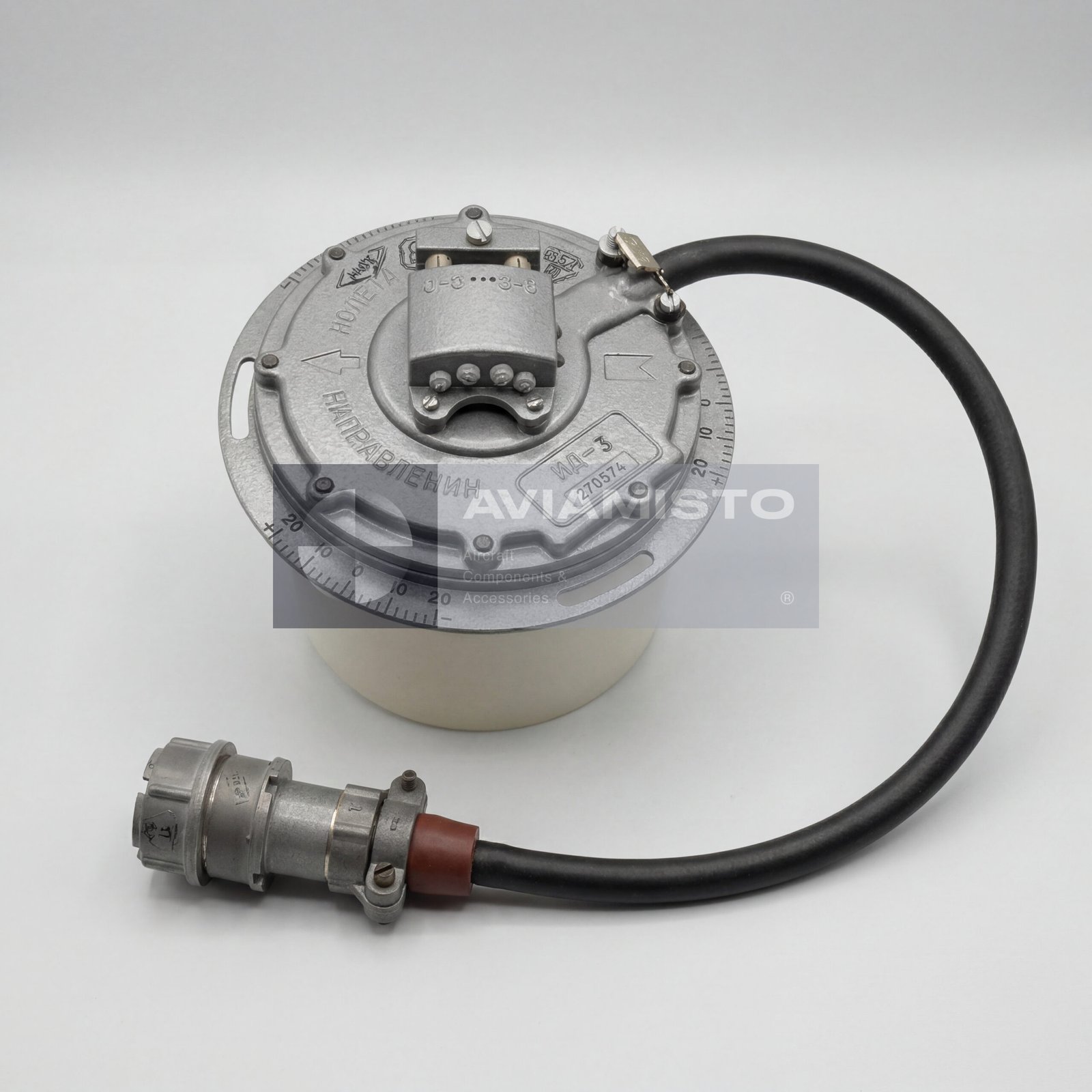
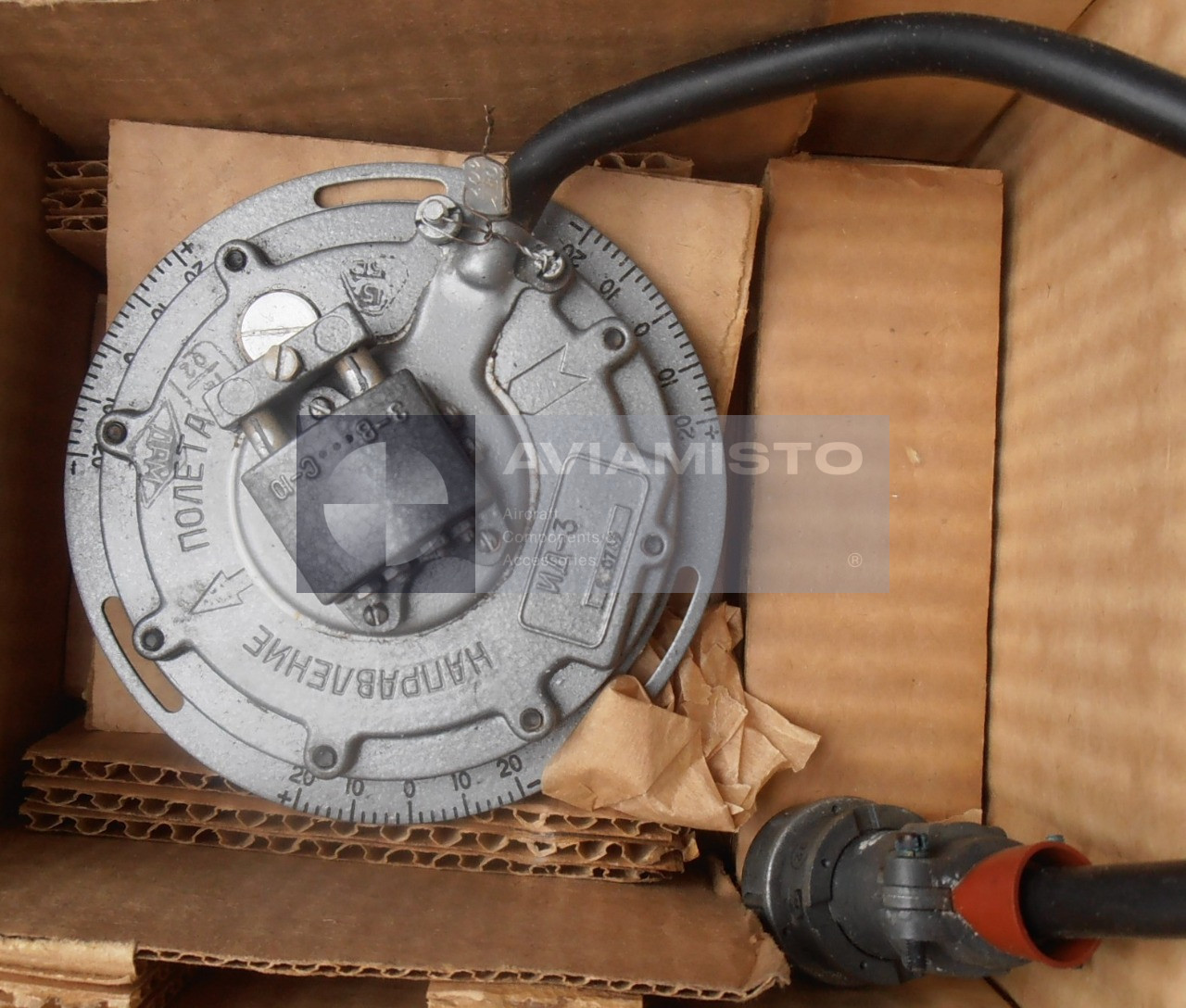
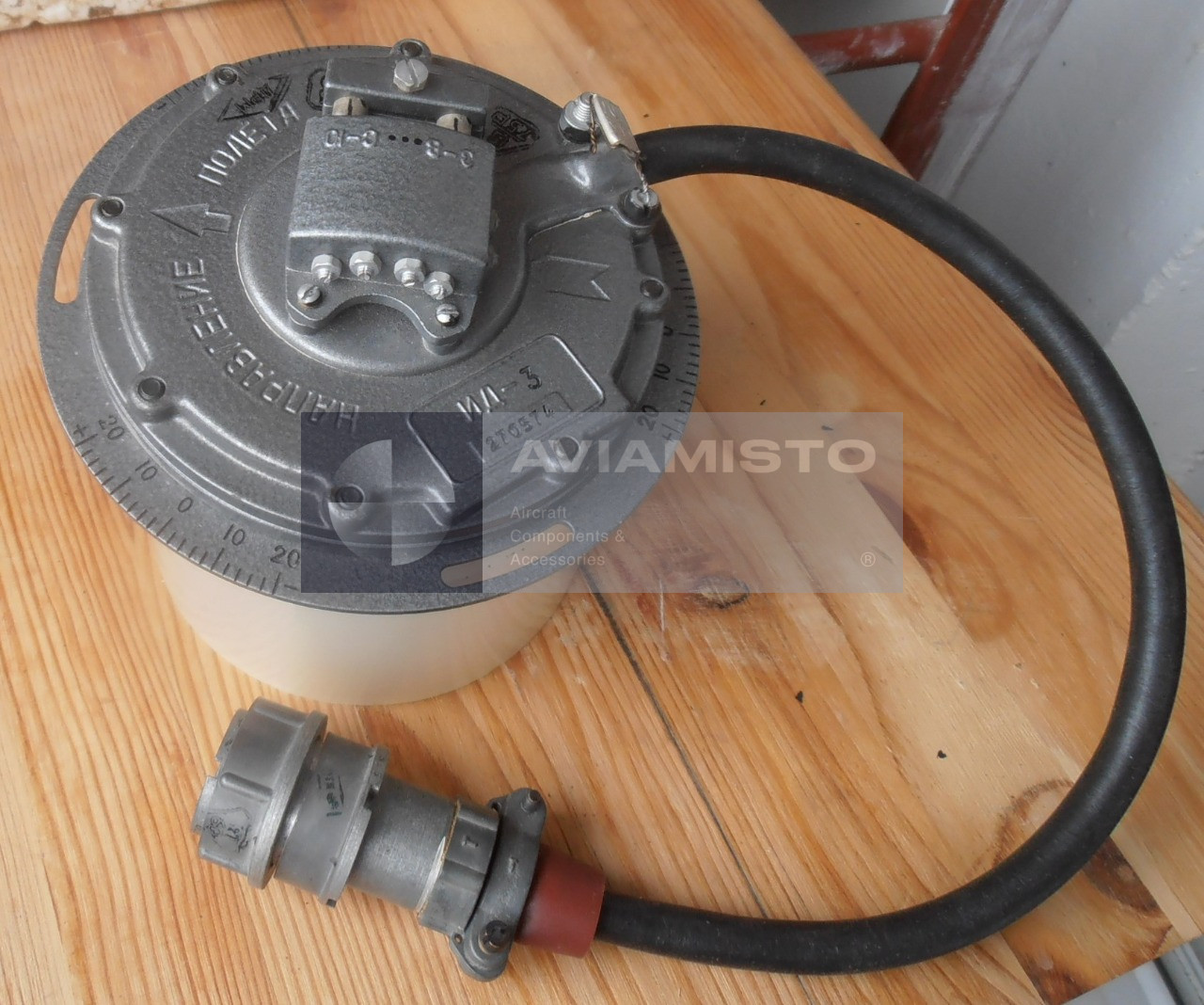
The ID-3 is an induction magnetic sensor used as the primary magnetic sensing element in GMK-1 aircraft heading systems, including GMK-1A and GMK-1G versions. The sensor detects the direction of the horizontal component of the Earth’s magnetic field relative to the aircraft longitudinal axis. Its signal is then used by the heading system for magnetic correction and initial alignment. The ID-3 does not display heading to the crew by itself. It works inside the GMK-1 system and sends magnetic course information to the correction and gyro units.
The ID-3 provides the magnetic reference used by the heading system. In magnetic correction mode, this reference helps correct accumulated azimuth drift of the gyro unit, such as the GA-6. During normal system operation, the gyro keeps the heading indication stable, while the ID-3 supplies long-term magnetic correction. This is important because a pure gyro reference drifts over time, and a raw magnetic signal can be unstable during aircraft maneuvering. The ID-3 gives the system the magnetic link needed to keep the heading reference tied to the Earth’s magnetic field.
Inside the ID-3 is an induction triangle made of three ferromagnetic probes mounted at equal angular spacing. These probes are excited by AC current, and the Earth’s magnetic field changes the magnetic condition of their cores. As a result, an electrical signal is induced in the output windings. The signal corresponds to the aircraft’s angular position relative to the magnetic meridian. This construction allows the heading system to convert the direction of the magnetic field into an electrical course signal that can be processed by the connected GMK-1 equipment.
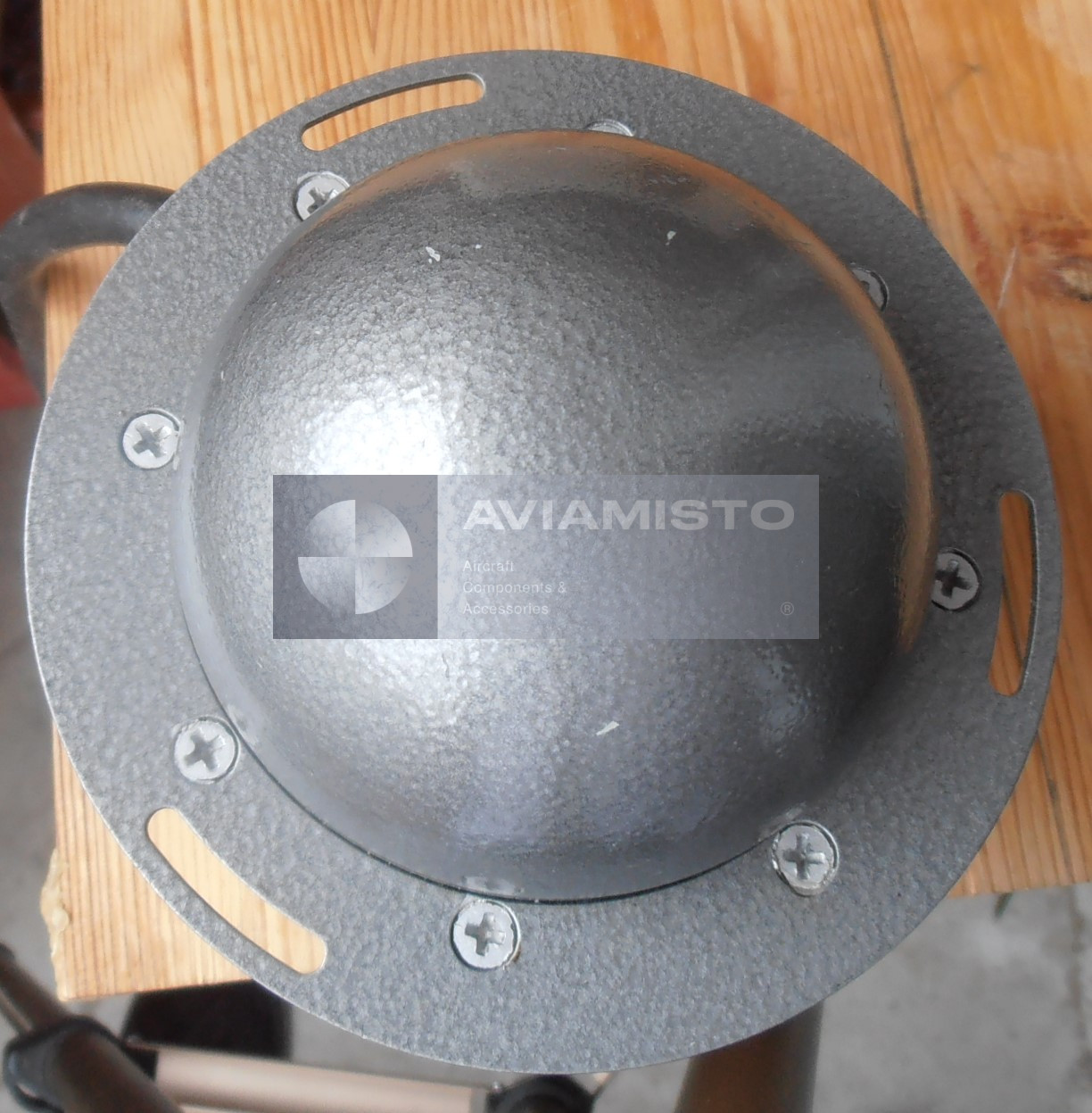
The sensing element of the ID-3 is placed on a free gimbal suspension with a pendulum weight. This keeps the induction triangle close to the horizontal plane and reduces the influence of aircraft bank and pitch within the allowed limits. The sensor body is filled with silicone-based damping liquid, which reduces pendulum oscillations during flight. Without this damping, the sensor would react too sharply to vibration and aircraft movement, and the magnetic signal would become less stable. Correct filling condition and sealing are therefore important for reliable operation.
The ID-3 is installed away from strong magnetic interference. On fixed-wing aircraft, it is usually placed in a wingtip or another magnetically cleaner airframe area. On helicopters, including Mi-8-type installations, it may be installed in the tail boom or another approved location away from power wiring, steel structures and electrical equipment. This placement is necessary because onboard magnetic fields can distort the Earth-field measurement. Remaining deviation is then compensated in the heading system, normally through the correction mechanism such as KM-8.
The ID-3 is used with GMK-1 heading systems and may also be associated with other compatible heading systems such as TKS-P, depending on aircraft configuration. In the GMK-1 set, it works together with the GA-6 gyro unit, KM-8 correction mechanism, AS-1 matching unit, PU-26 control panel and cockpit heading indicators. The sensor should be checked as part of the full heading system. A fault may appear as poor magnetic correction, unstable heading agreement, excessive deviation, slow alignment or disagreement between magnetic and gyro channels.
When ordering the ID-3, the full designation and the target heading system should be stated clearly. It is also useful to specify whether the sensor is required for GMK-1, GMK-1A, GMK-1G or another compatible system. During inspection, technicians normally check housing sealing, connector condition, suspension freedom, damping liquid condition, electrical continuity and the quality of the signal in the system. Since the sensor is sensitive to magnetic fields and mechanical condition, storage history, documentation, passport data and test results are important for aircraft use.
Product Type: Aircraft induction magnetic sensor
Designation: ID-3
Function: Detection of magnetic heading and generation of magnetic course signal
Application / Where Used: Aircraft heading systems and magnetic correction circuits
Associated Systems: GMK-1, GMK-1A, GMK-1G, TKS-P and related heading systems depending on aircraft configuration
System / Installation Area: Remote magnetic-sensor installation area; wingtip, tail boom or other low-interference zone depending on aircraft type
Role in System: Primary magnetic sensing element for heading reference and gyro correction
Associated Components: GA-6 gyro unit, KM-8 correction mechanism, AS-1 matching unit, PU-26 control panel, UGR heading indicators
Sensing Element: Induction triangle with three ferromagnetic probes
Probe Arrangement: Three probes mounted at 60° relative spacing
Suspension Type: Free gimbal suspension with pendulum weight
Damping: Internal silicone-based / polymethylsiloxane damping liquid
Operating Principle: Change of magnetic flux in excited probe cores under the Earth’s magnetic field, with induced output signal in signal windings
Excitation Voltage: 1.5 ±0.1 V
Excitation Frequency: 400 ±8 Hz
Current Consumption: Not more than 0.15 A
Sensor Error: Not more than ±2° at specified magnetic field conditions
Reference Magnetic Field Condition: Horizontal component of the Earth’s magnetic field H = 0.17 Oe
Permissible Bank Angle: ±15°
Deviation Compensation Range: Approximately ±6° to ±12° depending on associated correction equipment and installation
Operating Temperature Range: −60 to +75 °C
Shock Resistance: Up to 4 g at 40–80 impacts per minute
Housing: Sealed body protected against dust and moisture ingress
Weight: Not more than 0.7 kg
Assigned Service Life: 2500 operating hours
Calendar Service Life: 15 years
Storage Life: 5 years
Technical Documentation: Product passport, heading system documentation, aircraft maintenance documentation and deviation compensation records as applicable
All shipments are carried out from our international warehouse in Dubai (UAE), as well as from our partners’ remote warehouses.
In Stock — items available in stock at the Dubai warehouse are dispatched within 5–10 business days after receiving 100% prepayment.
Remote Stock — items available at our partners’ remote warehouses are supplied within an average of 30–45 business days after receiving 100% prepayment.
Pre-Order — made-to-order products are manufactured and delivered within an average of 45–60 business days. Payment terms: 50% advance payment to start production, with the remaining 50% paid before dispatch from the Dubai warehouse after full readiness for shipment.
Returns & Changes (Restocking Fee)
For selected items, a RESTOCKING FEE of 10% may apply in case of return, order cancellation, or changes to the order specifications. This condition applies only to certain products and is confirmed at the order approval stage.
Warranty
All products are covered by a standard 6-month warranty.
Extended warranty is available upon request and is agreed individually; it may affect the final product price.
The ID-3 is an induction magnetic sensor used as the primary magnetic sensing element in GMK-1 aircraft heading systems, including GMK-1A and GMK-1G versions. The sensor detects the direction of the horizontal component of the Earth’s magnetic field relative to the aircraft longitudinal axis. Its signal is then used by the heading system for magnetic correction and initial alignment. The ID-3 does not display heading to the crew by itself. It works inside the GMK-1 system and sends magnetic course information to the correction and gyro units.
The ID-3 provides the magnetic reference used by the heading system. In magnetic correction mode, this reference helps correct accumulated azimuth drift of the gyro unit, such as the GA-6. During normal system operation, the gyro keeps the heading indication stable, while the ID-3 supplies long-term magnetic correction. This is important because a pure gyro reference drifts over time, and a raw magnetic signal can be unstable during aircraft maneuvering. The ID-3 gives the system the magnetic link needed to keep the heading reference tied to the Earth’s magnetic field.
Inside the ID-3 is an induction triangle made of three ferromagnetic probes mounted at equal angular spacing. These probes are excited by AC current, and the Earth’s magnetic field changes the magnetic condition of their cores. As a result, an electrical signal is induced in the output windings. The signal corresponds to the aircraft’s angular position relative to the magnetic meridian. This construction allows the heading system to convert the direction of the magnetic field into an electrical course signal that can be processed by the connected GMK-1 equipment.
The sensing element of the ID-3 is placed on a free gimbal suspension with a pendulum weight. This keeps the induction triangle close to the horizontal plane and reduces the influence of aircraft bank and pitch within the allowed limits. The sensor body is filled with silicone-based damping liquid, which reduces pendulum oscillations during flight. Without this damping, the sensor would react too sharply to vibration and aircraft movement, and the magnetic signal would become less stable. Correct filling condition and sealing are therefore important for reliable operation.
The ID-3 is installed away from strong magnetic interference. On fixed-wing aircraft, it is usually placed in a wingtip or another magnetically cleaner airframe area. On helicopters, including Mi-8-type installations, it may be installed in the tail boom or another approved location away from power wiring, steel structures and electrical equipment. This placement is necessary because onboard magnetic fields can distort the Earth-field measurement. Remaining deviation is then compensated in the heading system, normally through the correction mechanism such as KM-8.
The ID-3 is used with GMK-1 heading systems and may also be associated with other compatible heading systems such as TKS-P, depending on aircraft configuration. In the GMK-1 set, it works together with the GA-6 gyro unit, KM-8 correction mechanism, AS-1 matching unit, PU-26 control panel and cockpit heading indicators. The sensor should be checked as part of the full heading system. A fault may appear as poor magnetic correction, unstable heading agreement, excessive deviation, slow alignment or disagreement between magnetic and gyro channels.
When ordering the ID-3, the full designation and the target heading system should be stated clearly. It is also useful to specify whether the sensor is required for GMK-1, GMK-1A, GMK-1G or another compatible system. During inspection, technicians normally check housing sealing, connector condition, suspension freedom, damping liquid condition, electrical continuity and the quality of the signal in the system. Since the sensor is sensitive to magnetic fields and mechanical condition, storage history, documentation, passport data and test results are important for aircraft use.
Product Type: Aircraft induction magnetic sensor
Designation: ID-3
Function: Detection of magnetic heading and generation of magnetic course signal
Application / Where Used: Aircraft heading systems and magnetic correction circuits
Associated Systems: GMK-1, GMK-1A, GMK-1G, TKS-P and related heading systems depending on aircraft configuration
System / Installation Area: Remote magnetic-sensor installation area; wingtip, tail boom or other low-interference zone depending on aircraft type
Role in System: Primary magnetic sensing element for heading reference and gyro correction
Associated Components: GA-6 gyro unit, KM-8 correction mechanism, AS-1 matching unit, PU-26 control panel, UGR heading indicators
Sensing Element: Induction triangle with three ferromagnetic probes
Probe Arrangement: Three probes mounted at 60° relative spacing
Suspension Type: Free gimbal suspension with pendulum weight
Damping: Internal silicone-based / polymethylsiloxane damping liquid
Operating Principle: Change of magnetic flux in excited probe cores under the Earth’s magnetic field, with induced output signal in signal windings
Excitation Voltage: 1.5 ±0.1 V
Excitation Frequency: 400 ±8 Hz
Current Consumption: Not more than 0.15 A
Sensor Error: Not more than ±2° at specified magnetic field conditions
Reference Magnetic Field Condition: Horizontal component of the Earth’s magnetic field H = 0.17 Oe
Permissible Bank Angle: ±15°
Deviation Compensation Range: Approximately ±6° to ±12° depending on associated correction equipment and installation
Operating Temperature Range: −60 to +75 °C
Shock Resistance: Up to 4 g at 40–80 impacts per minute
Housing: Sealed body protected against dust and moisture ingress
Weight: Not more than 0.7 kg
Assigned Service Life: 2500 operating hours
Calendar Service Life: 15 years
Storage Life: 5 years
Technical Documentation: Product passport, heading system documentation, aircraft maintenance documentation and deviation compensation records as applicable
All shipments are carried out from our international warehouse in Dubai (UAE), as well as from our partners’ remote warehouses.
In Stock — items available in stock at the Dubai warehouse are dispatched within 5–10 business days after receiving 100% prepayment.
Remote Stock — items available at our partners’ remote warehouses are supplied within an average of 30–45 business days after receiving 100% prepayment.
Pre-Order — made-to-order products are manufactured and delivered within an average of 45–60 business days. Payment terms: 50% advance payment to start production, with the remaining 50% paid before dispatch from the Dubai warehouse after full readiness for shipment.
Returns & Changes (Restocking Fee)
For selected items, a RESTOCKING FEE of 10% may apply in case of return, order cancellation, or changes to the order specifications. This condition applies only to certain products and is confirmed at the order approval stage.
Warranty
All products are covered by a standard 6-month warranty.
Extended warranty is available upon request and is agreed individually; it may affect the final product price.
Do you really want to log out?