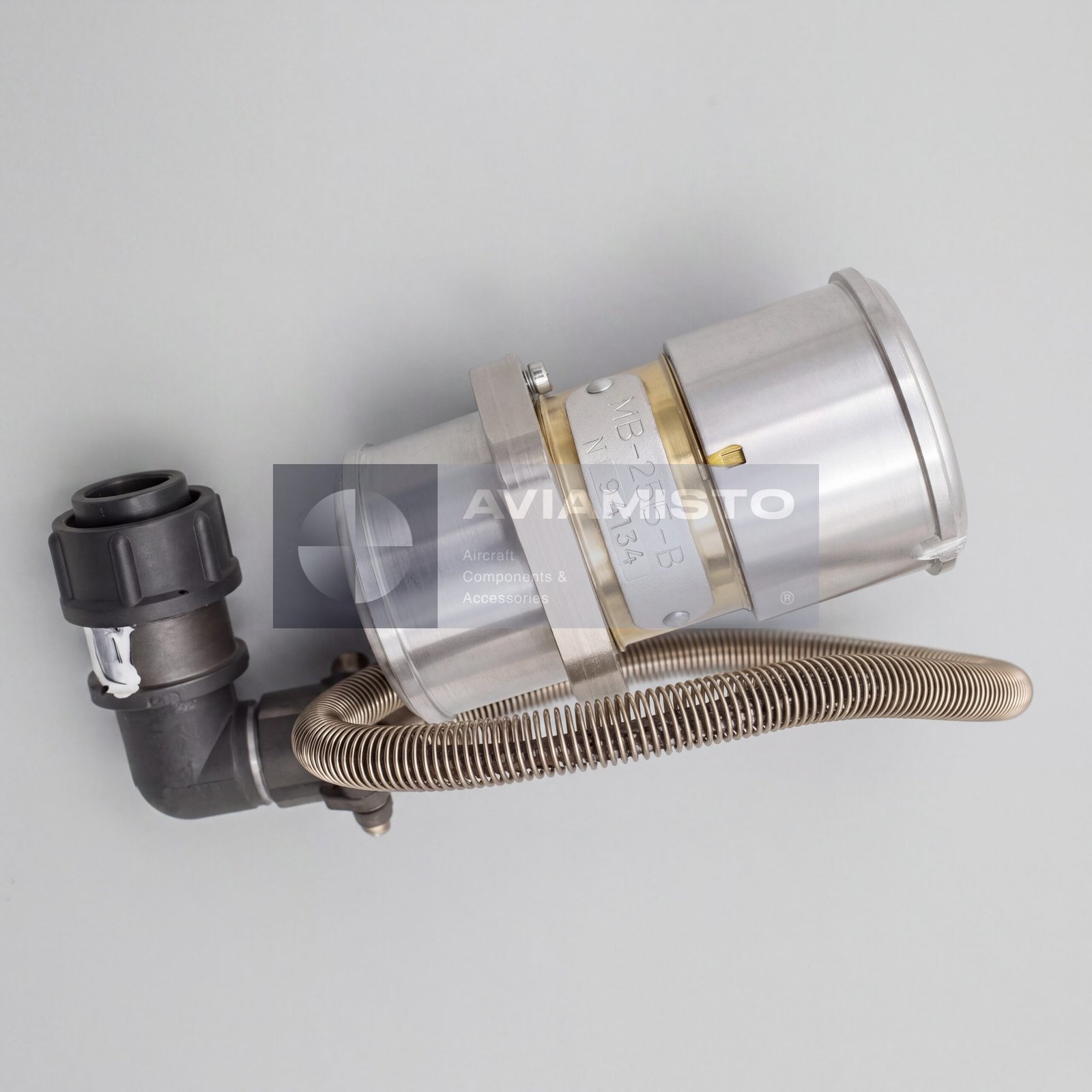
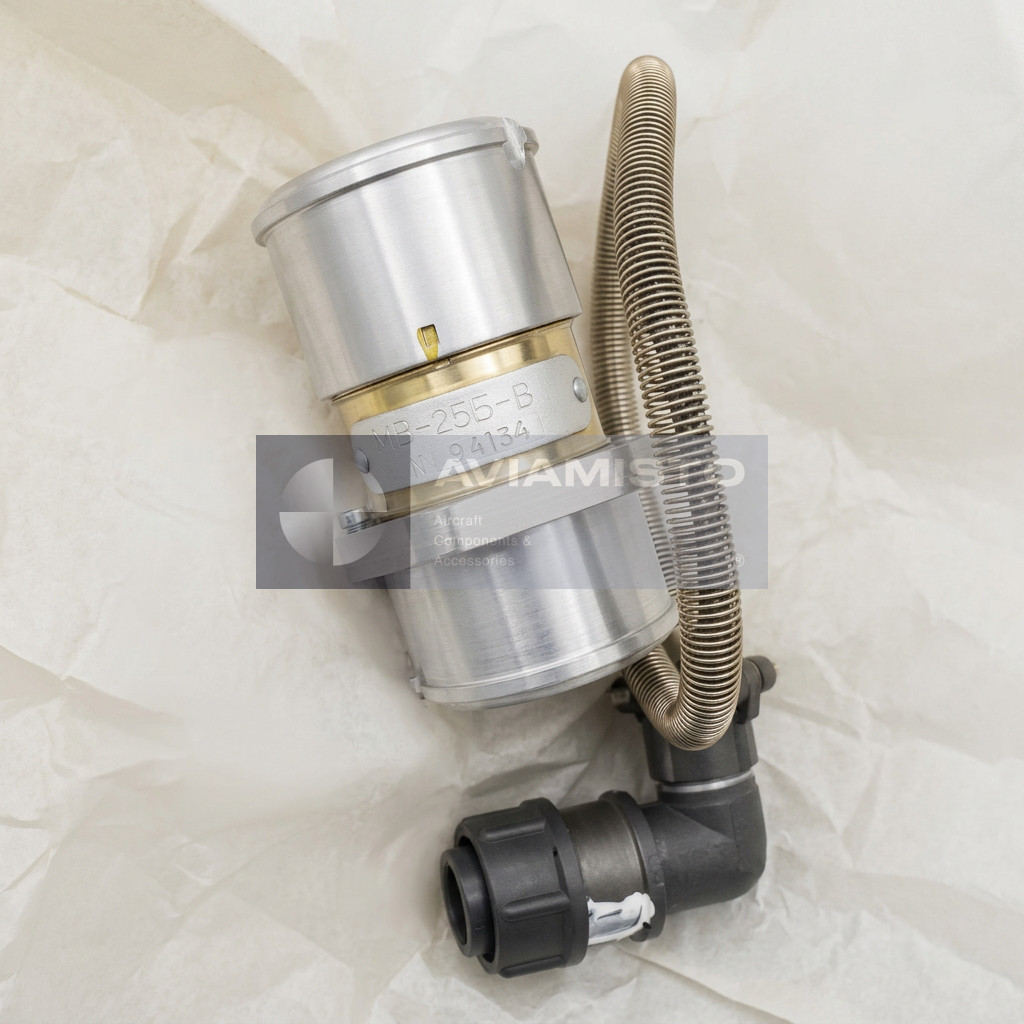
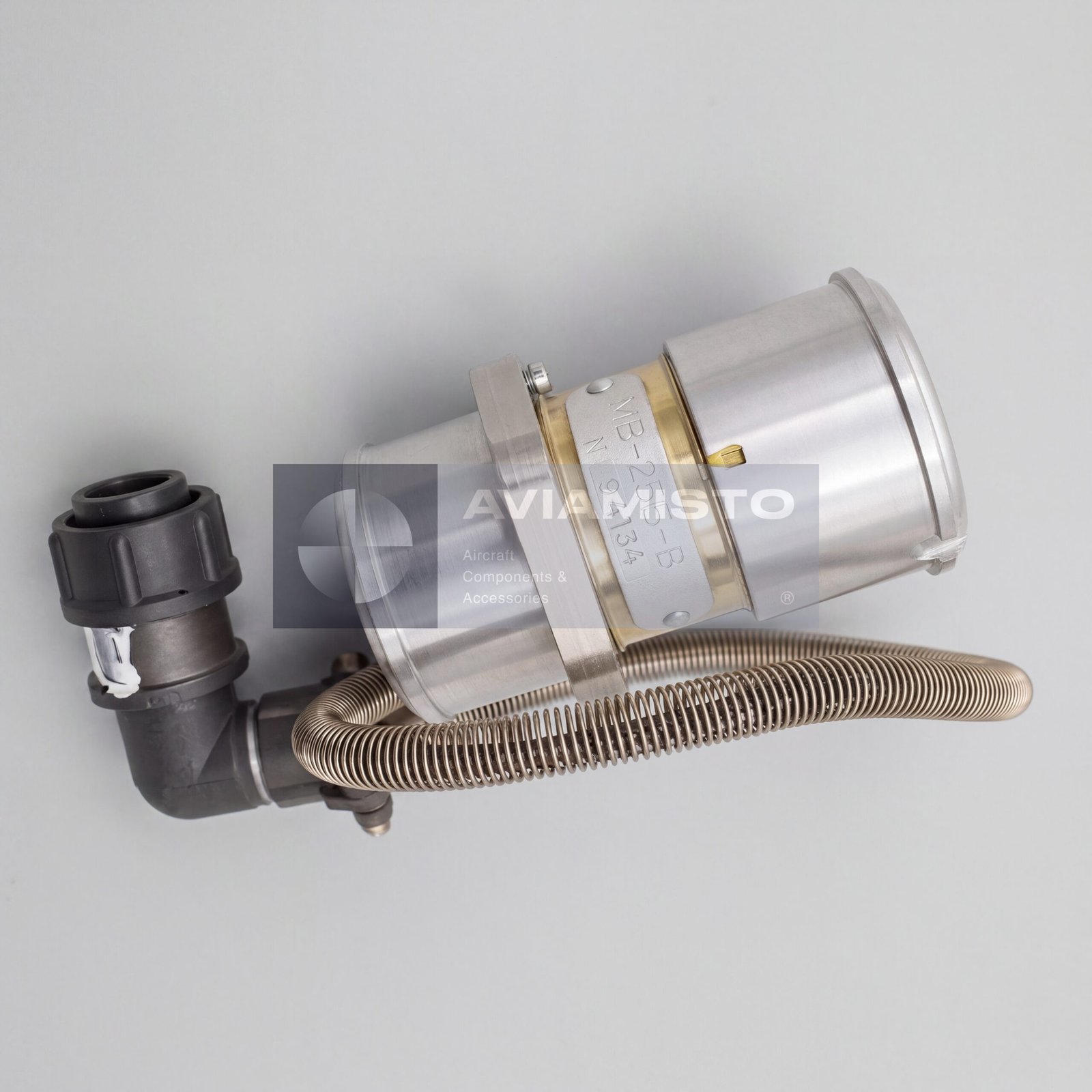
MV-25B-V Vibration Sensor
×

Login by Email

Custom order 0
Back to catalog
PRE-ORDER
PRE-ORDER

vibration sensor

MV-25B-V

Condition:New
Warranty:6 Months
Qty:1
YOM:2025 / 2026
Price on request
Price on request

Description

MV-25B-V aircraft vibration sensor

MV-25B-V is a specialized aircraft vibration sensor used in onboard vibration monitoring systems for aircraft engines and related structures. The sensor converts mechanical oscillations of the monitored object into a proportional electrical signal. In the supplied context, MV-25B-V is associated with Il-76 aircraft and D-30KP engine installations, where it works as part of onboard vibration monitoring equipment. The sensor is used to monitor engine condition and provide the crew with information about abnormal vibration levels.

Function of MV-25B-V in vibration monitoring

The main function of MV-25B-V is continuous measurement of low-frequency vibration parameters from aircraft engines, gearboxes, auxiliary power units or airframe structures, depending on installation. The sensor generates an electrical signal that is processed by vibration monitoring equipment such as IV-200, IV-41, IV-500 or similar systems. These systems use the signal to assess vibration severity, identify exceedances and support early detection of rotor imbalance, bearing defects or other mechanical faults in rotating assemblies.

Inductive operating principle of MV-25B-V

MV-25B-V is described as an electromechanical / magnetoelectric inductive vibration transducer. Inside the housing, a coil and moving inertial mass with a permanent magnet are arranged on centering springs. When the monitored structure vibrates, relative movement inside the sensor generates an AC electrical signal. The amplitude and frequency of this signal are proportional to the vibration parameters. This operating principle makes the sensor suitable for low-frequency vibration measurement on aircraft gas turbine engines and related equipment.

Installation on Il-76 and D-30KP engines

According to the supplied context, MV-25B-V sensors are installed directly on the housings of D-30KP turbojet engines used on Il-76 aircraft. Two sensors may be installed on each main engine: one in the compressor support area and one in the turbine support area. This arrangement allows monitoring of vibration from both front and rear rotor support zones. For a four-engine Il-76 configuration, the source context mentions eight MV-25B-V sensors in total, depending on aircraft and system documentation.

Associated onboard equipment

The MV-25B-V sensor forms part of a complete measurement chain. Signals from the engine-mounted sensors are routed through aircraft wiring to electronic processing units such as BE-6-6, which amplify and filter the sensor output. The processed information is then displayed in the cockpit on a vibration indicator such as UK-68V. When vibration exceeds allowable limits, warning indication may be provided to the crew. Exact equipment composition, wiring route and threshold logic must be confirmed by the applicable aircraft documentation.

Identification and ordering of MV-25B-V

Before ordering MV-25B-V, the buyer should confirm the aircraft type, engine type, vibration monitoring system, required quantity, connector version, mounting type and documentation requirements. It is also important to distinguish MV-25B-V from related MV-series sensors, including MV-26B-V. The sensor may be required for engine vibration monitoring repair, replacement of a defective transducer, scheduled maintenance stock or support of Il-76 / D-30KP operation. Product passport, inspection records and calibration / test documentation should be agreed before shipment.

Details

Product Type: Aircraft vibration sensor / inductive vibration transducer
Designation: MV-25B-V
Russian Designation: МВ-25Б-В
Alternative Designations: MV25B-V, MV-25B, МВ25Б-В, МВ-25Б
Alternative Product Names: Vibration sensor, vibration transducer, vibration velocity sensor, inductive vibration sensor, magnetoelectric vibration sensor
Function: Conversion of mechanical vibration into a proportional electrical signal for onboard vibration monitoring equipment
Application / Where Used: Aircraft engine vibration monitoring systems
System / Installation Area: Engine-mounted vibration sensor locations and onboard vibration monitoring circuits
Compatible Aircraft / Equipment: Il-76 aircraft according to source context and documentation
Associated Engines: D-30KP turbojet engines and modifications according to source context
Associated Monitoring Equipment: IV-200, IV-41, IV-500 and IV-200K-2 type vibration monitoring systems according to source context
Associated Electronic Unit: BE-6-6 signal processing unit according to source context
Associated Cockpit Indicator: UK-68V combined vibration indicator according to source context
Controlled Parameter: Vibration velocity / vibration displacement; mechanical oscillations converted into proportional EMF according to source context
Operating Principle: Magnetoelectric / inductive electromechanical conversion
Internal Construction: Coil and moving inertial mass with permanent magnet on centering springs according to source context
Operating Frequency Range: 10 to 300–400 Hz according to source context
Natural Frequency Reference: Approximately 10 Hz according to source context
Controlled Vibration Velocity Range: 0 to 100 mm/s according to source context
Output Signal: AC electrical signal with amplitude and frequency proportional to vibration parameters
Coil Resistance: Depends on modification; typically several hundred ohms according to source context
Construction: Sealed, vibration-resistant and heat-resistant housing
Housing Material: High-strength corrosion-resistant steel or special alloy according to source context
Connector Interface: Sealed plug connector integrated into upper part of housing according to source context
Mounting Type: Flange mounting, triangular or round base depending on version
Mounting Location: Compressor support area and turbine support area of the engine according to source context
Quantity per Il-76 Reference: Up to 8 sensors per aircraft, two per engine, according to source context
Operating Temperature Range: −60 °C to +150 °C; short-term higher values depending on engine installation zone according to source context
Environmental Resistance: Dust, moisture, aviation oils and fuel exposure according to source context
Condition: New / As-Stored / Overhauled / Serviceable, depending on availability
Technical Documentation: Product passport, engine documentation, vibration monitoring system documentation, wiring diagram, calibration records and test documents if available

Payment & delivery

All shipments are carried out from our international warehouse in Dubai (UAE), as well as from our partners’ remote warehouses.

In Stock — items available in stock at the Dubai warehouse are dispatched within 5–10 business days after receiving 100% prepayment.

Remote Stock — items available at our partners’ remote warehouses are supplied within an average of 30–45 business days after receiving 100% prepayment.

Pre-Order — made-to-order products are manufactured and delivered within an average of 45–60 business days. Payment terms: 50% advance payment to start production, with the remaining 50% paid before dispatch from the Dubai warehouse after full readiness for shipment.

Returns & Changes (Restocking Fee)
For selected items, a RESTOCKING FEE of 10% may apply in case of return, order cancellation, or changes to the order specifications. This condition applies only to certain products and is confirmed at the order approval stage.

Warranty
All products are covered by a standard 6-month warranty.
Extended warranty is available upon request and is agreed individually; it may affect the final product price.

  • Description
  • Details
  • Payment & delivery

MV-25B-V aircraft vibration sensor

MV-25B-V is a specialized aircraft vibration sensor used in onboard vibration monitoring systems for aircraft engines and related structures. The sensor converts mechanical oscillations of the monitored object into a proportional electrical signal. In the supplied context, MV-25B-V is associated with Il-76 aircraft and D-30KP engine installations, where it works as part of onboard vibration monitoring equipment. The sensor is used to monitor engine condition and provide the crew with information about abnormal vibration levels.

Function of MV-25B-V in vibration monitoring

The main function of MV-25B-V is continuous measurement of low-frequency vibration parameters from aircraft engines, gearboxes, auxiliary power units or airframe structures, depending on installation. The sensor generates an electrical signal that is processed by vibration monitoring equipment such as IV-200, IV-41, IV-500 or similar systems. These systems use the signal to assess vibration severity, identify exceedances and support early detection of rotor imbalance, bearing defects or other mechanical faults in rotating assemblies.

Inductive operating principle of MV-25B-V

MV-25B-V is described as an electromechanical / magnetoelectric inductive vibration transducer. Inside the housing, a coil and moving inertial mass with a permanent magnet are arranged on centering springs. When the monitored structure vibrates, relative movement inside the sensor generates an AC electrical signal. The amplitude and frequency of this signal are proportional to the vibration parameters. This operating principle makes the sensor suitable for low-frequency vibration measurement on aircraft gas turbine engines and related equipment.

Installation on Il-76 and D-30KP engines

According to the supplied context, MV-25B-V sensors are installed directly on the housings of D-30KP turbojet engines used on Il-76 aircraft. Two sensors may be installed on each main engine: one in the compressor support area and one in the turbine support area. This arrangement allows monitoring of vibration from both front and rear rotor support zones. For a four-engine Il-76 configuration, the source context mentions eight MV-25B-V sensors in total, depending on aircraft and system documentation.

Associated onboard equipment

The MV-25B-V sensor forms part of a complete measurement chain. Signals from the engine-mounted sensors are routed through aircraft wiring to electronic processing units such as BE-6-6, which amplify and filter the sensor output. The processed information is then displayed in the cockpit on a vibration indicator such as UK-68V. When vibration exceeds allowable limits, warning indication may be provided to the crew. Exact equipment composition, wiring route and threshold logic must be confirmed by the applicable aircraft documentation.

Identification and ordering of MV-25B-V

Before ordering MV-25B-V, the buyer should confirm the aircraft type, engine type, vibration monitoring system, required quantity, connector version, mounting type and documentation requirements. It is also important to distinguish MV-25B-V from related MV-series sensors, including MV-26B-V. The sensor may be required for engine vibration monitoring repair, replacement of a defective transducer, scheduled maintenance stock or support of Il-76 / D-30KP operation. Product passport, inspection records and calibration / test documentation should be agreed before shipment.

Product Type: Aircraft vibration sensor / inductive vibration transducer
Designation: MV-25B-V
Russian Designation: МВ-25Б-В
Alternative Designations: MV25B-V, MV-25B, МВ25Б-В, МВ-25Б
Alternative Product Names: Vibration sensor, vibration transducer, vibration velocity sensor, inductive vibration sensor, magnetoelectric vibration sensor
Function: Conversion of mechanical vibration into a proportional electrical signal for onboard vibration monitoring equipment
Application / Where Used: Aircraft engine vibration monitoring systems
System / Installation Area: Engine-mounted vibration sensor locations and onboard vibration monitoring circuits
Compatible Aircraft / Equipment: Il-76 aircraft according to source context and documentation
Associated Engines: D-30KP turbojet engines and modifications according to source context
Associated Monitoring Equipment: IV-200, IV-41, IV-500 and IV-200K-2 type vibration monitoring systems according to source context
Associated Electronic Unit: BE-6-6 signal processing unit according to source context
Associated Cockpit Indicator: UK-68V combined vibration indicator according to source context
Controlled Parameter: Vibration velocity / vibration displacement; mechanical oscillations converted into proportional EMF according to source context
Operating Principle: Magnetoelectric / inductive electromechanical conversion
Internal Construction: Coil and moving inertial mass with permanent magnet on centering springs according to source context
Operating Frequency Range: 10 to 300–400 Hz according to source context
Natural Frequency Reference: Approximately 10 Hz according to source context
Controlled Vibration Velocity Range: 0 to 100 mm/s according to source context
Output Signal: AC electrical signal with amplitude and frequency proportional to vibration parameters
Coil Resistance: Depends on modification; typically several hundred ohms according to source context
Construction: Sealed, vibration-resistant and heat-resistant housing
Housing Material: High-strength corrosion-resistant steel or special alloy according to source context
Connector Interface: Sealed plug connector integrated into upper part of housing according to source context
Mounting Type: Flange mounting, triangular or round base depending on version
Mounting Location: Compressor support area and turbine support area of the engine according to source context
Quantity per Il-76 Reference: Up to 8 sensors per aircraft, two per engine, according to source context
Operating Temperature Range: −60 °C to +150 °C; short-term higher values depending on engine installation zone according to source context
Environmental Resistance: Dust, moisture, aviation oils and fuel exposure according to source context
Condition: New / As-Stored / Overhauled / Serviceable, depending on availability
Technical Documentation: Product passport, engine documentation, vibration monitoring system documentation, wiring diagram, calibration records and test documents if available

All shipments are carried out from our international warehouse in Dubai (UAE), as well as from our partners’ remote warehouses.

In Stock — items available in stock at the Dubai warehouse are dispatched within 5–10 business days after receiving 100% prepayment.

Remote Stock — items available at our partners’ remote warehouses are supplied within an average of 30–45 business days after receiving 100% prepayment.

Pre-Order — made-to-order products are manufactured and delivered within an average of 45–60 business days. Payment terms: 50% advance payment to start production, with the remaining 50% paid before dispatch from the Dubai warehouse after full readiness for shipment.

Returns & Changes (Restocking Fee)
For selected items, a RESTOCKING FEE of 10% may apply in case of return, order cancellation, or changes to the order specifications. This condition applies only to certain products and is confirmed at the order approval stage.

Warranty
All products are covered by a standard 6-month warranty.
Extended warranty is available upon request and is agreed individually; it may affect the final product price.

Didn’t find the parts you need? Contact us — we will assist in sourcing them.

Send your request — we will provide availability, lead time, pricing, and delivery details.
Share