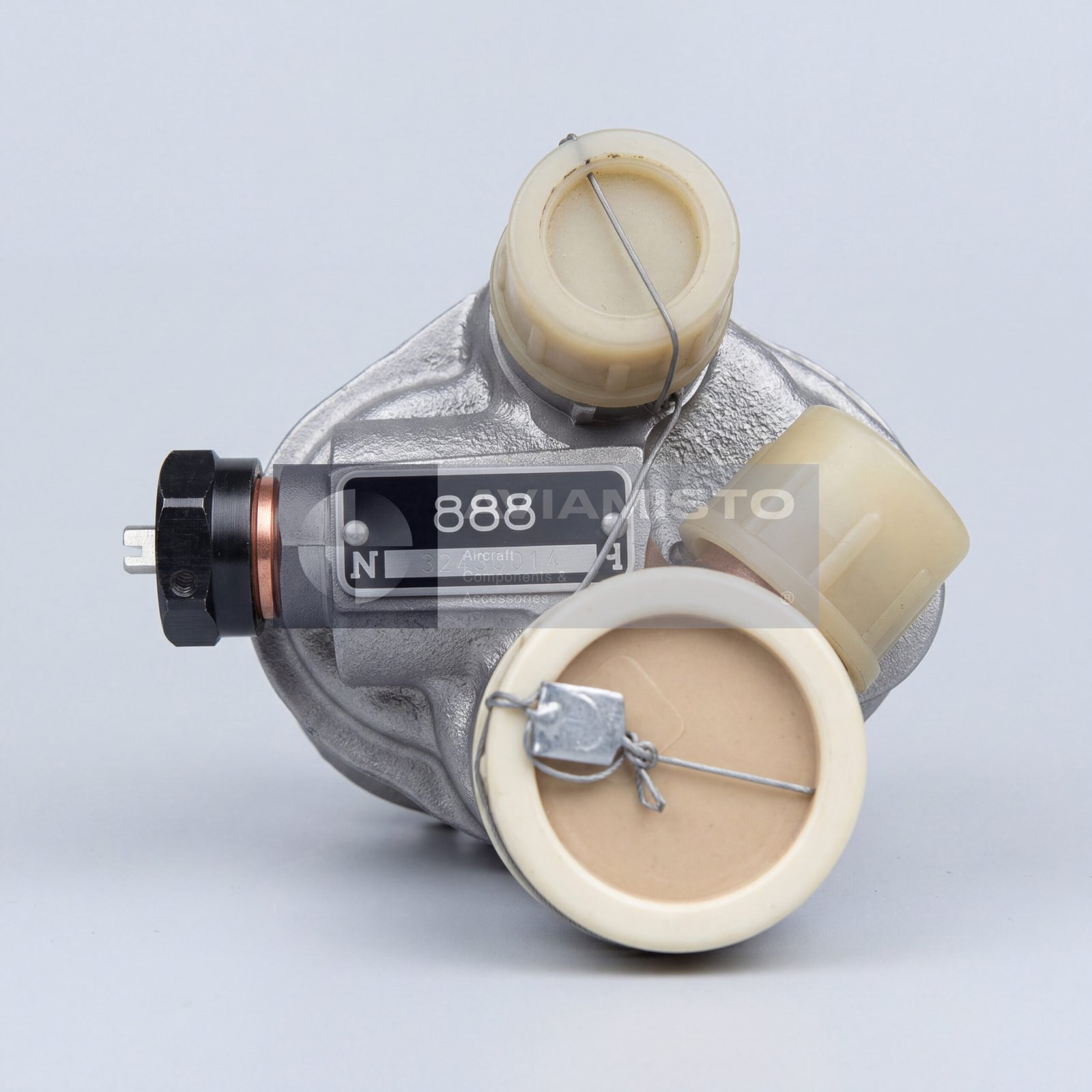
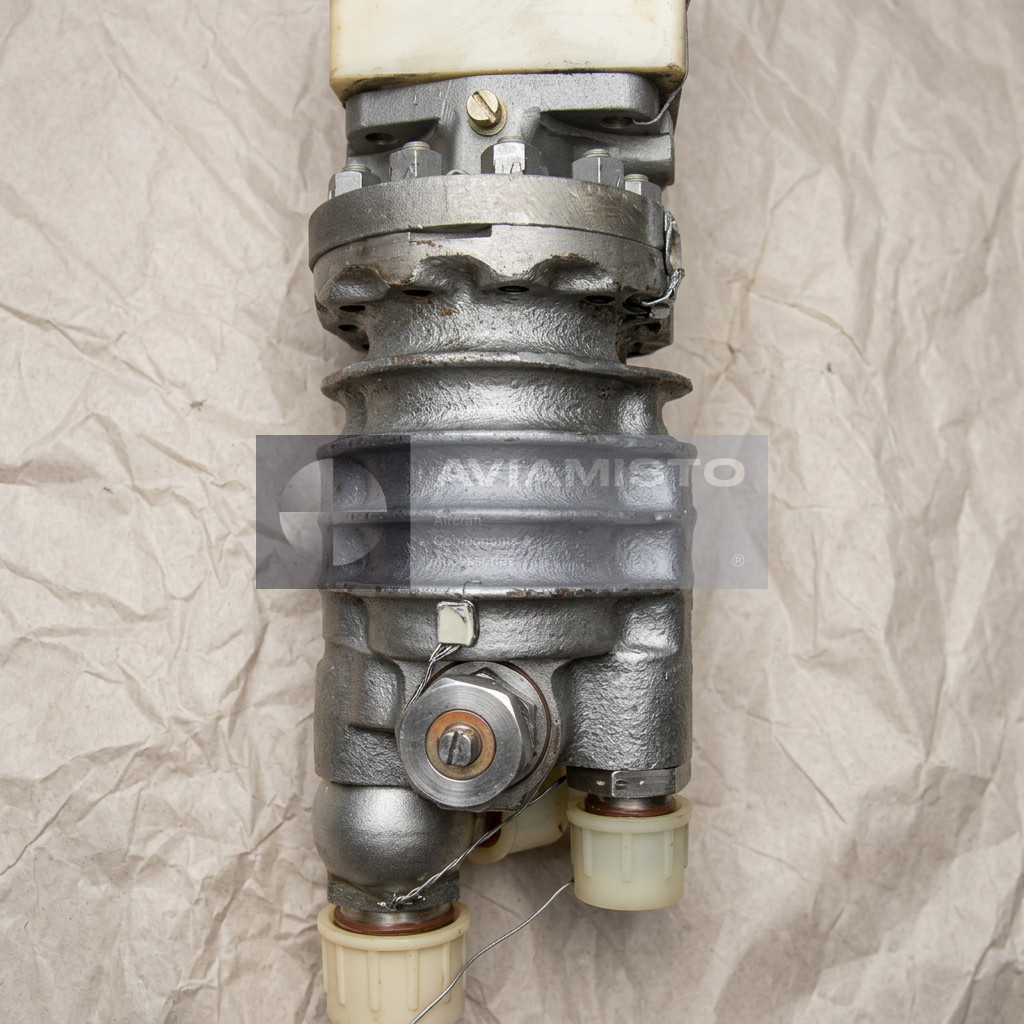
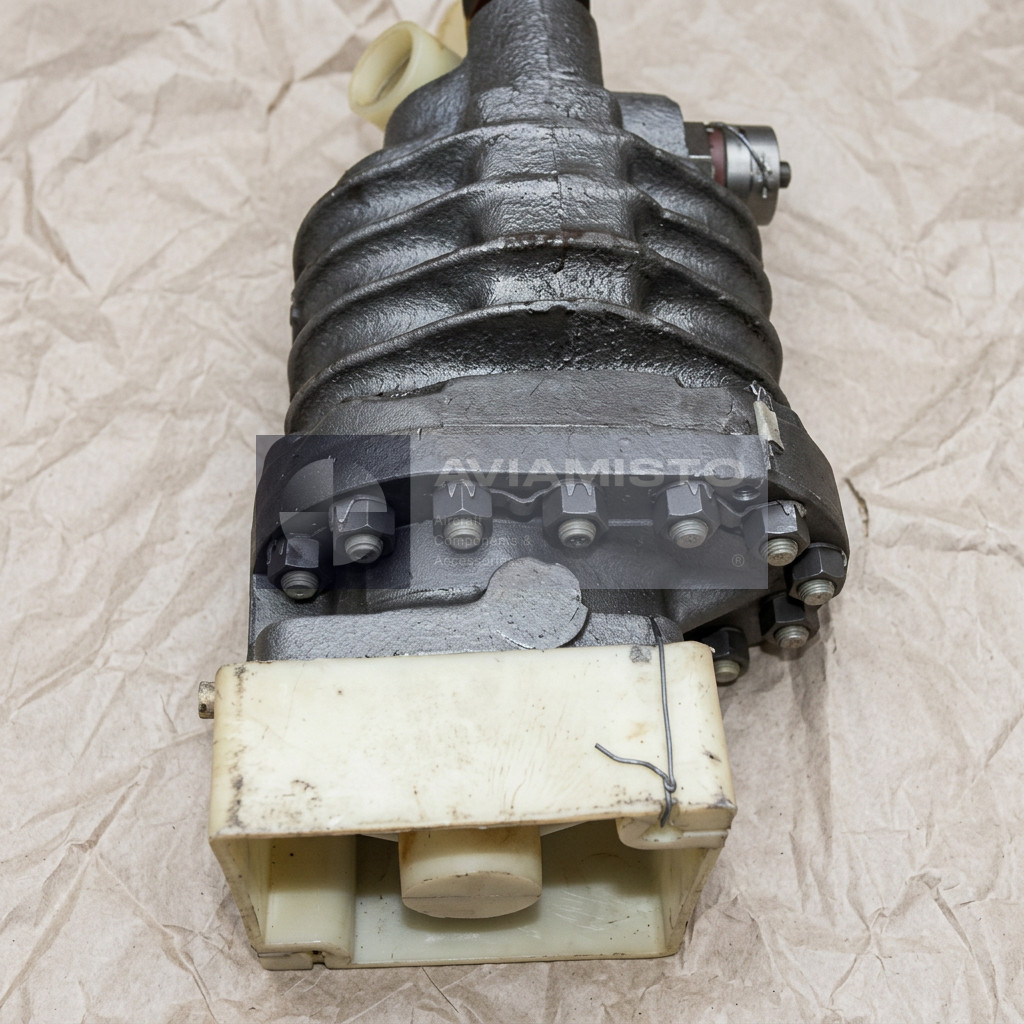
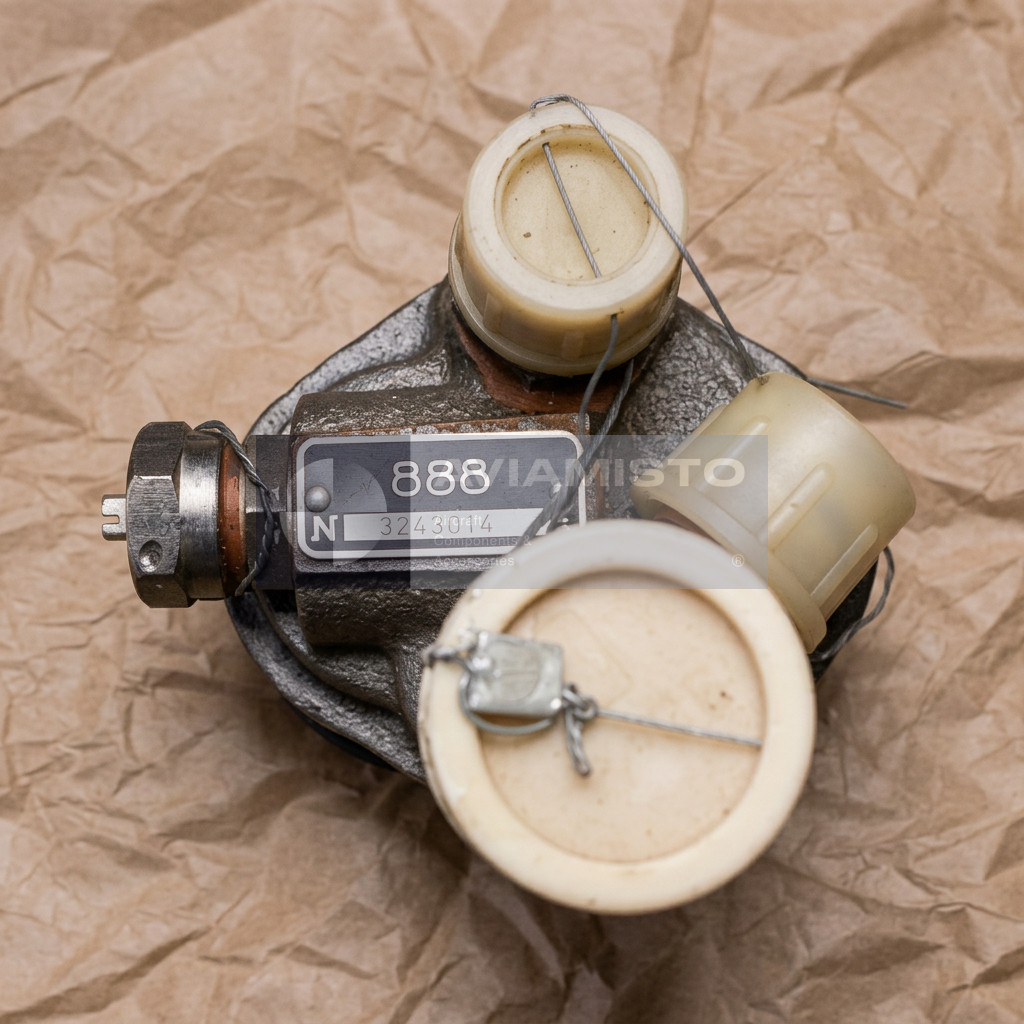
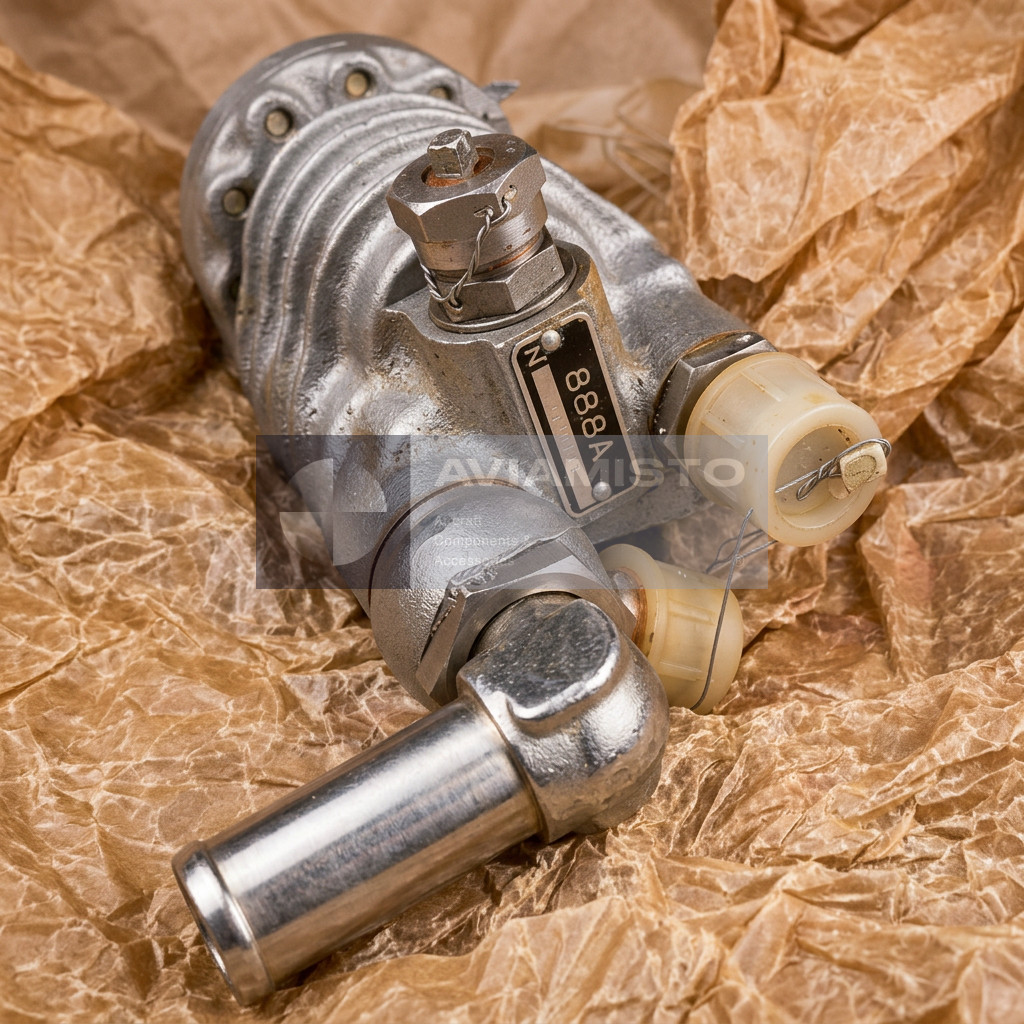
888 Fuel Pump for AI-20 Engine Systems
×

Login by Email

Custom order 0
Back to catalog
OUT OF STOCK
OUT OF STOCK

High-Pressure Fuel Pump

888

Condition:New
Warranty:3 Months
Price on request
Price on request

Description

888 fuel pump in the AI-20 engine fuel system

The 888 is an aircraft high-pressure fuel pump used in the fuel supply system of AI-20 turboprop engines and related powerplant installations. The pump is installed directly on the engine accessory gearbox and receives mechanical drive from the engine. Its main job is to take fuel supplied to its inlet and create the high pressure needed for the downstream fuel-control equipment. In the AI-20 fuel system, the 888 pump is not a simple transfer pump. It is one of the main units that prepares aviation kerosene for further metering and delivery to the combustion chamber.

Fuel pressure generation by the 888 pump

The 888 pump works as a mechanically driven high-pressure fuel pump. During engine operation, it supplies pressurized fuel to the fuel automation units, which then meter the required quantity according to engine mode. The pump must provide stable pressure over a wide speed range, including start-up, acceleration, steady operation and load changes. If the pump does not maintain the required pressure, the fuel-control system may not receive the flow it needs. This can affect starting, engine acceleration, stability of operation and normal fuel delivery to the injectors.

888 with the 889 boost pump

In the AI-20 fuel system, the 888 pump normally works after a low-pressure boost stage. A related 889 boost pump supplies fuel to the inlet of the 888 under positive pressure. This inlet pressure is important because the high-pressure pump should not work with air, vapor pockets or insufficient feed. A weak inlet supply can lead to cavitation, unstable delivery, overheating, increased wear or poor engine start behavior. For that reason, the condition of the 889 pump, inlet line, filters and fuel supply pressure should be checked together with the 888 pump during troubleshooting.

888 pump and KTA fuel-control unit

After the 888 pump raises fuel pressure, the fuel flow is sent to the command fuel-control unit, such as KTA-5M, KTA-5D or KTA-5G depending on engine configuration. The KTA unit meters the fuel according to engine operating mode, rotor speed and control commands. In this chain, the 888 creates pressure, while the KTA decides how much fuel is actually sent further. This separation is important: a fuel problem may come from the pump, the boost system, the KTA unit, the start automation or the injector circuit, not necessarily from one component alone.

888 during AI-20 start and engine operation

During engine start, the 888 pump supplies fuel into the system where start automation and metering units manage delivery to the starting fuel circuit. Units such as AZ-20 may work with the KTA system to control the starting fuel schedule. After the engine reaches stable operation, fuel continues through the control equipment to the fuel manifold and injectors. The pump must therefore be reliable across both low-speed and high-speed modes. Poor delivery at start can cause difficult starting, while poor delivery at operating speed can affect acceleration, power stability and engine response.

Applications of 888, 888A and 888ST

The 888, 888A and 888ST modifications are associated mainly with AI-20 turboprop engines and installations developed around this engine family. They may also be used in automated power stations based on AI-20 units, including PAES-2500-type installations. Because the pump is mechanically driven and intended for a specific fuel-system architecture, interchangeability between versions must be checked carefully. Similar names do not automatically mean identical mounting, fittings, performance or approval for a given engine. The exact version should be selected according to the engine manual and parts catalog.

Service inspection and supply of the 888 pump

The 888 pump is a precision fuel-system component. Before installation, it should be checked for housing condition, drive shaft and spline condition, mounting flange, fuel ports, rotation direction, leakage, storage state and available documents. A pump that looks clean from the outside may still have internal wear, poor plunger sealing, contamination or incorrect pressure performance. For aviation use, it is better to confirm passport status, repair history, bench-test results and compatibility with the exact AI-20 engine version or powerplant installation before shipment or installation.

Details

Product Type: Aircraft high-pressure fuel pump
Designation: 888
Alternative / Related Modifications: 888A, 888ST
Pump Type: Mechanically driven plunger-type high-pressure fuel pump
Function: Creation of high fuel pressure for engine fuel-control equipment
Application / Where Used: AI-20 turboprop engine fuel supply systems; AI-20-based powerplant installations
System / Installation Area: Engine accessory gearbox / fuel system high-pressure section
Compatible Engine / Equipment: AI-20 turboprop engine; PAES-2500 automated power stations based on AI-20 units depending on configuration
Drive Type: Mechanical drive from the aircraft engine
Direction of Rotation: Right-hand rotation when viewed from the drive shank side
Maximum Rotational Speed: Up to 5100 rpm
Inlet Fuel Pressure: Absolute pressure from 1.5 to 3.9 kgf/cm²
Maximum Discharge Pressure: Up to 120 kgf/cm² / 12 MPa
Working Medium: Aviation kerosene or other non-aggressive special fluids for approved bench / special applications
Typical Fuel Grades: RT, TS-1 aviation kerosene depending on engine documentation
Fuel Temperature Range: −60 to +80 °C
Approximate Weight: About 14.5–16 kg depending on modification and installed fittings
Approximate Dimensions: Length about 320–350 mm; maximum outside envelope about 180–220 mm depending on flanges and fittings
Associated Boost Pump: 889 fuel boost pump
Associated Fuel-Control Units: KTA-5M, KTA-5D, KTA-5G depending on engine configuration
Associated Start Automation: AZ-20 depending on engine fuel system layout
Associated Regulators: RPT-20 fuel flow regulator or RPG-20 gas regulator for gas-type modifications depending on installation
Downstream Components: Fuel manifold and engine fuel injectors
Technical Documentation: Product passport, bench-test documentation, AI-20 engine maintenance manual and fuel system documentation as applicable

Payment & delivery

All shipments are carried out from our international warehouse in Dubai (UAE), as well as from our partners’ remote warehouses.

In Stock — items available in stock at the Dubai warehouse are dispatched within 5–10 business days after receiving 100% prepayment.

Remote Stock — items available at our partners’ remote warehouses are supplied within an average of 30–45 business days after receiving 100% prepayment.

Pre-Order — made-to-order products are manufactured and delivered within an average of 45–60 business days. Payment terms: 50% advance payment to start production, with the remaining 50% paid before dispatch from the Dubai warehouse after full readiness for shipment.

Returns & Changes (Restocking Fee)
For selected items, a RESTOCKING FEE of 10% may apply in case of return, order cancellation, or changes to the order specifications. This condition applies only to certain products and is confirmed at the order approval stage.

Warranty
All products are covered by a standard 6-month warranty.
Extended warranty is available upon request and is agreed individually; it may affect the final product price.

  • Description
  • Details
  • Payment & delivery

888 fuel pump in the AI-20 engine fuel system

The 888 is an aircraft high-pressure fuel pump used in the fuel supply system of AI-20 turboprop engines and related powerplant installations. The pump is installed directly on the engine accessory gearbox and receives mechanical drive from the engine. Its main job is to take fuel supplied to its inlet and create the high pressure needed for the downstream fuel-control equipment. In the AI-20 fuel system, the 888 pump is not a simple transfer pump. It is one of the main units that prepares aviation kerosene for further metering and delivery to the combustion chamber.

Fuel pressure generation by the 888 pump

The 888 pump works as a mechanically driven high-pressure fuel pump. During engine operation, it supplies pressurized fuel to the fuel automation units, which then meter the required quantity according to engine mode. The pump must provide stable pressure over a wide speed range, including start-up, acceleration, steady operation and load changes. If the pump does not maintain the required pressure, the fuel-control system may not receive the flow it needs. This can affect starting, engine acceleration, stability of operation and normal fuel delivery to the injectors.

888 with the 889 boost pump

In the AI-20 fuel system, the 888 pump normally works after a low-pressure boost stage. A related 889 boost pump supplies fuel to the inlet of the 888 under positive pressure. This inlet pressure is important because the high-pressure pump should not work with air, vapor pockets or insufficient feed. A weak inlet supply can lead to cavitation, unstable delivery, overheating, increased wear or poor engine start behavior. For that reason, the condition of the 889 pump, inlet line, filters and fuel supply pressure should be checked together with the 888 pump during troubleshooting.

888 pump and KTA fuel-control unit

After the 888 pump raises fuel pressure, the fuel flow is sent to the command fuel-control unit, such as KTA-5M, KTA-5D or KTA-5G depending on engine configuration. The KTA unit meters the fuel according to engine operating mode, rotor speed and control commands. In this chain, the 888 creates pressure, while the KTA decides how much fuel is actually sent further. This separation is important: a fuel problem may come from the pump, the boost system, the KTA unit, the start automation or the injector circuit, not necessarily from one component alone.

888 during AI-20 start and engine operation

During engine start, the 888 pump supplies fuel into the system where start automation and metering units manage delivery to the starting fuel circuit. Units such as AZ-20 may work with the KTA system to control the starting fuel schedule. After the engine reaches stable operation, fuel continues through the control equipment to the fuel manifold and injectors. The pump must therefore be reliable across both low-speed and high-speed modes. Poor delivery at start can cause difficult starting, while poor delivery at operating speed can affect acceleration, power stability and engine response.

Applications of 888, 888A and 888ST

The 888, 888A and 888ST modifications are associated mainly with AI-20 turboprop engines and installations developed around this engine family. They may also be used in automated power stations based on AI-20 units, including PAES-2500-type installations. Because the pump is mechanically driven and intended for a specific fuel-system architecture, interchangeability between versions must be checked carefully. Similar names do not automatically mean identical mounting, fittings, performance or approval for a given engine. The exact version should be selected according to the engine manual and parts catalog.

Service inspection and supply of the 888 pump

The 888 pump is a precision fuel-system component. Before installation, it should be checked for housing condition, drive shaft and spline condition, mounting flange, fuel ports, rotation direction, leakage, storage state and available documents. A pump that looks clean from the outside may still have internal wear, poor plunger sealing, contamination or incorrect pressure performance. For aviation use, it is better to confirm passport status, repair history, bench-test results and compatibility with the exact AI-20 engine version or powerplant installation before shipment or installation.

Product Type: Aircraft high-pressure fuel pump
Designation: 888
Alternative / Related Modifications: 888A, 888ST
Pump Type: Mechanically driven plunger-type high-pressure fuel pump
Function: Creation of high fuel pressure for engine fuel-control equipment
Application / Where Used: AI-20 turboprop engine fuel supply systems; AI-20-based powerplant installations
System / Installation Area: Engine accessory gearbox / fuel system high-pressure section
Compatible Engine / Equipment: AI-20 turboprop engine; PAES-2500 automated power stations based on AI-20 units depending on configuration
Drive Type: Mechanical drive from the aircraft engine
Direction of Rotation: Right-hand rotation when viewed from the drive shank side
Maximum Rotational Speed: Up to 5100 rpm
Inlet Fuel Pressure: Absolute pressure from 1.5 to 3.9 kgf/cm²
Maximum Discharge Pressure: Up to 120 kgf/cm² / 12 MPa
Working Medium: Aviation kerosene or other non-aggressive special fluids for approved bench / special applications
Typical Fuel Grades: RT, TS-1 aviation kerosene depending on engine documentation
Fuel Temperature Range: −60 to +80 °C
Approximate Weight: About 14.5–16 kg depending on modification and installed fittings
Approximate Dimensions: Length about 320–350 mm; maximum outside envelope about 180–220 mm depending on flanges and fittings
Associated Boost Pump: 889 fuel boost pump
Associated Fuel-Control Units: KTA-5M, KTA-5D, KTA-5G depending on engine configuration
Associated Start Automation: AZ-20 depending on engine fuel system layout
Associated Regulators: RPT-20 fuel flow regulator or RPG-20 gas regulator for gas-type modifications depending on installation
Downstream Components: Fuel manifold and engine fuel injectors
Technical Documentation: Product passport, bench-test documentation, AI-20 engine maintenance manual and fuel system documentation as applicable

All shipments are carried out from our international warehouse in Dubai (UAE), as well as from our partners’ remote warehouses.

In Stock — items available in stock at the Dubai warehouse are dispatched within 5–10 business days after receiving 100% prepayment.

Remote Stock — items available at our partners’ remote warehouses are supplied within an average of 30–45 business days after receiving 100% prepayment.

Pre-Order — made-to-order products are manufactured and delivered within an average of 45–60 business days. Payment terms: 50% advance payment to start production, with the remaining 50% paid before dispatch from the Dubai warehouse after full readiness for shipment.

Returns & Changes (Restocking Fee)
For selected items, a RESTOCKING FEE of 10% may apply in case of return, order cancellation, or changes to the order specifications. This condition applies only to certain products and is confirmed at the order approval stage.

Warranty
All products are covered by a standard 6-month warranty.
Extended warranty is available upon request and is agreed individually; it may affect the final product price.

Didn’t find the parts you need? Contact us — we will assist in sourcing them.

Send your request — we will provide availability, lead time, pricing, and delivery details.
Share