
KM-2 Series 1
Correction Mechanism
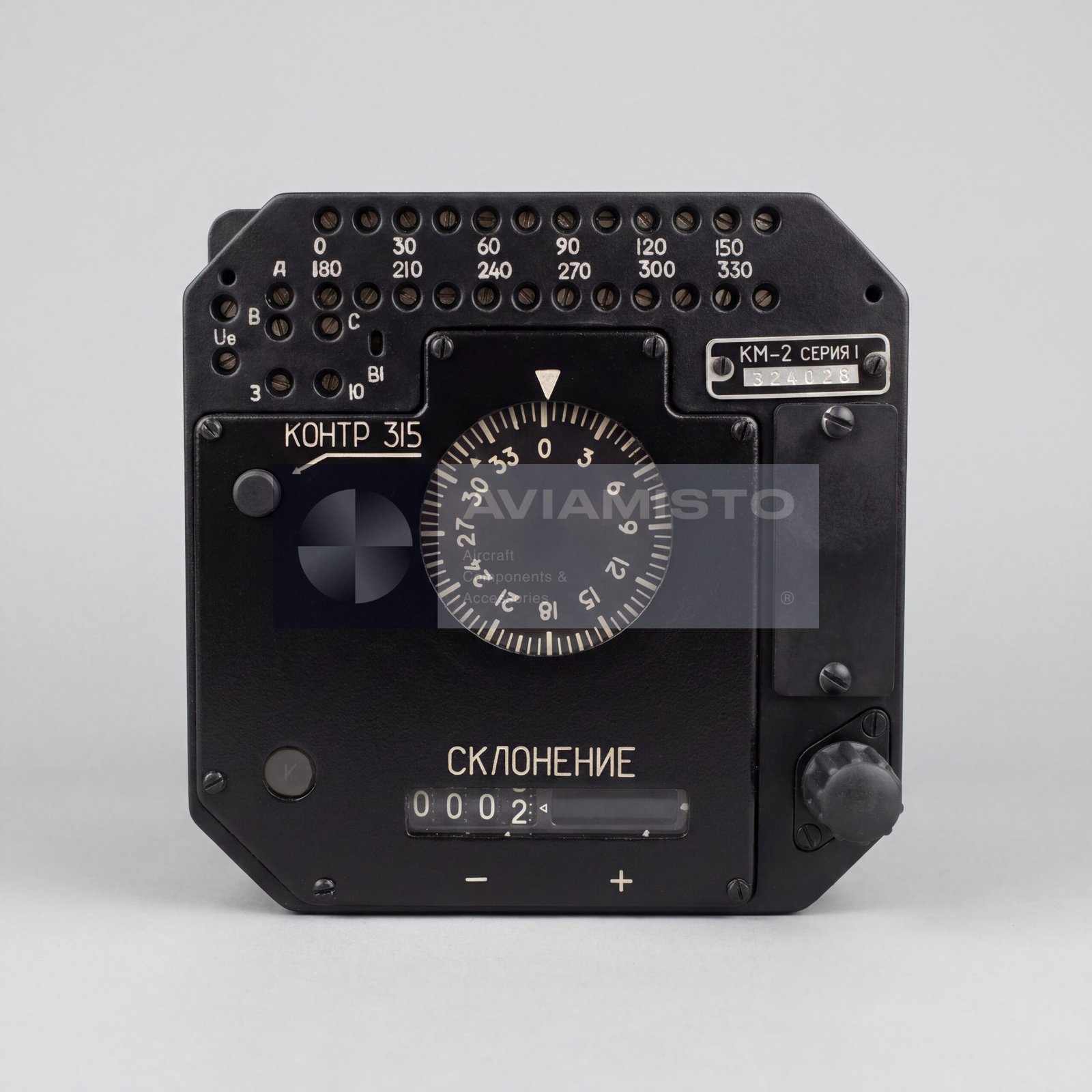
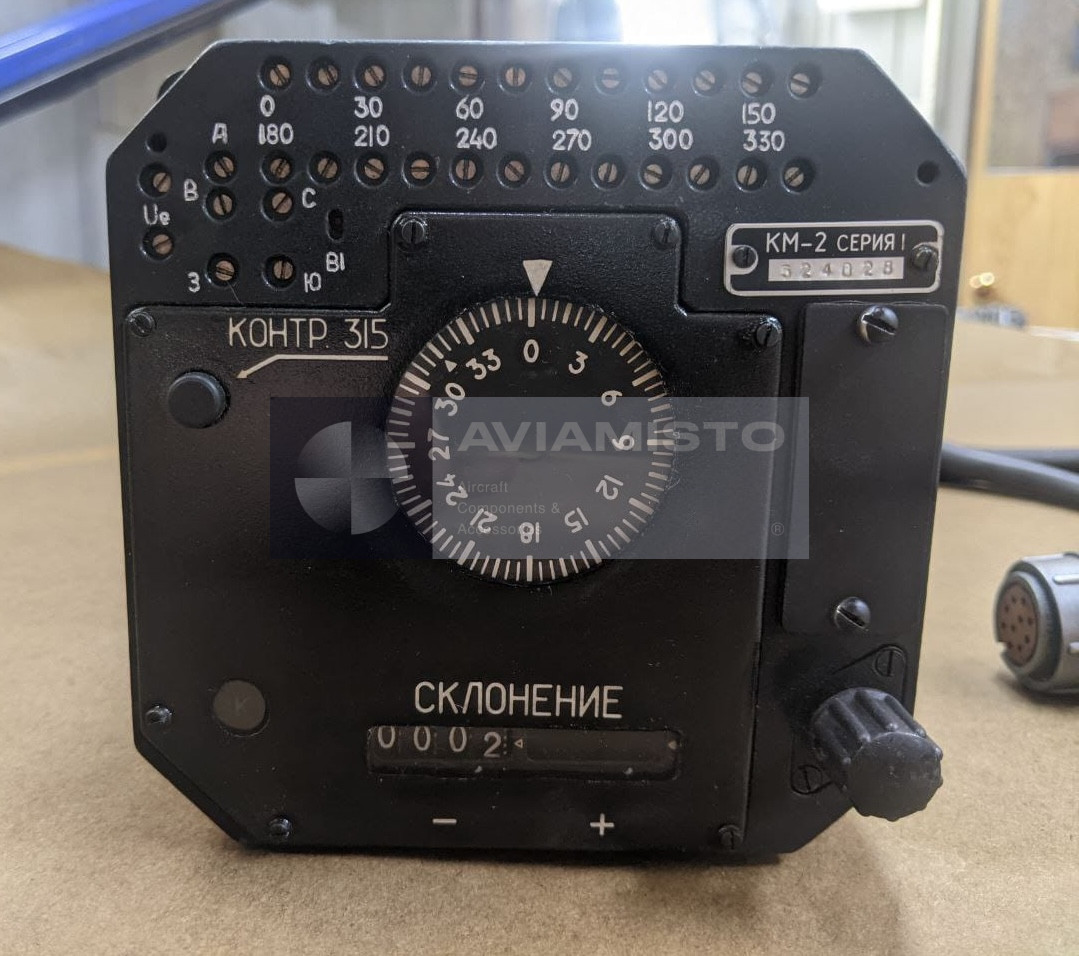
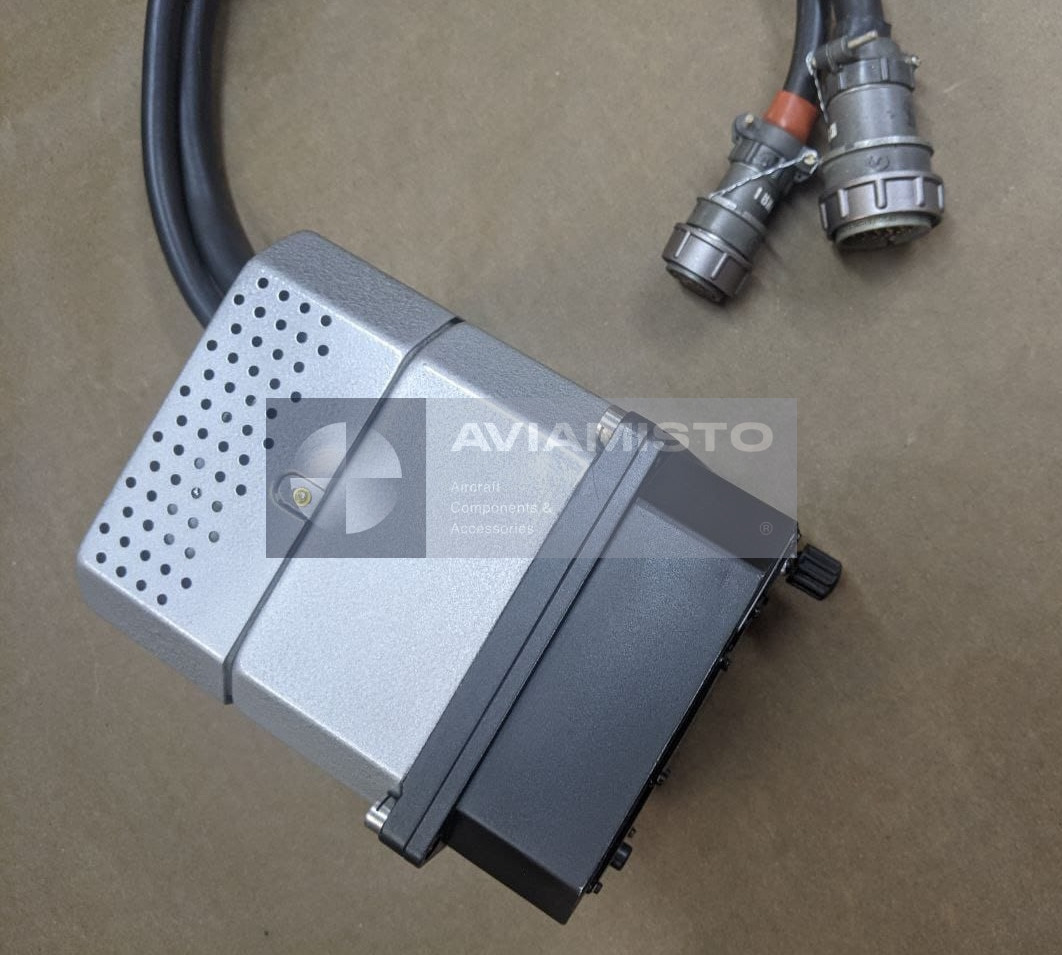
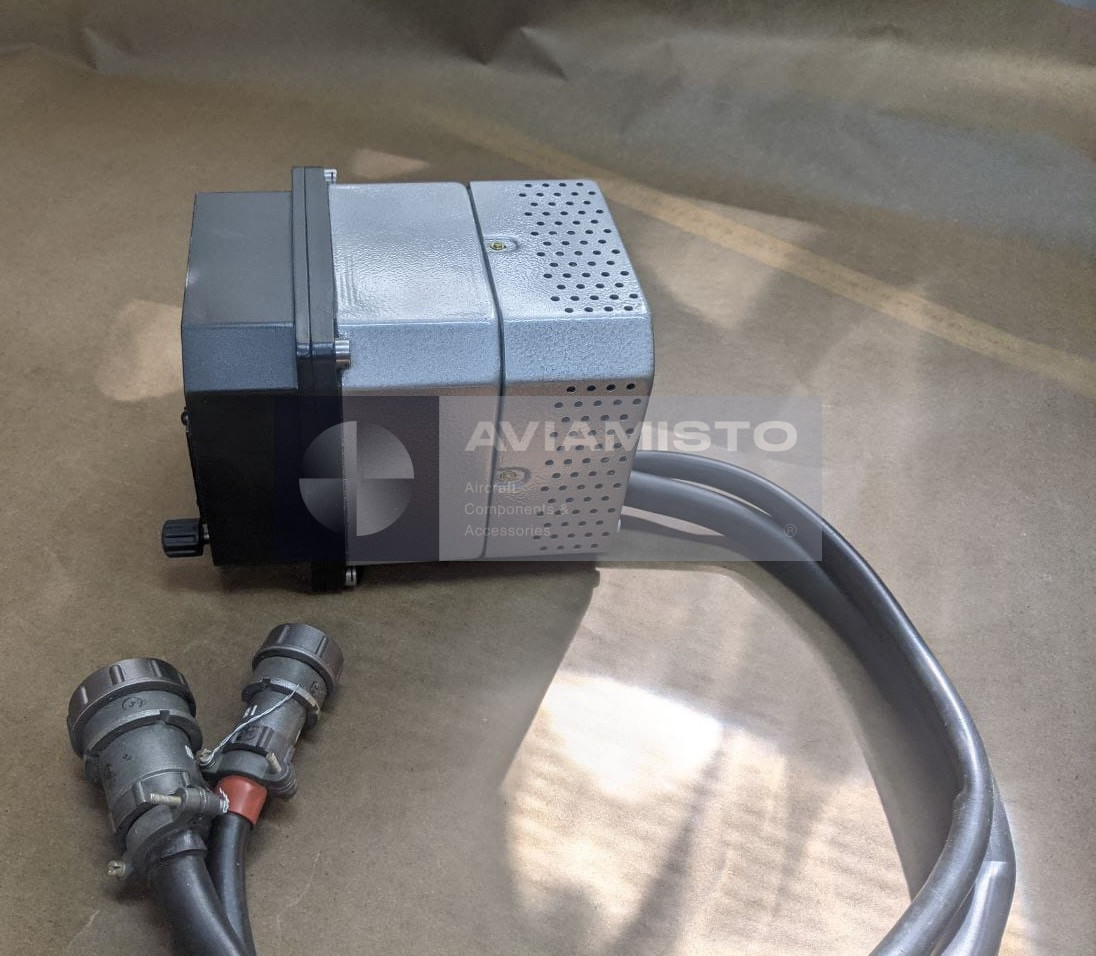
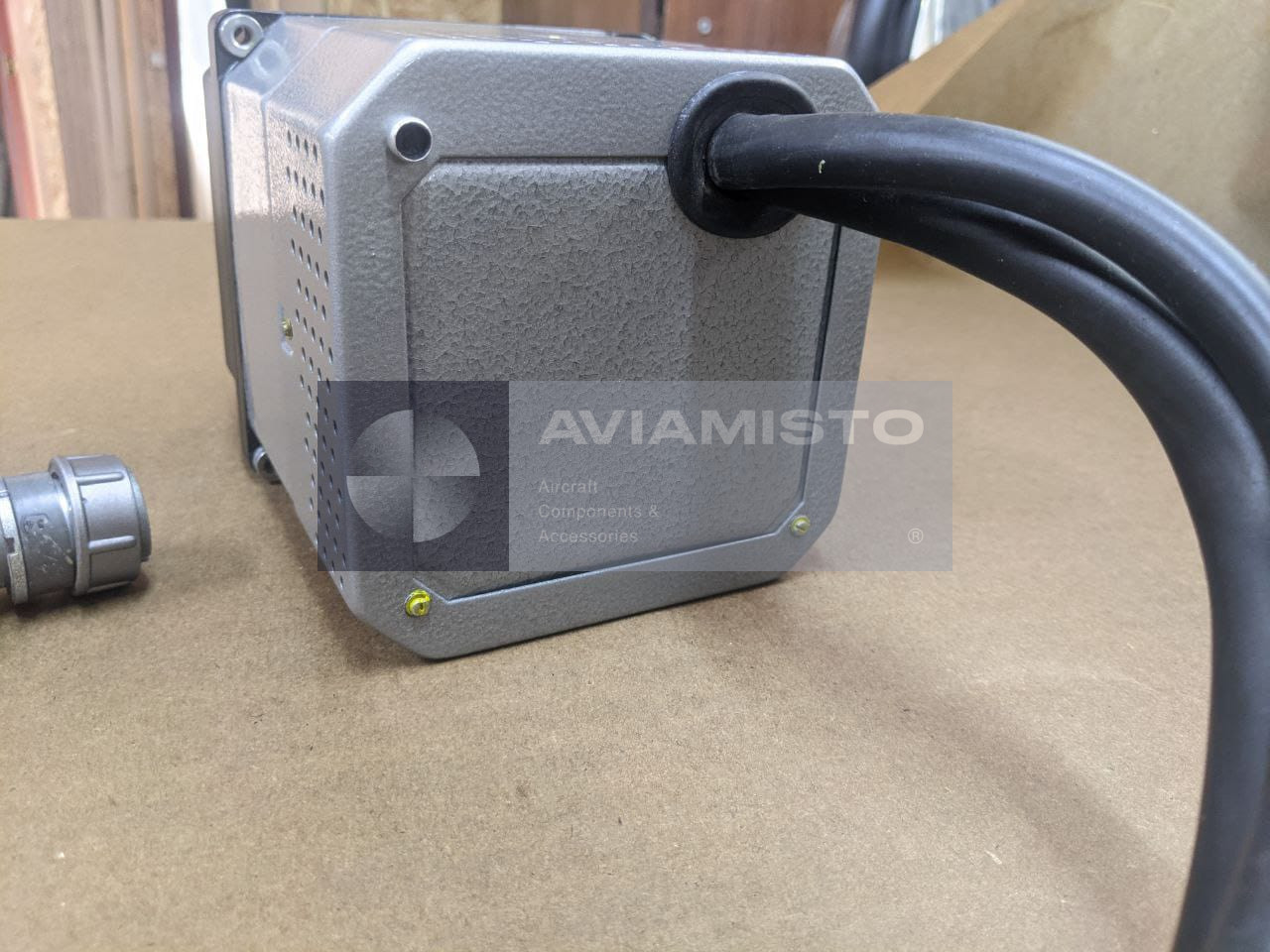
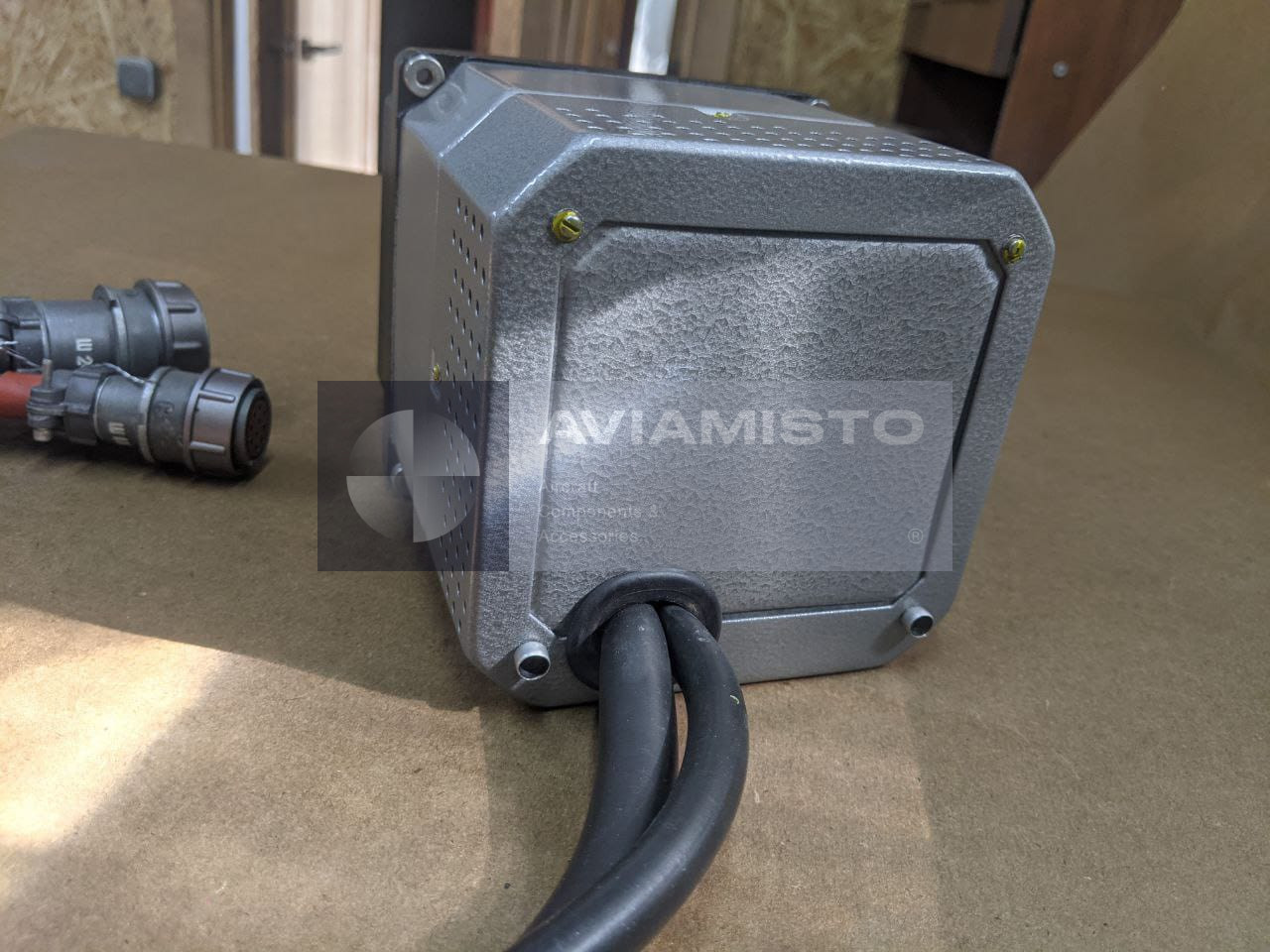


Description
KM-2 Series 1 in the aircraft heading system
The KM-2 Series 1 is an aircraft correction mechanism used as part of onboard heading and pilot-navigation systems. It works as a linking and correction unit between the induction heading sensor and the main gyro unit. In systems such as Greben-1, KSG, GMK or GIK-type heading equipment, the KM-2 helps process, correct and transmit heading information so that the aircraft receives a more accurate and stable course reference for cockpit indication and connected navigation consumers.
Full descriptionCollapse description
Correction function of the KM-2 Series 1
The main role of the KM-2 Series 1 is to compensate for residual deviation and instrumental errors in the heading system. Aircraft magnetic heading data can be affected by the airframe, onboard equipment, electrical fields and installation-specific magnetic distortions. The KM-2 allows correction to be introduced mechanically through a cam-based adjustment device. This helps reduce half-circle deviation and improves the accuracy of the heading data sent further into the system.
KM-2 Series 1 with ID-6 and GA-8 units
The KM-2 Series 1 does not operate as an isolated instrument. In a typical heading system, it works together with the ID-6 induction sensor and the GA-8 gyro unit. The ID-6 detects the Earth’s magnetic field, the KM-2 applies correction and supports signal matching, and the GA-8 provides gyroscopic stabilization and short-term heading memory. This combination allows the system to use magnetic reference while reducing instability and correcting errors before heading information is delivered to indicators or autopilot circuits.
Remote signal transmission through KM-2 Series 1
The KM-2 Series 1 provides coordinated remote signal transmission between the magnetic heading sensor, correction elements and gyro unit. Built-in selsyn receivers are used for signal matching and transfer inside the heading system. This is important because the heading equipment is distributed across the aircraft: the sensor, correction mechanism, gyro unit and cockpit controls may be installed in different locations. The KM-2 helps these components work as one chain rather than as separate devices.
Manual correction and deviation adjustment
The KM-2 Series 1 includes a cam correction device with adjustment screws. This mechanism is used during deviation compensation and heading system adjustment. It allows technicians to introduce the required correction values after checking magnetic deviation on the aircraft. The unit can also be used for visual heading reference and manual introduction of magnetic variation angles within the available scale range. Correct adjustment of the KM-2 is important because improper compensation can lead to stable but incorrect heading output.
Synchronization and operating modes of KM-2 Series 1
The KM-2 Series 1 supports heading system synchronization in normal and fast modes. In the normal mode, slow agreement helps filter fluctuations and unstable movement of the induction heading sensor. In the fast agreement mode, synchronization can be activated automatically or manually, for example through the “ZK” command, to remove mismatch after turns, power-up or heading system disturbances. This makes the KM-2 part of both the correction and coordination logic of the heading system.
Installation of KM-2 Series 1 in the cockpit
The KM-2 Series 1 is usually installed in the crew cockpit, on a control panel, instrument panel or operator station where access for adjustment and visual control is required. This differs from some gyro units, which may be installed in the radio compartment or equipment bay. Cockpit installation makes sense because the correction mechanism may need inspection, setting and operational control. When replacing the unit, technicians should check the mounting frame, connectors, scale markings, adjustment elements and compatibility with the installed heading system.
Supply and documentation for KM-2 Series 1
For procurement, the full designation KM-2 Series 1 should be stated together with the required condition, aircraft type, heading system and documentation. The unit may be supplied from storage, serviceable, repaired or in another agreed condition. Since the KM-2 works in a system with ID-6, GA-8 and cockpit control units, compatibility should be confirmed before installation. The product passport and heading system documentation should verify designation, series, acceptance, configuration and suitability for aircraft use.
Technical details
- Product Type
- Aircraft heading correction mechanism
- Designation
- KM-2 Series 1
- Alternative Designation
- KM-2 Series 1
- Function
- Correction, matching and transmission of heading signals within aircraft heading systems
- Application / Where Used
- Aircraft heading, navigation and pilot-navigation systems
All specificationsCollapse specifications
- System / Installation Area
- Greben-1, KSG, GMK, GIK-1 and compatible heading systems
- Compatible Aircraft / Equipment
- Mi-8, Mi-24 and other aircraft with compatible Soviet / Russian heading systems
- Associated Units
- ID-6 induction sensor, GA-8 gyro unit, heading control and indication equipment
- Main Role
- Compensation of residual magnetic deviation and instrumental errors
- Correction Device
- Cam-based correction mechanism with adjustment screws
- Internal Sensors / Elements
- Built-in selsyn receivers for signal matching and transmission
- DC Power Supply
- 27 V ±10%
- AC Power Supply
- 36 V ±10%, 400 Hz in tracking system circuits
- Current Consumption
- Not more than 0.65 A in maximum tracking / correction mode
- Deviation Compensation Accuracy
- Up to ±0.1° according to supplied technical description
- Correction Input Range
- Manual input of magnetic variation / correction angles over the scale range with “+” and “−” signs
- Operating Speeds
- Normal slow agreement mode and fast synchronization mode
- Fast Synchronization Activation
- Automatic or manual, including “ZK” command depending on system configuration
- Typical Installation
- Cockpit panel, control panel or operator / pilot instrument area
- Weight
- Approximately 1.2–1.5 kg depending on frame and series
- Technical Documentation
- Product passport / heading system documentation
Payment & delivery
Orders ship from our hub in Dubai. Partner stock is first transferred to Dubai, then shipped to you.
Dubai stock: 100% before dispatch. Partner stock (Remote stock) and Pre-order: 50% advance payment to start the order and 50% before shipment from Dubai to you.
Availability, lead time, delivery cost and payment terms are confirmed for your order before payment.
Payment & delivery terms