Login by Email
Enter the code from Email
Magnetic Liquid Compass
Price on request
Magnetic Liquid Compass
Available on back-order
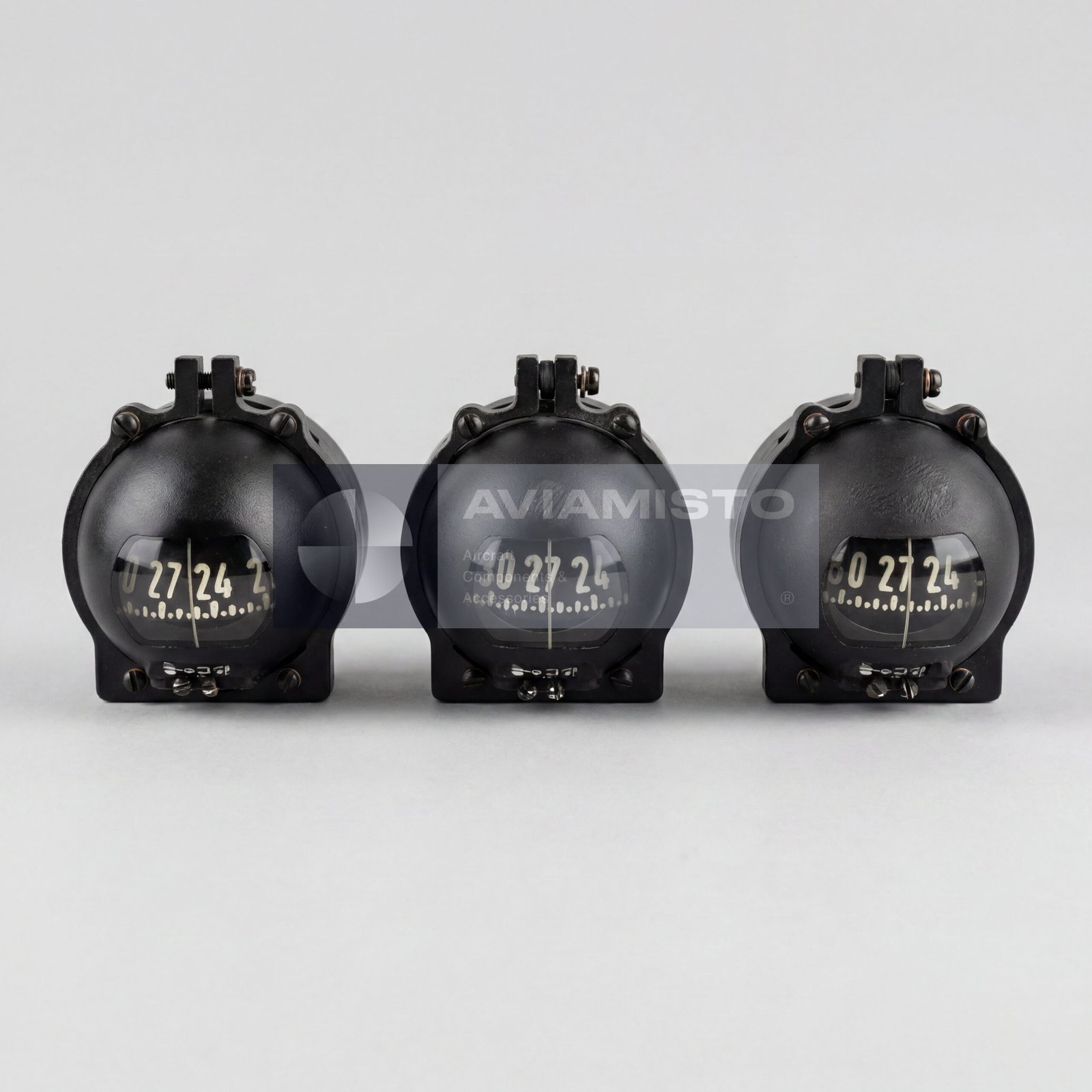
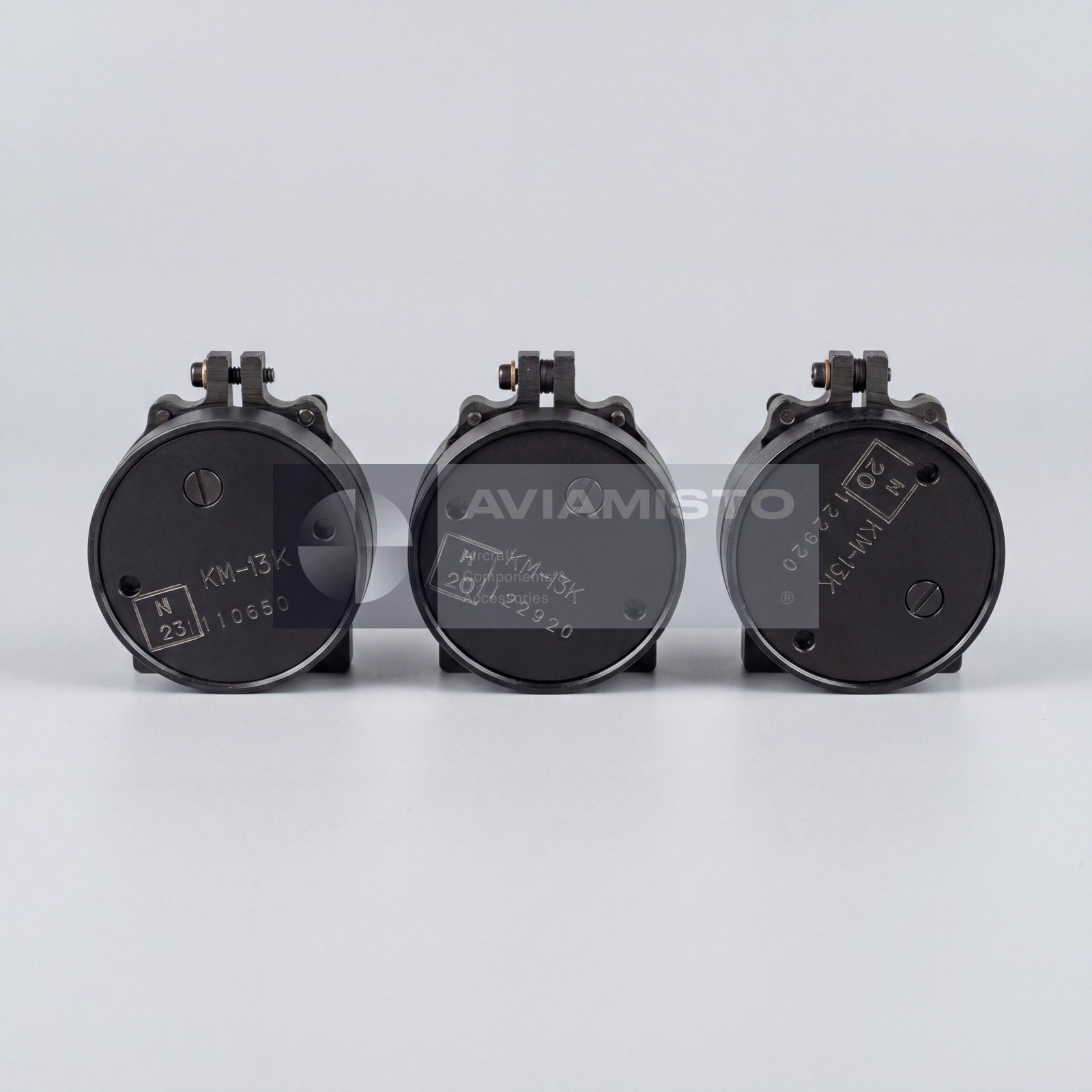
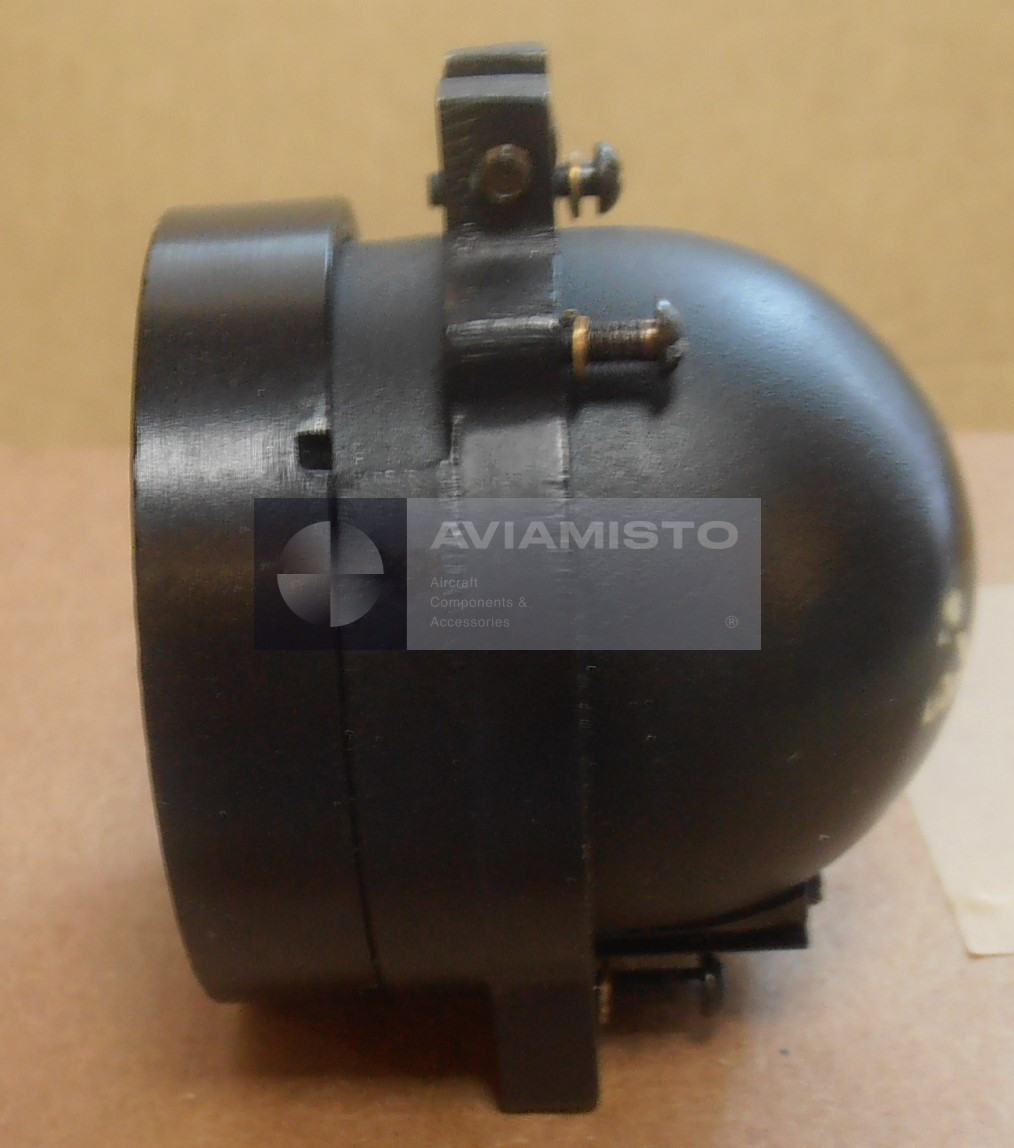
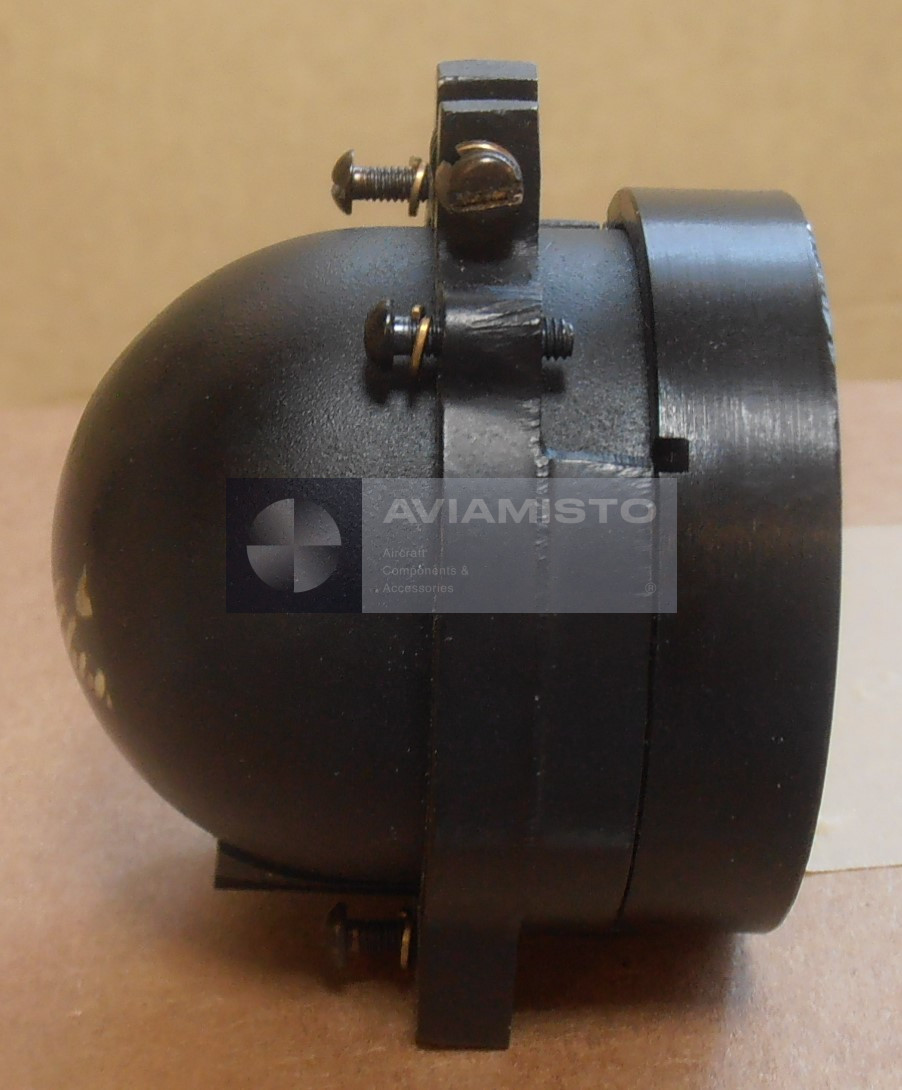
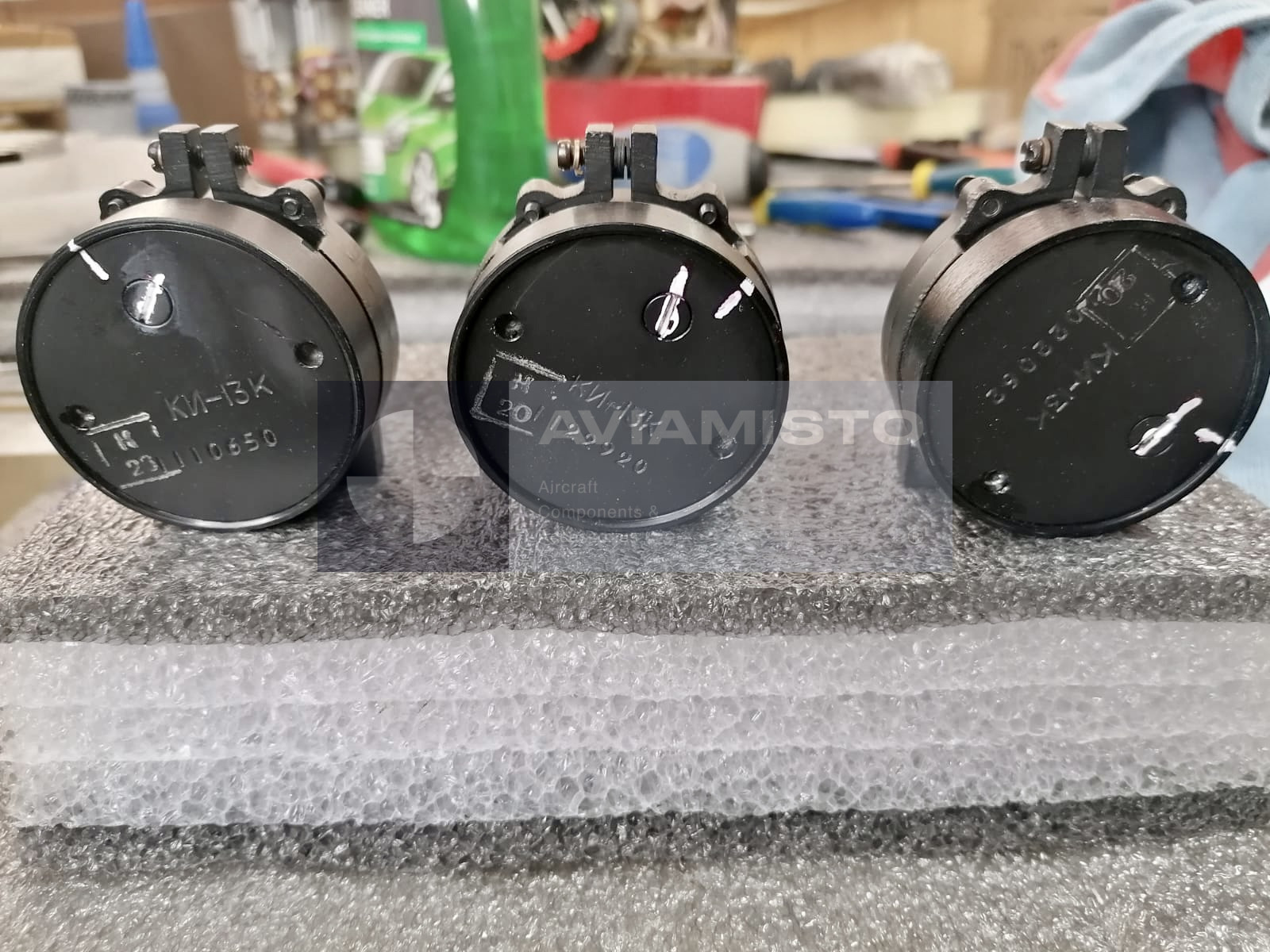
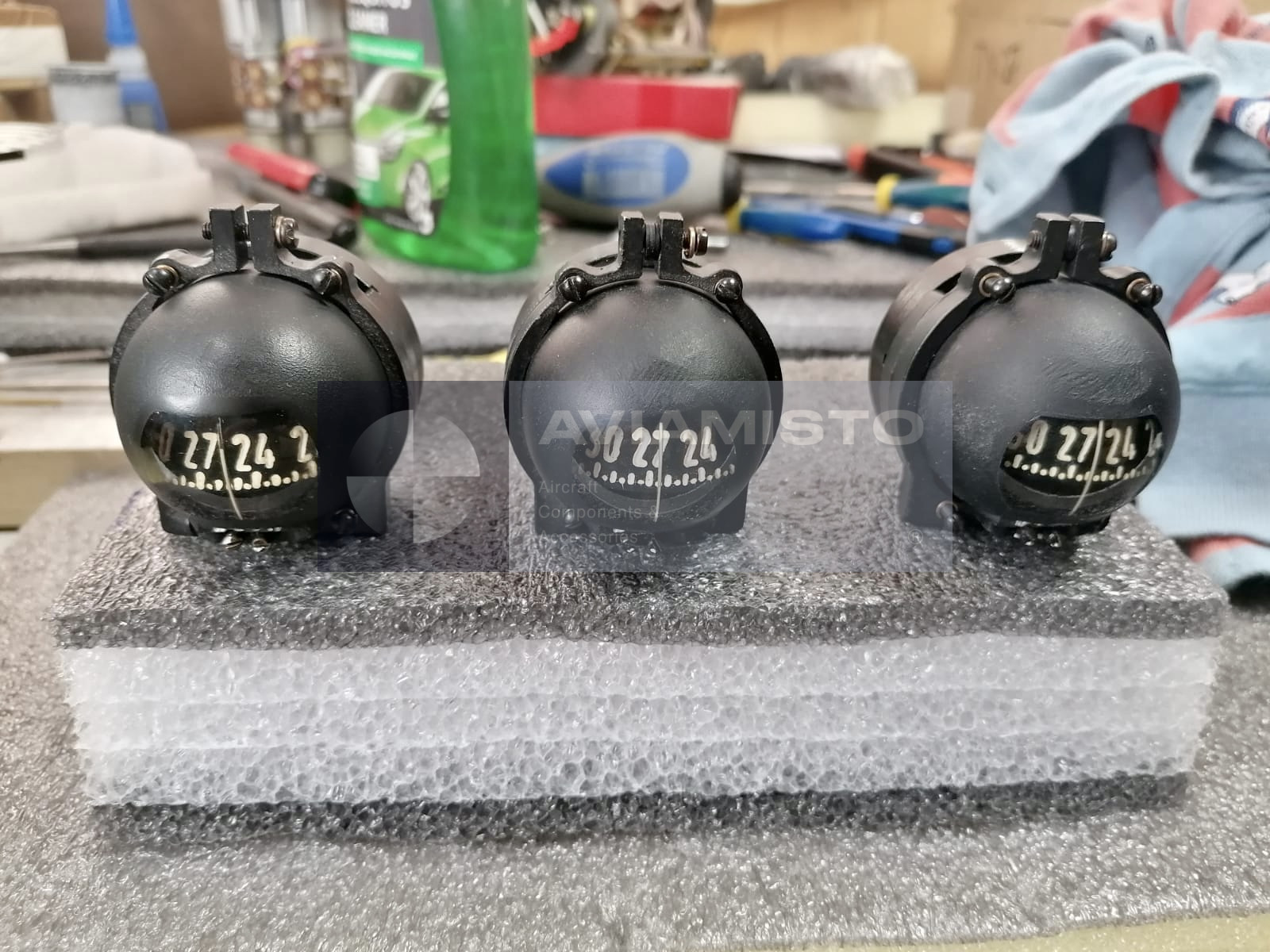
The KI-13K is an aircraft magnetic liquid compass used as an independent standby heading instrument. It is installed on airplanes and helicopters to provide a direct visual indication of magnetic heading when the main heading system is unavailable, unpowered or unreliable. Unlike gyro-magnetic systems such as GMK-1A, the KI-13K does not depend on external sensors or electrical heading channels. It works from the Earth’s magnetic field and remains useful as a backup reference for the crew. Electrical power is only needed for lighting, depending on the aircraft installation.
The compass works through the interaction of permanent magnets with the Earth’s magnetic field. The magnetic system is attached to the compass card, and the card rotates inside the liquid-filled bowl. A fixed lubber line on the compass glass shows the aircraft heading against the rotating card. This layout is different from many handheld compasses: the pilot reads the course number aligned with the aircraft’s forward direction. The instrument is simple in principle, but it must be installed and compensated correctly to give usable heading information in the cockpit.
The KI-13K compass bowl is filled with compass liquid, typically ligroin or a special alcohol-based solution depending on execution and maintenance documentation. The liquid damps oscillations of the compass card during aircraft vibration, maneuvering and turbulence. Without damping, the card would swing too much and the pilot would have difficulty reading a stable course. The liquid level and condition matter during inspection. Bubbles, leakage, contamination or sluggish movement of the card can make the compass difficult to read or unsuitable for aircraft use.
Aircraft structures, wiring, electrical equipment and steel parts can distort the magnetic field around the cockpit. For this reason, the KI-13K includes a deviation compensation device with small compensating magnets installed in the lower part of the housing. These magnets are adjusted during compass compensation so that the remaining deviation is reduced to acceptable values. The compass should not be treated as accurate simply because it points north. Its final accuracy depends on the installation point, nearby magnetic influences and proper deviation adjustment on the aircraft.
The KI-13K is usually mounted on the cockpit windshield frame, on the central glazing post, or on an upper cockpit panel where the crew can read it directly. The instrument must be aligned with the longitudinal axis of the aircraft. On aircraft such as An-2, An-24, An-26, Yak-18T, Yak-40, Yak-52, Tu-134, Il-76, Mi-2, Mi-8 and Ka-26, installation details depend on cockpit layout and aircraft documentation. The mounting position is chosen so that the compass remains visible and is affected as little as possible by local magnetic interference.
The “K” index identifies an execution without permanent radioactive luminous compound. The scale is adapted for use with red cockpit lighting, which is important for night operation and for aircraft where radioactive luminous materials are not permitted or are being replaced. This should be checked when ordering, because outwardly similar KI-13 series compasses can differ by scale marking, lighting execution, compensation arrangement and documentation. For supply, the exact designation KI-13K should be used, not just “KI-13 compass”.
During maintenance, the KI-13K is checked for card freedom, damping time, liquid condition, absence of leaks, glass condition, compensation device condition, mounting alignment and lighting circuit serviceability. The compass should return smoothly and should not stick when the aircraft changes attitude within the specified limits. For aviation supply, it is useful to confirm the passport or label, condition, storage history, lighting voltage, compass liquid condition and whether deviation compensation hardware is present. A visually clean compass may still require inspection before installation.
Product Type: Aircraft magnetic liquid compass
Designation: KI-13K
Function: Standby visual indication of magnetic / compass heading
Application / Where Used: Aircraft cockpit standby heading instruments
System / Installation Area: Cockpit windshield frame, central glazing post or upper cockpit panel depending on aircraft type
Operating Principle: Interaction of permanent magnets with the Earth’s magnetic field
Compass Type: Magnetic, liquid-filled, onboard aircraft compass
Power Requirement: No electrical power required for magnetic indication; power required only for lighting where installed
Execution Index “K”: Version without permanent radioactive luminous compound, adapted for red cockpit lighting
Scale Range: 0° to 360°
Scale Division: 5°
Scale Numbering: Every 30°
Main Direction Marks: North and South letter marks depending on scale language / execution
Instrument Error: Not more than ±1°
Friction Error: Not more than ±1° at +20 °C
Compass Card Stagnation: Not more than 1°
Permissible Bank and Pitch Angles: Operates without sticking up to ±17°
Compass Card Settling Time: Not more than 5 s after 90° deflection
Deviation Compensation Range: Semi-circular deviation compensation not less than 15° to 25°
Compass Liquid: Ligroin grade “L” or special alcohol-based solution depending on maintenance documentation
Liquid Volume in Bowl: Approximately 125–130 cm³
Operating Temperature Range: −60 to +60 °C
Lighting: Built-in red-light compatible lighting; 5.5 V or 28 V depending on production series
Weight: Not more than 0.65 kg
Approximate Dimensions: 85 × 85 × 80 mm
Compatible Aircraft / Equipment: An-2, An-24, An-26, Yak-18T, Yak-40, Yak-52, Tu-134, Il-76, Mi-2, Mi-8, Ka-26 and other aircraft depending on cockpit installation
Technical Documentation: Product passport, aircraft maintenance documentation, compass compensation records and lighting connection data as applicable
All shipments are carried out from our international warehouse in Dubai (UAE), as well as from our partners’ remote warehouses.
In Stock — items available in stock at the Dubai warehouse are dispatched within 5–10 business days after receiving 100% prepayment.
Remote Stock — items available at our partners’ remote warehouses are supplied within an average of 30–45 business days after receiving 100% prepayment.
Pre-Order — made-to-order products are manufactured and delivered within an average of 45–60 business days. Payment terms: 50% advance payment to start production, with the remaining 50% paid before dispatch from the Dubai warehouse after full readiness for shipment.
Returns & Changes (Restocking Fee)
For selected items, a RESTOCKING FEE of 10% may apply in case of return, order cancellation, or changes to the order specifications. This condition applies only to certain products and is confirmed at the order approval stage.
Warranty
All products are covered by a standard 6-month warranty.
Extended warranty is available upon request and is agreed individually; it may affect the final product price.
The KI-13K is an aircraft magnetic liquid compass used as an independent standby heading instrument. It is installed on airplanes and helicopters to provide a direct visual indication of magnetic heading when the main heading system is unavailable, unpowered or unreliable. Unlike gyro-magnetic systems such as GMK-1A, the KI-13K does not depend on external sensors or electrical heading channels. It works from the Earth’s magnetic field and remains useful as a backup reference for the crew. Electrical power is only needed for lighting, depending on the aircraft installation.
The compass works through the interaction of permanent magnets with the Earth’s magnetic field. The magnetic system is attached to the compass card, and the card rotates inside the liquid-filled bowl. A fixed lubber line on the compass glass shows the aircraft heading against the rotating card. This layout is different from many handheld compasses: the pilot reads the course number aligned with the aircraft’s forward direction. The instrument is simple in principle, but it must be installed and compensated correctly to give usable heading information in the cockpit.
The KI-13K compass bowl is filled with compass liquid, typically ligroin or a special alcohol-based solution depending on execution and maintenance documentation. The liquid damps oscillations of the compass card during aircraft vibration, maneuvering and turbulence. Without damping, the card would swing too much and the pilot would have difficulty reading a stable course. The liquid level and condition matter during inspection. Bubbles, leakage, contamination or sluggish movement of the card can make the compass difficult to read or unsuitable for aircraft use.
Aircraft structures, wiring, electrical equipment and steel parts can distort the magnetic field around the cockpit. For this reason, the KI-13K includes a deviation compensation device with small compensating magnets installed in the lower part of the housing. These magnets are adjusted during compass compensation so that the remaining deviation is reduced to acceptable values. The compass should not be treated as accurate simply because it points north. Its final accuracy depends on the installation point, nearby magnetic influences and proper deviation adjustment on the aircraft.
The KI-13K is usually mounted on the cockpit windshield frame, on the central glazing post, or on an upper cockpit panel where the crew can read it directly. The instrument must be aligned with the longitudinal axis of the aircraft. On aircraft such as An-2, An-24, An-26, Yak-18T, Yak-40, Yak-52, Tu-134, Il-76, Mi-2, Mi-8 and Ka-26, installation details depend on cockpit layout and aircraft documentation. The mounting position is chosen so that the compass remains visible and is affected as little as possible by local magnetic interference.
The “K” index identifies an execution without permanent radioactive luminous compound. The scale is adapted for use with red cockpit lighting, which is important for night operation and for aircraft where radioactive luminous materials are not permitted or are being replaced. This should be checked when ordering, because outwardly similar KI-13 series compasses can differ by scale marking, lighting execution, compensation arrangement and documentation. For supply, the exact designation KI-13K should be used, not just “KI-13 compass”.
During maintenance, the KI-13K is checked for card freedom, damping time, liquid condition, absence of leaks, glass condition, compensation device condition, mounting alignment and lighting circuit serviceability. The compass should return smoothly and should not stick when the aircraft changes attitude within the specified limits. For aviation supply, it is useful to confirm the passport or label, condition, storage history, lighting voltage, compass liquid condition and whether deviation compensation hardware is present. A visually clean compass may still require inspection before installation.
Product Type: Aircraft magnetic liquid compass
Designation: KI-13K
Function: Standby visual indication of magnetic / compass heading
Application / Where Used: Aircraft cockpit standby heading instruments
System / Installation Area: Cockpit windshield frame, central glazing post or upper cockpit panel depending on aircraft type
Operating Principle: Interaction of permanent magnets with the Earth’s magnetic field
Compass Type: Magnetic, liquid-filled, onboard aircraft compass
Power Requirement: No electrical power required for magnetic indication; power required only for lighting where installed
Execution Index “K”: Version without permanent radioactive luminous compound, adapted for red cockpit lighting
Scale Range: 0° to 360°
Scale Division: 5°
Scale Numbering: Every 30°
Main Direction Marks: North and South letter marks depending on scale language / execution
Instrument Error: Not more than ±1°
Friction Error: Not more than ±1° at +20 °C
Compass Card Stagnation: Not more than 1°
Permissible Bank and Pitch Angles: Operates without sticking up to ±17°
Compass Card Settling Time: Not more than 5 s after 90° deflection
Deviation Compensation Range: Semi-circular deviation compensation not less than 15° to 25°
Compass Liquid: Ligroin grade “L” or special alcohol-based solution depending on maintenance documentation
Liquid Volume in Bowl: Approximately 125–130 cm³
Operating Temperature Range: −60 to +60 °C
Lighting: Built-in red-light compatible lighting; 5.5 V or 28 V depending on production series
Weight: Not more than 0.65 kg
Approximate Dimensions: 85 × 85 × 80 mm
Compatible Aircraft / Equipment: An-2, An-24, An-26, Yak-18T, Yak-40, Yak-52, Tu-134, Il-76, Mi-2, Mi-8, Ka-26 and other aircraft depending on cockpit installation
Technical Documentation: Product passport, aircraft maintenance documentation, compass compensation records and lighting connection data as applicable
All shipments are carried out from our international warehouse in Dubai (UAE), as well as from our partners’ remote warehouses.
In Stock — items available in stock at the Dubai warehouse are dispatched within 5–10 business days after receiving 100% prepayment.
Remote Stock — items available at our partners’ remote warehouses are supplied within an average of 30–45 business days after receiving 100% prepayment.
Pre-Order — made-to-order products are manufactured and delivered within an average of 45–60 business days. Payment terms: 50% advance payment to start production, with the remaining 50% paid before dispatch from the Dubai warehouse after full readiness for shipment.
Returns & Changes (Restocking Fee)
For selected items, a RESTOCKING FEE of 10% may apply in case of return, order cancellation, or changes to the order specifications. This condition applies only to certain products and is confirmed at the order approval stage.
Warranty
All products are covered by a standard 6-month warranty.
Extended warranty is available upon request and is agreed individually; it may affect the final product price.
Do you really want to log out?