Login by Email
Enter the code from Email
gyro sensor
Price on request
gyro sensor
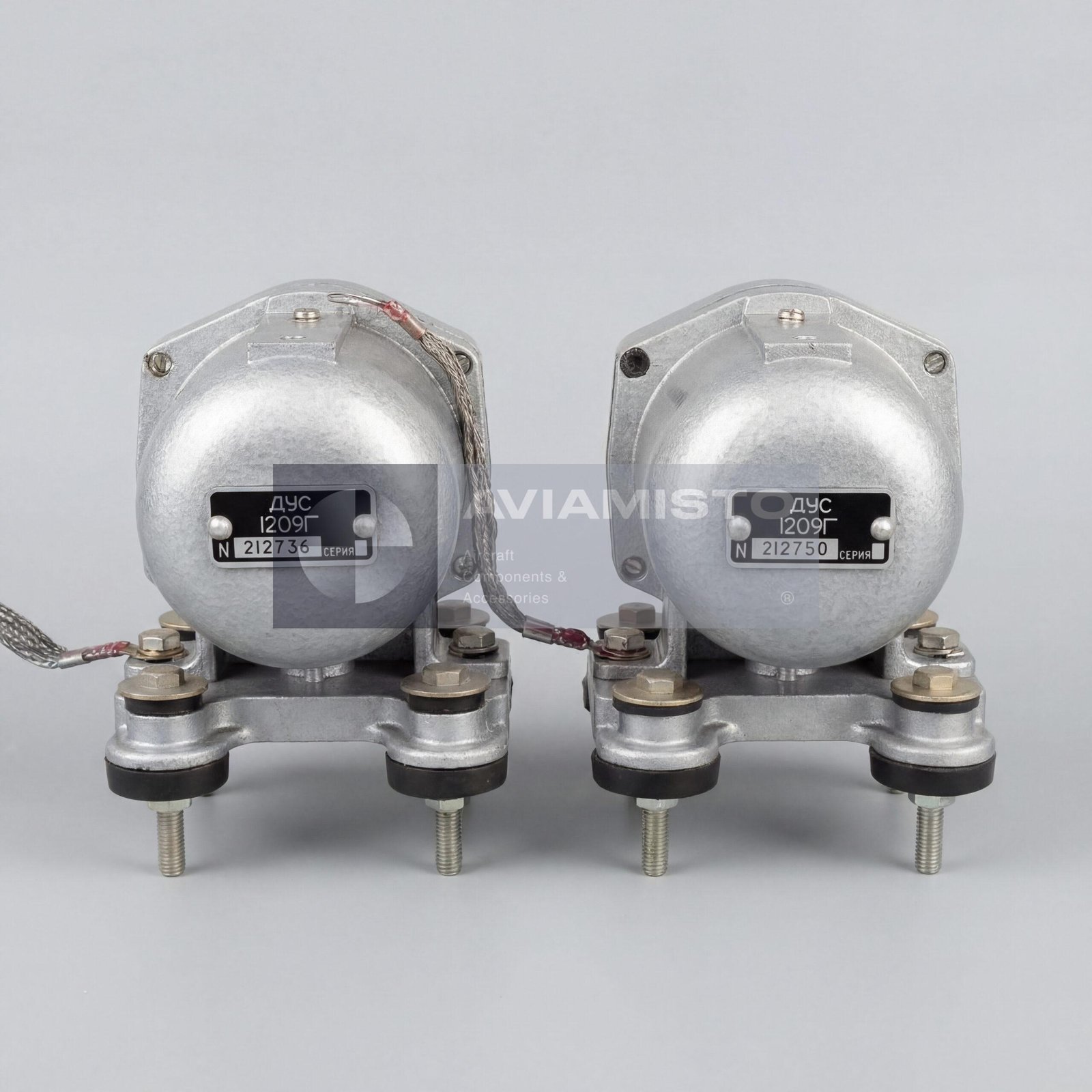
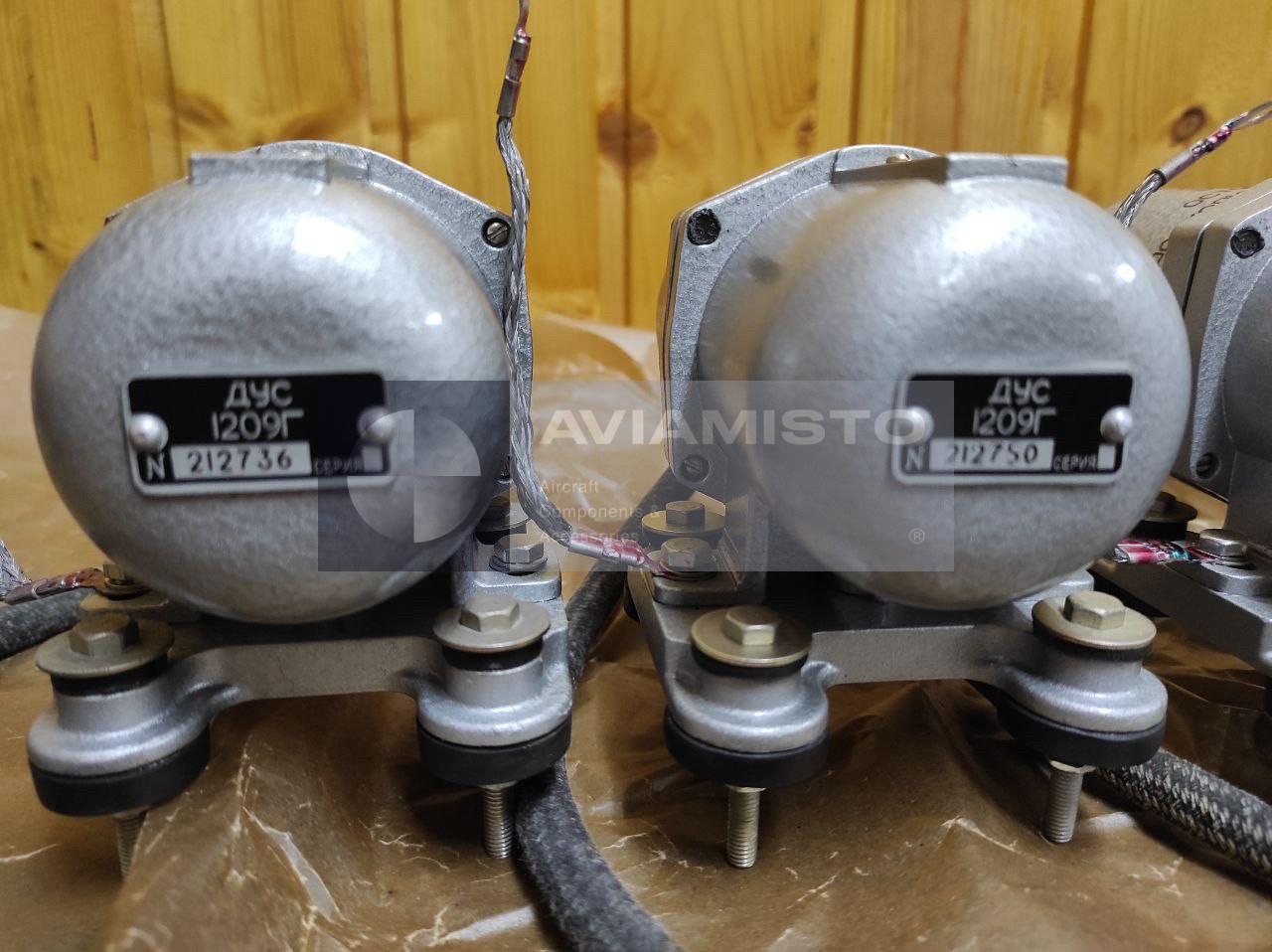
The DUS-1209G is an aircraft roll-rate gyro sensor used in automatic flight control systems of Mi-8 and Mi-17 family helicopters. In the AP-34B autopilot, it measures angular velocity around the helicopter roll axis and converts that motion into an electrical signal. This signal is used by the roll stabilization channel to damp unwanted bank movements and help the helicopter maintain a more stable attitude. The sensor does not command the controls directly. It supplies the autopilot with roll-rate information that is needed for correction and stabilization.
In flight, roll motion can appear during turns, hover corrections, turbulence, side wind, control inputs or transition between flight regimes. The DUS-1209G gives the autopilot a live signal showing how quickly the helicopter is rolling. With that information, the system can form a counteracting command through the roll channel. The result is smoother handling and less continuous correction from the pilot. The sensor is especially important in modes where the helicopter must remain steady while the crew is also working with navigation, engine parameters or external conditions.
The DUS-1209G is part of the roll control channel of the AP-34B system. Its signal goes to the connected avionics modules, including amplification and control units that process the feedback and pass commands further into the autopilot system. A correct roll-rate signal helps the autopilot distinguish between normal movement and unwanted oscillation. If the signal is missing, unstable or outside tolerance, the roll channel may behave incorrectly, fail checks or respond with poor damping. For that reason, the sensor is normally assessed together with the complete roll stabilization channel.
The DUS-1209G is powered from the aircraft AC supply and uses a gyro element rotating at high speed. When angular roll rate is applied, the sensor produces an output signal corresponding to that motion. The rotor speed, supply frequency, current consumption and output level are all important during technical inspection. A unit can look intact externally but still be unsuitable if the gyro does not reach the required speed, if current consumption is abnormal, or if the output signal does not match the control input during testing.
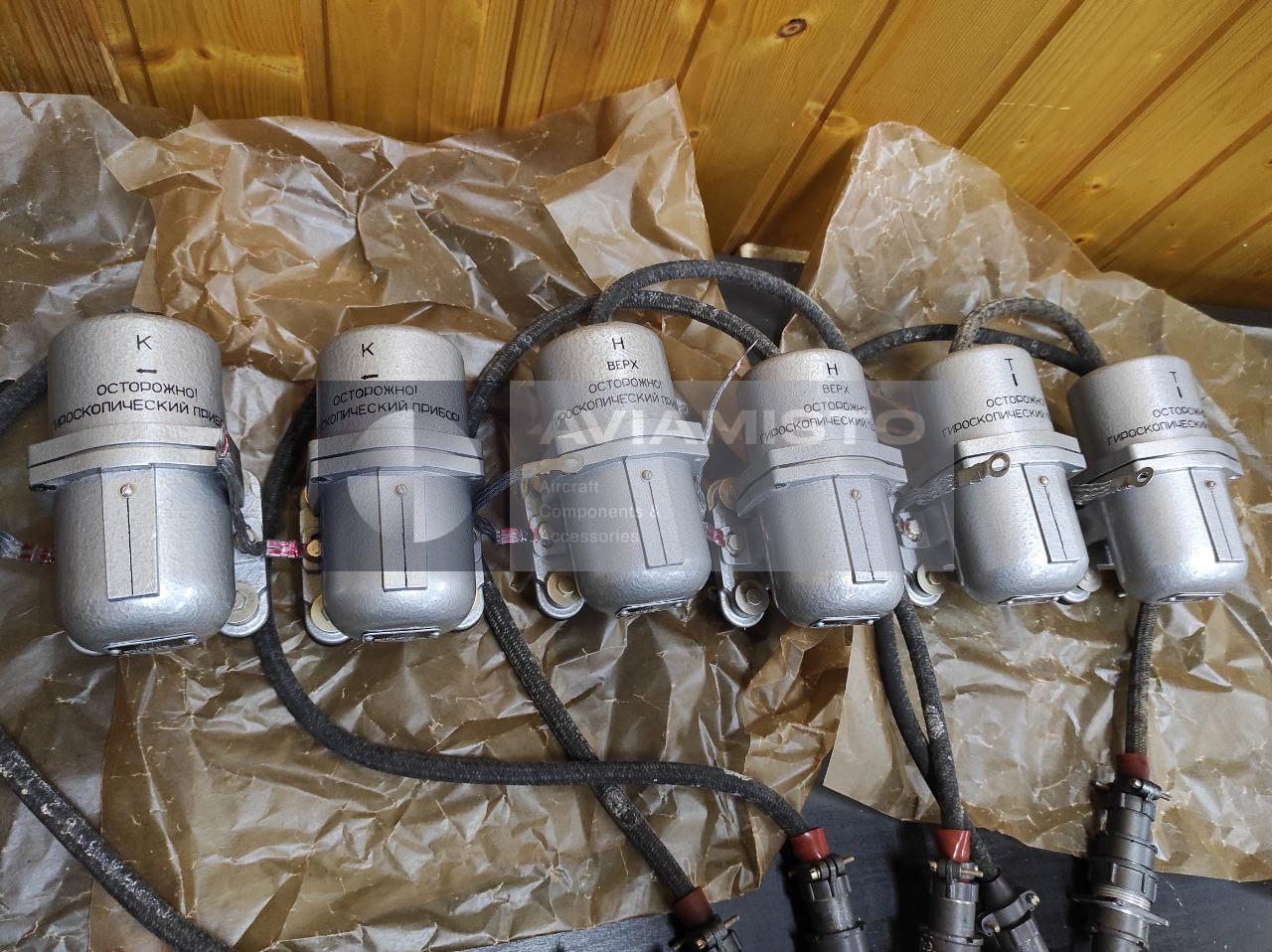
The DUS-1209G is installed on Mi-8, Mi-8T, Mi-8MT, Mi-8AMT, Mi-8MTV-1, Mi-17 and related helicopter variants equipped with the AP-34B automatic flight control system. It is specifically associated with the roll stabilization channel. This matters because other DUS-1209 sensors may be used in the same autopilot set for pitch or yaw channels. They can look similar, but they are not selected only by appearance. The suffix letter, installation position, wiring and aircraft documentation must be checked before replacement.
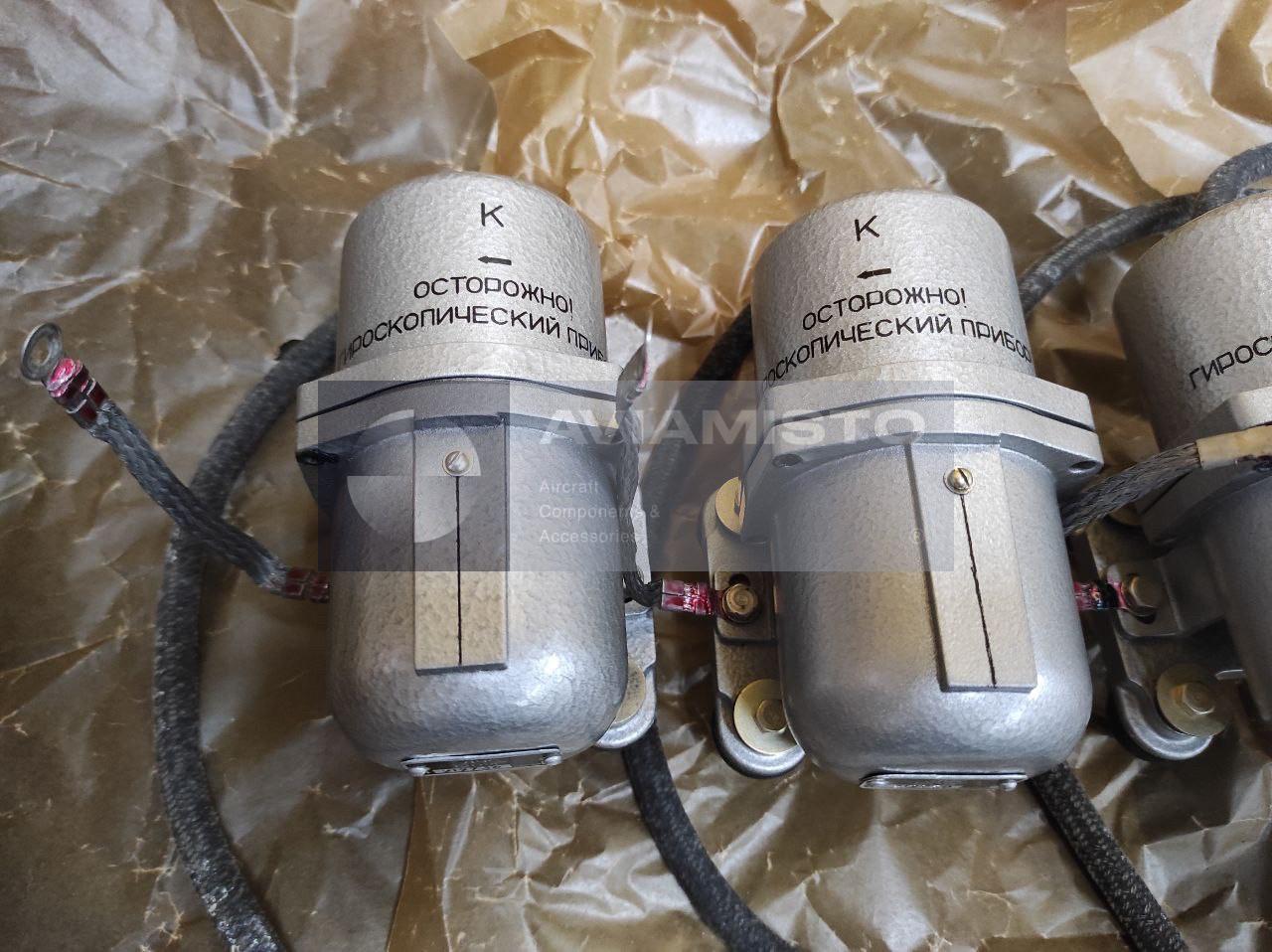
The DUS-1209G is installed in the avionics compartment or autopilot bay, depending on the helicopter layout. During maintenance, technicians check the mounting, housing, connector, wiring condition, corrosion signs, mechanical damage and previous repair marks. Since the sensor works inside a dynamic control loop, its electrical output under test conditions is more important than appearance alone. The unit should be verified with the required power supply and angular-rate input, especially when it comes from storage or after repair.
The same roll-rate sensor can appear in requests and documents as DUS-1209G, DUS1209G, DUS-1209-G, ДУС-1209Г or ДУС1209Г. These designations usually refer to the same component, but the exact marking should still be checked against the manufacturer passport and AP-34B documentation. The sensor is aviation technical equipment and may be supplied as new, from storage, repaired or overhauled depending on availability. For aircraft installation, passport, service records and test confirmation are normally requested.
Product Type: Roll-rate gyro sensor
Designation: DUS-1209G
Cyrillic Designation: ДУС-1209Г
Alternative Designations: DUS1209G; DUS-1209-G; ДУС1209Г
Function: Conversion of roll angular velocity into an electrical control signal
Application / Where Used: AP-34B automatic flight control system, roll stabilization channel
System / Installation Area: Avionics compartment / autopilot bay of Mi-8 / Mi-17 family helicopters
Compatible Aircraft / Equipment: Mi-8, Mi-8T, Mi-8MT, Mi-8AMT, Mi-8MTV-1, Mi-17 and related variants depending on AP-34B installation
System Role: Roll-rate feedback for attitude stabilization, damping of roll oscillations and control-loop response
Associated Equipment: AP-34B autopilot, amplification units, control processors and downstream executive circuits
Rotor Speed: 20,000 ±1,000 rpm
Power Supply: 36 V AC, 400 ±8 Hz, three-phase
Current Consumption: Not more than 0.5 A
Output Signal at ±15°/s: Not more than 10 V
Mounting: Avionics compartment / autopilot bay installation
Weight: Not more than 0.8 kg
Category: Aviation technical equipment / autopilot gyro sensor
Precious Metals Content: According to manufacturer passport
Condition: As applicable
Technical Documentation: Manufacturer passport and operating records
All shipments are carried out from our international warehouse in Dubai (UAE), as well as from our partners’ remote warehouses.
In Stock — items available in stock at the Dubai warehouse are dispatched within 5–10 business days after receiving 100% prepayment.
Remote Stock — items available at our partners’ remote warehouses are supplied within an average of 30–45 business days after receiving 100% prepayment.
Pre-Order — made-to-order products are manufactured and delivered within an average of 45–60 business days. Payment terms: 50% advance payment to start production, with the remaining 50% paid before dispatch from the Dubai warehouse after full readiness for shipment.
Returns & Changes (Restocking Fee)
For selected items, a RESTOCKING FEE of 10% may apply in case of return, order cancellation, or changes to the order specifications. This condition applies only to certain products and is confirmed at the order approval stage.
Warranty
All products are covered by a standard 6-month warranty.
Extended warranty is available upon request and is agreed individually; it may affect the final product price.
The DUS-1209G is an aircraft roll-rate gyro sensor used in automatic flight control systems of Mi-8 and Mi-17 family helicopters. In the AP-34B autopilot, it measures angular velocity around the helicopter roll axis and converts that motion into an electrical signal. This signal is used by the roll stabilization channel to damp unwanted bank movements and help the helicopter maintain a more stable attitude. The sensor does not command the controls directly. It supplies the autopilot with roll-rate information that is needed for correction and stabilization.
In flight, roll motion can appear during turns, hover corrections, turbulence, side wind, control inputs or transition between flight regimes. The DUS-1209G gives the autopilot a live signal showing how quickly the helicopter is rolling. With that information, the system can form a counteracting command through the roll channel. The result is smoother handling and less continuous correction from the pilot. The sensor is especially important in modes where the helicopter must remain steady while the crew is also working with navigation, engine parameters or external conditions.
The DUS-1209G is part of the roll control channel of the AP-34B system. Its signal goes to the connected avionics modules, including amplification and control units that process the feedback and pass commands further into the autopilot system. A correct roll-rate signal helps the autopilot distinguish between normal movement and unwanted oscillation. If the signal is missing, unstable or outside tolerance, the roll channel may behave incorrectly, fail checks or respond with poor damping. For that reason, the sensor is normally assessed together with the complete roll stabilization channel.
The DUS-1209G is powered from the aircraft AC supply and uses a gyro element rotating at high speed. When angular roll rate is applied, the sensor produces an output signal corresponding to that motion. The rotor speed, supply frequency, current consumption and output level are all important during technical inspection. A unit can look intact externally but still be unsuitable if the gyro does not reach the required speed, if current consumption is abnormal, or if the output signal does not match the control input during testing.
The DUS-1209G is installed on Mi-8, Mi-8T, Mi-8MT, Mi-8AMT, Mi-8MTV-1, Mi-17 and related helicopter variants equipped with the AP-34B automatic flight control system. It is specifically associated with the roll stabilization channel. This matters because other DUS-1209 sensors may be used in the same autopilot set for pitch or yaw channels. They can look similar, but they are not selected only by appearance. The suffix letter, installation position, wiring and aircraft documentation must be checked before replacement.
The DUS-1209G is installed in the avionics compartment or autopilot bay, depending on the helicopter layout. During maintenance, technicians check the mounting, housing, connector, wiring condition, corrosion signs, mechanical damage and previous repair marks. Since the sensor works inside a dynamic control loop, its electrical output under test conditions is more important than appearance alone. The unit should be verified with the required power supply and angular-rate input, especially when it comes from storage or after repair.
The same roll-rate sensor can appear in requests and documents as DUS-1209G, DUS1209G, DUS-1209-G, ДУС-1209Г or ДУС1209Г. These designations usually refer to the same component, but the exact marking should still be checked against the manufacturer passport and AP-34B documentation. The sensor is aviation technical equipment and may be supplied as new, from storage, repaired or overhauled depending on availability. For aircraft installation, passport, service records and test confirmation are normally requested.
Product Type: Roll-rate gyro sensor
Designation: DUS-1209G
Cyrillic Designation: ДУС-1209Г
Alternative Designations: DUS1209G; DUS-1209-G; ДУС1209Г
Function: Conversion of roll angular velocity into an electrical control signal
Application / Where Used: AP-34B automatic flight control system, roll stabilization channel
System / Installation Area: Avionics compartment / autopilot bay of Mi-8 / Mi-17 family helicopters
Compatible Aircraft / Equipment: Mi-8, Mi-8T, Mi-8MT, Mi-8AMT, Mi-8MTV-1, Mi-17 and related variants depending on AP-34B installation
System Role: Roll-rate feedback for attitude stabilization, damping of roll oscillations and control-loop response
Associated Equipment: AP-34B autopilot, amplification units, control processors and downstream executive circuits
Rotor Speed: 20,000 ±1,000 rpm
Power Supply: 36 V AC, 400 ±8 Hz, three-phase
Current Consumption: Not more than 0.5 A
Output Signal at ±15°/s: Not more than 10 V
Mounting: Avionics compartment / autopilot bay installation
Weight: Not more than 0.8 kg
Category: Aviation technical equipment / autopilot gyro sensor
Precious Metals Content: According to manufacturer passport
Condition: As applicable
Technical Documentation: Manufacturer passport and operating records
All shipments are carried out from our international warehouse in Dubai (UAE), as well as from our partners’ remote warehouses.
In Stock — items available in stock at the Dubai warehouse are dispatched within 5–10 business days after receiving 100% prepayment.
Remote Stock — items available at our partners’ remote warehouses are supplied within an average of 30–45 business days after receiving 100% prepayment.
Pre-Order — made-to-order products are manufactured and delivered within an average of 45–60 business days. Payment terms: 50% advance payment to start production, with the remaining 50% paid before dispatch from the Dubai warehouse after full readiness for shipment.
Returns & Changes (Restocking Fee)
For selected items, a RESTOCKING FEE of 10% may apply in case of return, order cancellation, or changes to the order specifications. This condition applies only to certain products and is confirmed at the order approval stage.
Warranty
All products are covered by a standard 6-month warranty.
Extended warranty is available upon request and is agreed individually; it may affect the final product price.
Do you really want to log out?