Login by Email
Enter the code from Email
Readiness Signal Unit
Price on request
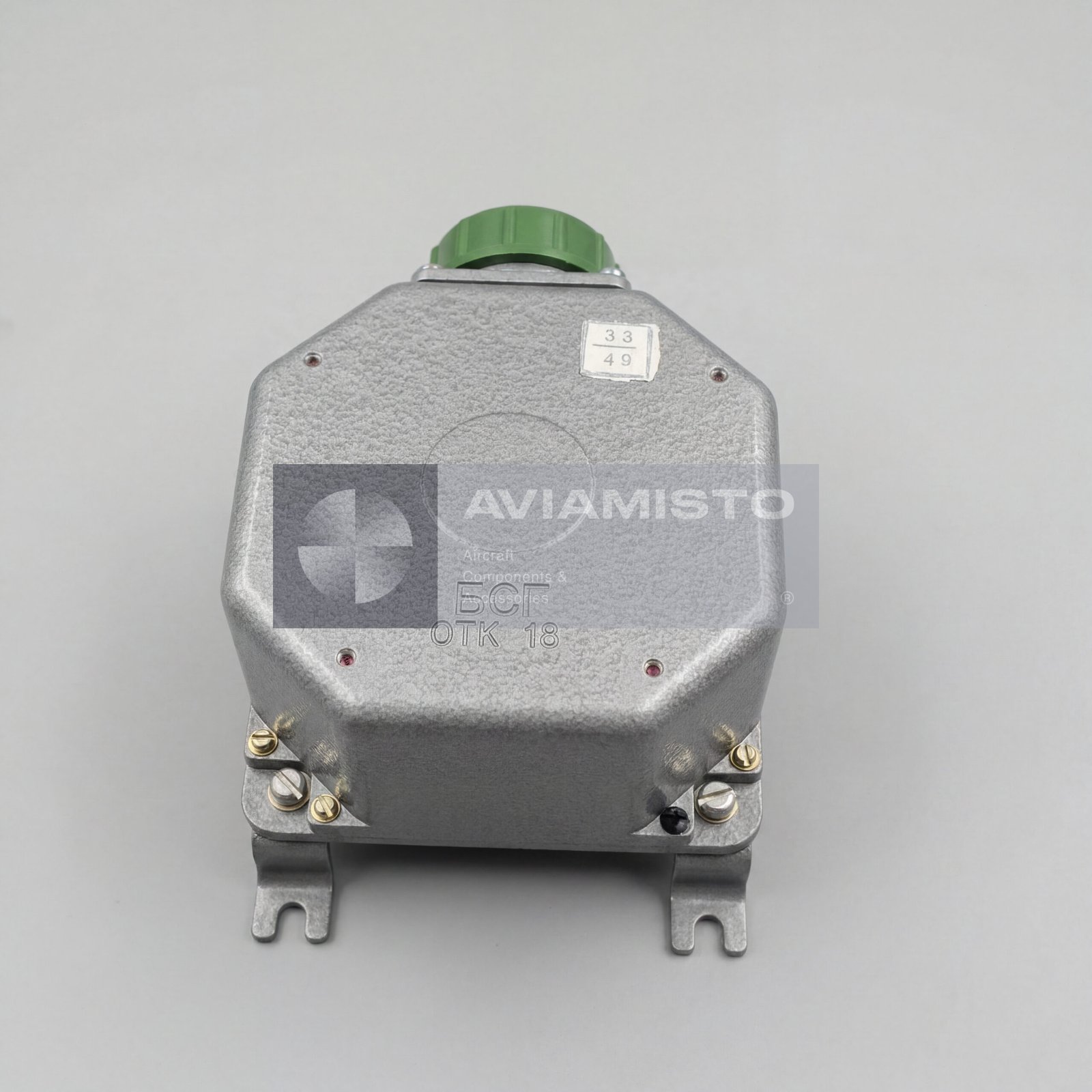
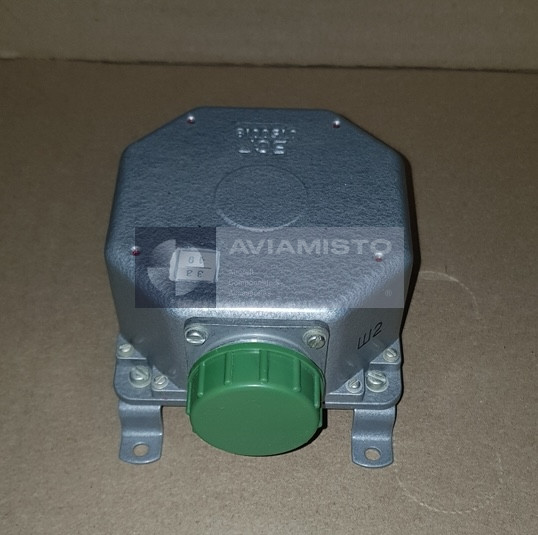
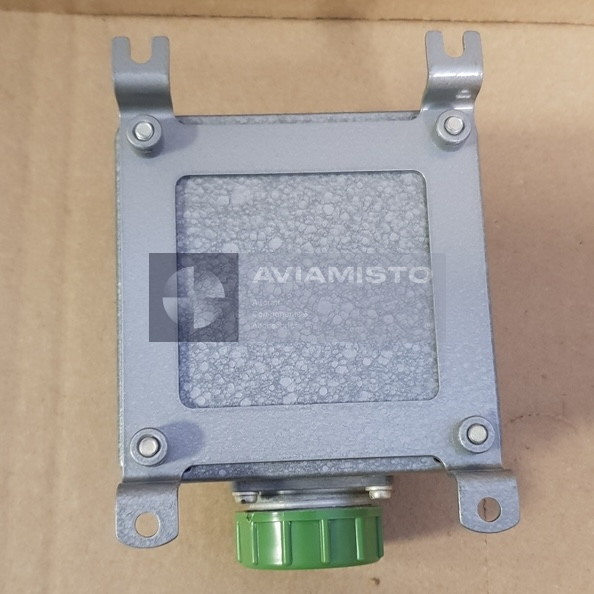
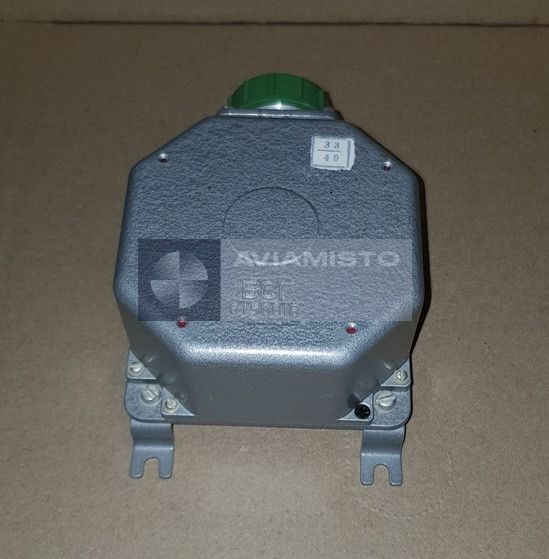
Readiness Signal Unit
Available on back-order
The BSG is an aircraft readiness signal unit used in navigation and automatic control equipment. Its job is to monitor whether a connected control or correction channel is in the required “zero” condition and then issue a readiness signal to the aircraft system. In practical terms, the block acts as a simple but important safeguard: if the monitored channel is working normally, the system receives a ready signal; if the signal leaves the allowed range or the tracking circuit fails, the readiness voltage is removed and a failure condition can be indicated to the crew.
The unit is commonly associated with monitoring the tracking system of the airspeed corrector / setter equipment. The BSG receives an AC mismatch signal from the connected corrector channel and checks whether this signal remains within the permitted limits. When the mismatch is small enough, the system is considered to be in the required neutral or zeroed condition. If the mismatch exceeds the allowed value, the unit removes the ready output. This logic is useful in autopilot and navigation-related systems where incorrect correction data must not be accepted as normal.
During normal operation, the BSG produces a DC readiness signal for the connected aircraft control system. This output is usually treated by the system as confirmation that the monitored channel is serviceable and ready for further operation. If the controlled circuit fails, the block removes this signal and allows the aircraft warning or control logic to react. The crew may see this as a failure indication, depending on the aircraft equipment layout. The important point is that the BSG does not control the aircraft by itself; it supervises a signal condition and confirms or rejects readiness.
The BSG is especially relevant in zeroing and correction modes. The unit can issue a ready signal when output and control signals are absent at the same time, or when a control command is applied and the input signal remains within the required operating range. In failure conditions, the block removes the readiness output at defined threshold levels. This prevents the connected system from continuing to operate as if the correction channel were still valid. Such logic is typical for older aircraft automatic control systems where signal supervision is built from dedicated electromechanical and electronic units.
The BSG is used with navigation and automatic control equipment installed on civil and military aircraft and helicopters. It may be found in systems associated with AP-34B autopilots, Kurs MP-2 / MP-70 equipment and SVS-PN air data / navigation-related systems, depending on aircraft type. Typical aircraft applications include An-24, An-26, Il-18, Mi-26 and other platforms with compatible equipment. Since the same designation may appear in different system contexts, the exact aircraft, system version and wiring documentation should be checked before replacement.
For maintenance, the BSG is checked through its power supply, input mismatch signal, control input and readiness output. A correct bench or aircraft test normally confirms whether the block removes the ready signal at the specified thresholds and restores it under normal conditions. For procurement, the decimal number EU2.390.260 should be specified when applicable. It is also important to clarify the required acceptance category, documentation, condition and whether the block is intended for a specific aircraft system such as AP-34B, Kurs MP-70 or SVS-PN.
Product Type: Aircraft readiness signal unit
Designation: BSG
Decimal Number / Code: EU2.390.260
Function: Monitoring of system zeroing / correction condition and generation of readiness or failure signal
Application / Where Used: Navigation systems, automatic control systems, autopilot-related circuits
System / Installation Area: Aircraft avionics and automatic control equipment
Associated Systems: AP-34B autopilot, Kurs MP-2 / MP-70, SVS-PN and related onboard equipment depending on aircraft configuration
Typical Controlled Equipment: Airspeed corrector / setter tracking system; KZSP / KZV-type correction channels depending on system version
Input Control Signal: AC mismatch signal at 400 Hz
Input Signal Range: 0 to 30 V AC
Control Command Signal: +27 V DC
Readiness Output Signal: +27 V DC
Failure Logic: Removal of readiness voltage when mismatch signal exceeds specified threshold
Failure Threshold without Control Signal: 9 V ±20% input mismatch signal
Failure Threshold in Program-On Mode: 2.5 V ±25% input signal
Readiness Condition: Output generated when mismatch signal does not exceed the permitted limit and the monitored channel is in the required zero condition
DC Power Supply: +27 V / +28.5 V DC, according to aircraft power supply standards
AC Power Supply: 36 V or 115 V AC depending on associated system modification
AC Frequency: 400 Hz
Readiness Time after Power-On: Not more than 2 minutes
Maximum Operating Altitude: Up to 10,000 m
Acceptance Category: VP military acceptance
Compatible Aircraft / Equipment: An-24, An-26, Il-18, Mi-26 and other aircraft with compatible navigation or automatic control systems
Technical Documentation: Product passport, technical description, wiring diagrams and aircraft maintenance documentation as applicable
All shipments are carried out from our international warehouse in Dubai (UAE), as well as from our partners’ remote warehouses.
In Stock — items available in stock at the Dubai warehouse are dispatched within 5–10 business days after receiving 100% prepayment.
Remote Stock — items available at our partners’ remote warehouses are supplied within an average of 30–45 business days after receiving 100% prepayment.
Pre-Order — made-to-order products are manufactured and delivered within an average of 45–60 business days. Payment terms: 50% advance payment to start production, with the remaining 50% paid before dispatch from the Dubai warehouse after full readiness for shipment.
Returns & Changes (Restocking Fee)
For selected items, a RESTOCKING FEE of 10% may apply in case of return, order cancellation, or changes to the order specifications. This condition applies only to certain products and is confirmed at the order approval stage.
Warranty
All products are covered by a standard 6-month warranty.
Extended warranty is available upon request and is agreed individually; it may affect the final product price.
The BSG is an aircraft readiness signal unit used in navigation and automatic control equipment. Its job is to monitor whether a connected control or correction channel is in the required “zero” condition and then issue a readiness signal to the aircraft system. In practical terms, the block acts as a simple but important safeguard: if the monitored channel is working normally, the system receives a ready signal; if the signal leaves the allowed range or the tracking circuit fails, the readiness voltage is removed and a failure condition can be indicated to the crew.
The unit is commonly associated with monitoring the tracking system of the airspeed corrector / setter equipment. The BSG receives an AC mismatch signal from the connected corrector channel and checks whether this signal remains within the permitted limits. When the mismatch is small enough, the system is considered to be in the required neutral or zeroed condition. If the mismatch exceeds the allowed value, the unit removes the ready output. This logic is useful in autopilot and navigation-related systems where incorrect correction data must not be accepted as normal.
During normal operation, the BSG produces a DC readiness signal for the connected aircraft control system. This output is usually treated by the system as confirmation that the monitored channel is serviceable and ready for further operation. If the controlled circuit fails, the block removes this signal and allows the aircraft warning or control logic to react. The crew may see this as a failure indication, depending on the aircraft equipment layout. The important point is that the BSG does not control the aircraft by itself; it supervises a signal condition and confirms or rejects readiness.
The BSG is especially relevant in zeroing and correction modes. The unit can issue a ready signal when output and control signals are absent at the same time, or when a control command is applied and the input signal remains within the required operating range. In failure conditions, the block removes the readiness output at defined threshold levels. This prevents the connected system from continuing to operate as if the correction channel were still valid. Such logic is typical for older aircraft automatic control systems where signal supervision is built from dedicated electromechanical and electronic units.
The BSG is used with navigation and automatic control equipment installed on civil and military aircraft and helicopters. It may be found in systems associated with AP-34B autopilots, Kurs MP-2 / MP-70 equipment and SVS-PN air data / navigation-related systems, depending on aircraft type. Typical aircraft applications include An-24, An-26, Il-18, Mi-26 and other platforms with compatible equipment. Since the same designation may appear in different system contexts, the exact aircraft, system version and wiring documentation should be checked before replacement.
For maintenance, the BSG is checked through its power supply, input mismatch signal, control input and readiness output. A correct bench or aircraft test normally confirms whether the block removes the ready signal at the specified thresholds and restores it under normal conditions. For procurement, the decimal number EU2.390.260 should be specified when applicable. It is also important to clarify the required acceptance category, documentation, condition and whether the block is intended for a specific aircraft system such as AP-34B, Kurs MP-70 or SVS-PN.
Product Type: Aircraft readiness signal unit
Designation: BSG
Decimal Number / Code: EU2.390.260
Function: Monitoring of system zeroing / correction condition and generation of readiness or failure signal
Application / Where Used: Navigation systems, automatic control systems, autopilot-related circuits
System / Installation Area: Aircraft avionics and automatic control equipment
Associated Systems: AP-34B autopilot, Kurs MP-2 / MP-70, SVS-PN and related onboard equipment depending on aircraft configuration
Typical Controlled Equipment: Airspeed corrector / setter tracking system; KZSP / KZV-type correction channels depending on system version
Input Control Signal: AC mismatch signal at 400 Hz
Input Signal Range: 0 to 30 V AC
Control Command Signal: +27 V DC
Readiness Output Signal: +27 V DC
Failure Logic: Removal of readiness voltage when mismatch signal exceeds specified threshold
Failure Threshold without Control Signal: 9 V ±20% input mismatch signal
Failure Threshold in Program-On Mode: 2.5 V ±25% input signal
Readiness Condition: Output generated when mismatch signal does not exceed the permitted limit and the monitored channel is in the required zero condition
DC Power Supply: +27 V / +28.5 V DC, according to aircraft power supply standards
AC Power Supply: 36 V or 115 V AC depending on associated system modification
AC Frequency: 400 Hz
Readiness Time after Power-On: Not more than 2 minutes
Maximum Operating Altitude: Up to 10,000 m
Acceptance Category: VP military acceptance
Compatible Aircraft / Equipment: An-24, An-26, Il-18, Mi-26 and other aircraft with compatible navigation or automatic control systems
Technical Documentation: Product passport, technical description, wiring diagrams and aircraft maintenance documentation as applicable
All shipments are carried out from our international warehouse in Dubai (UAE), as well as from our partners’ remote warehouses.
In Stock — items available in stock at the Dubai warehouse are dispatched within 5–10 business days after receiving 100% prepayment.
Remote Stock — items available at our partners’ remote warehouses are supplied within an average of 30–45 business days after receiving 100% prepayment.
Pre-Order — made-to-order products are manufactured and delivered within an average of 45–60 business days. Payment terms: 50% advance payment to start production, with the remaining 50% paid before dispatch from the Dubai warehouse after full readiness for shipment.
Returns & Changes (Restocking Fee)
For selected items, a RESTOCKING FEE of 10% may apply in case of return, order cancellation, or changes to the order specifications. This condition applies only to certain products and is confirmed at the order approval stage.
Warranty
All products are covered by a standard 6-month warranty.
Extended warranty is available upon request and is agreed individually; it may affect the final product price.
Do you really want to log out?