
STG-3
Starter Generator


Description
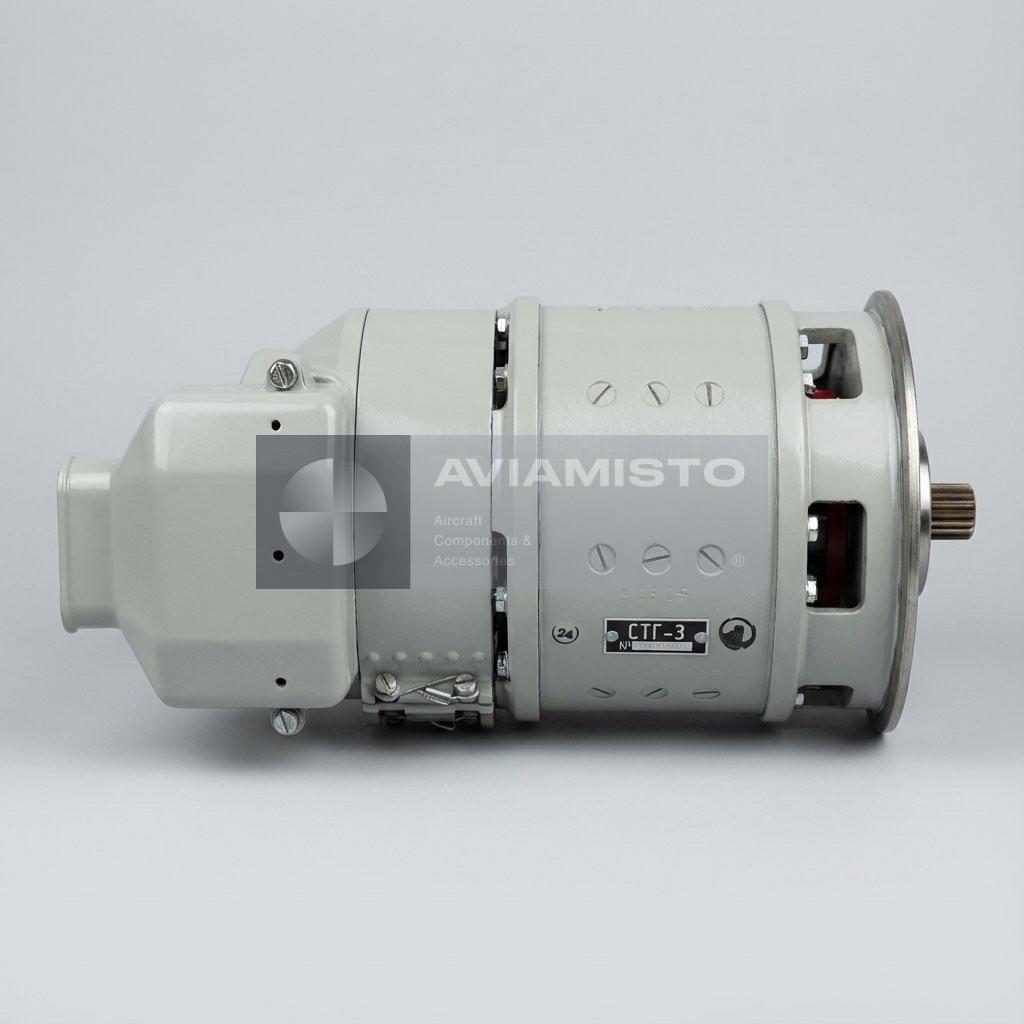
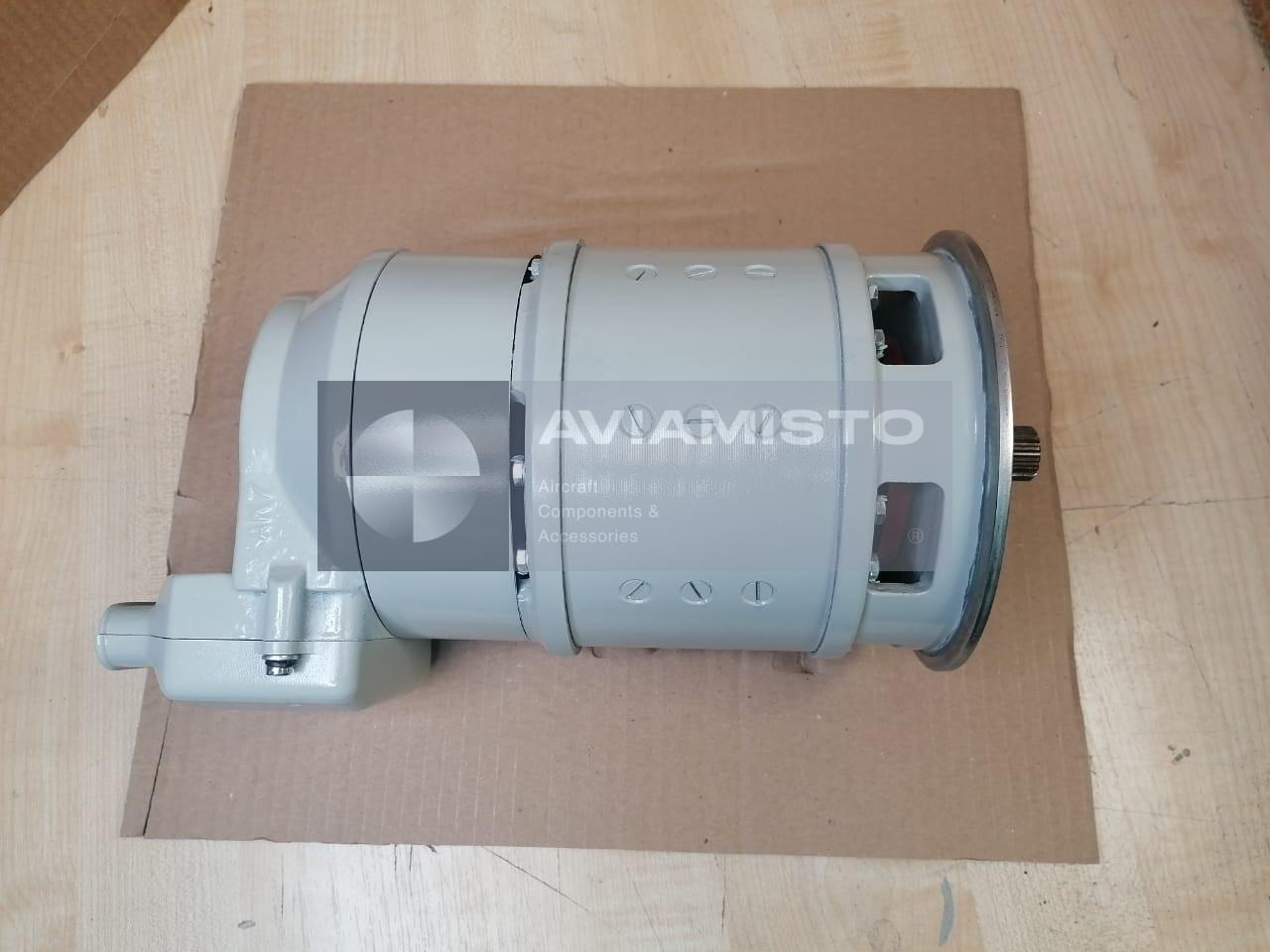
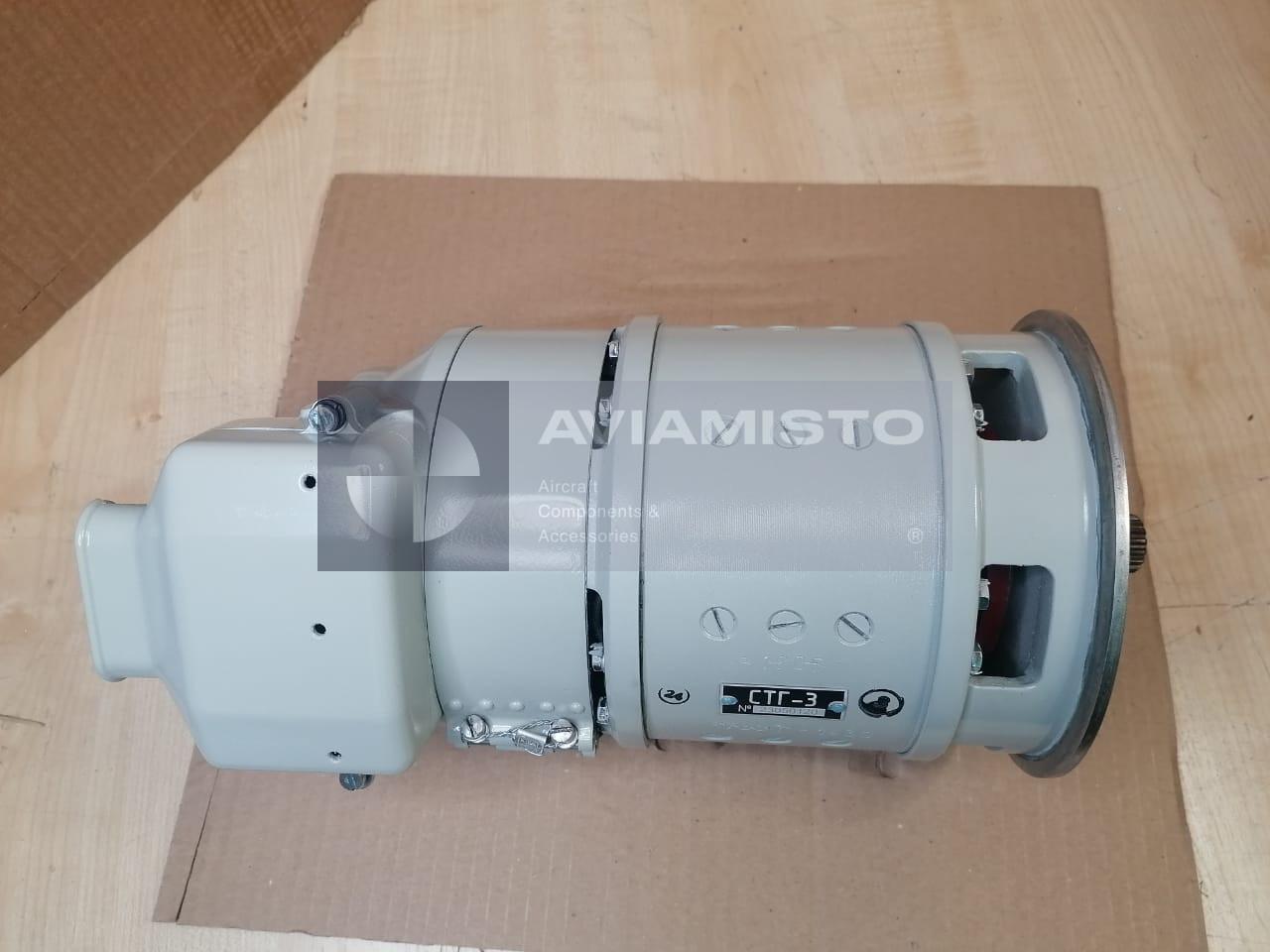
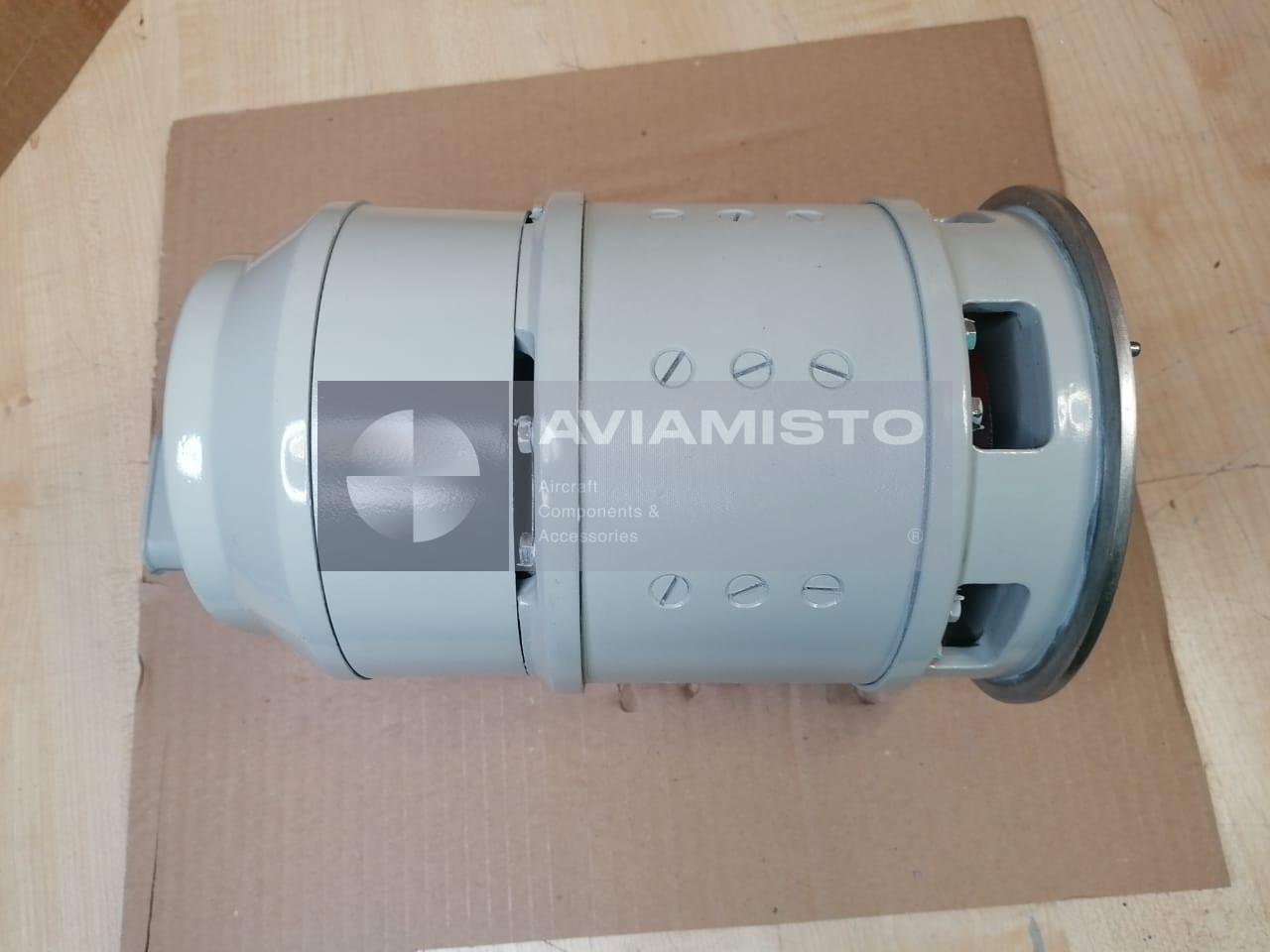
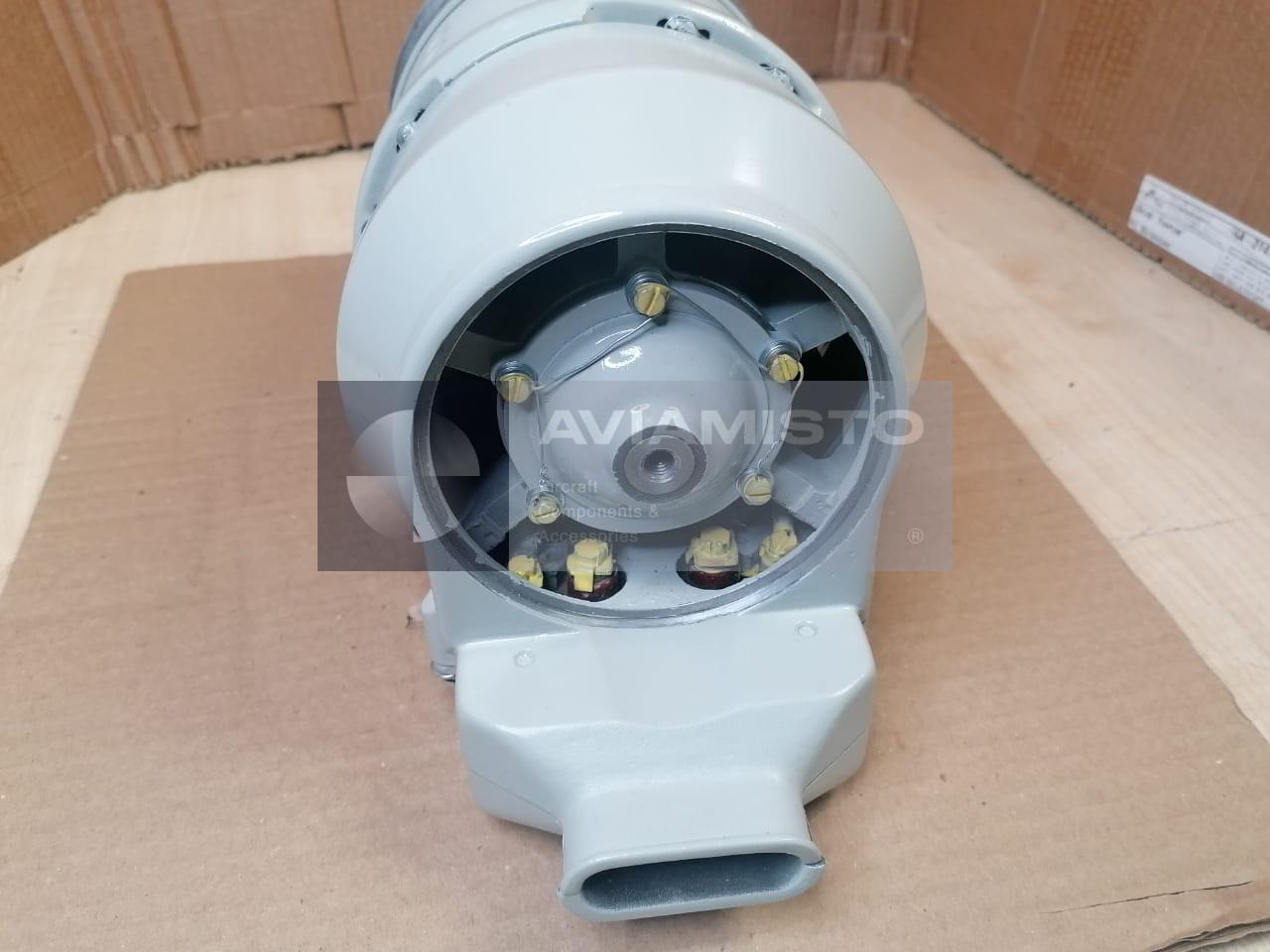
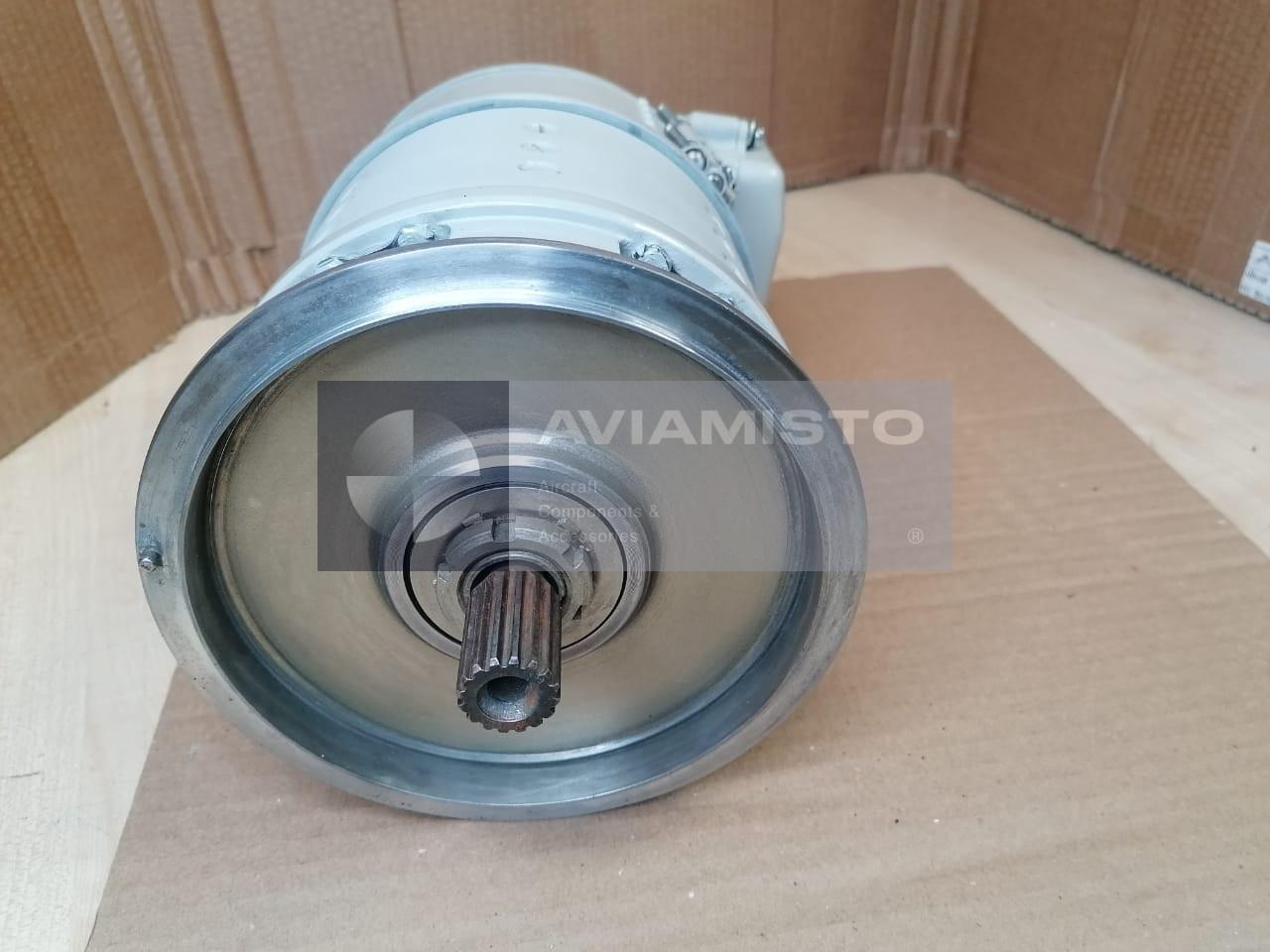
Aircraft starter-generator STG-3
STG-3 is an aircraft starter-generator used in helicopter electrical and engine starting systems. It is a combined electromechanical unit: during engine start it works as an electric starter, and after the engine reaches operating speed it works as a DC generator. This layout is common on Soviet and Russian helicopter platforms, where the same machine is used first to accelerate the engine and then to supply onboard electrical consumers. The unit is part of both the starting system and the main DC power generation system.
Full descriptionCollapse description
Engine starting through STG-3
In starter mode, STG-3 receives power from the onboard battery system or ground source and turns the engine through the start drive. The high current used during this phase is normal for this type of unit, but the start cycle is limited by time and cooling requirements. After the engine reaches the required speed, the start circuit is disconnected and the starter-generator is no longer driven electrically. In maintenance, the start mode should be checked together with the start contactors, wiring, batteries, ground power connector and automatic start control devices.
STG-3 generator mode and onboard power supply
After start-up, STG-3 operates as a DC generator and supplies the helicopter onboard electrical network. In this mode it provides power for avionics, navigation equipment, lighting, instruments and auxiliary electrical systems. The output is controlled through the aircraft voltage regulation and generator control equipment. A voltage fault is therefore not always caused by the starter-generator itself. The regulator, generator contactor, protection relays, brushes, commutator and wiring should be checked as part of the same circuit.
STG-3 in helicopter electrical systems
The STG-3 starter-generator is used on transport and utility helicopters of Soviet and Russian origin. In typical installations it works with engine starting panels, automatic start relays, voltage regulators such as RN-120U, DC generator control circuits, batteries and ground power equipment. On aircraft with auxiliary power units or separate starting architecture, the exact role of the unit depends on the electrical system layout. Replacement should be confirmed by the aircraft parts catalog and the installed generator version, not only by the general STG-3 name.
Identification and ordering of STG-3
Before ordering STG-3, the nameplate marking, aircraft type, engine configuration and documentation should be checked. Starter-generators may differ by series, overhaul status, approved installation and supplied documents. For correct selection, provide the aircraft type, installed unit marking, required condition and document requirements. Available supply conditions may include new, overhauled or serviceable units, with inspection report, Form 1 or certificate on request. The product is also known under alternative designations STG-3, SGT-3 and СТГ-3.
Technical details
- Product Type
- Starter-generator
- Function
- Engine start and DC onboard power generation
- Application / Where Used
- Transport and utility helicopters of Soviet and Russian origin
- System / Installation Area
- Electrical power supply system / engine starting system
- Construction
- Combined electromechanical unit, starter and DC generator in one machine
All specificationsCollapse specifications
- Operating Voltage
- 28.5 V in generator mode; 24 V in starter mode
- Output Current
- 100 A in generator mode; 350–1000 A in starter mode
- Rated Power
- 3 kW at 30 V
- Rotational Speed Range
- 3500–11250 rpm in generator mode; 5625 rpm in starter mode
- Operating Mode
- Continuous operation in generator mode
- Starter Duty Cycle
- 30 s per start; maximum 5 starts before full cooling; 3 min interval between starts
- Weight
- 16 kg
- Country of Origin
- Depending on production batch
- Packaging
- Individual export packing
- Logistics
- Worldwide shipping, export documentation, inspection and professional packing available
- Technical Documentation
- Test report / Form 1 / Certificate on request
Payment & delivery
Orders ship from our hub in Dubai. Partner stock is first transferred to Dubai, then shipped to you.
Dubai stock: 100% before dispatch. Partner stock (Remote stock) and Pre-order: 50% advance payment to start the order and 50% before shipment from Dubai to you.
Availability, lead time, delivery cost and payment terms are confirmed for your order before payment.
Payment & delivery terms