computing unit
Price on request
computing unit
Partner Stock
BV-24 is the central analog computing unit of the SAU-V24-1 automatic flight control system used on Mi-24 and Mi-35 helicopters, depending on aircraft configuration and documentation. The unit receives data from sensors, control panels and associated interface blocks, processes these signals through analog computing circuits and forms control commands for the helicopter automatic control system. In the SAU-V24-1 architecture, BV-24 acts as the main calculation and signal coordination block for the autopilot control channels.
The BV-24 unit collects and processes signals from angular rate sensors, linear acceleration sensors, gyroverticals, barometric altitude and airspeed sensors, and the BSV-24 radio altimeter interface unit when the radio-altitude hold function is used. The block sums, scales and corrects these signals according to the control laws of the SAU-V24-1 system. Its analog circuits may include operational amplifiers, differentiating circuits, integrating circuits and channel-specific electronic modules. Correct operation of BV-24 is important for stable automatic control and accurate command formation.
BV-24 performs separate computation for the main helicopter control channels. These include roll, pitch, heading and altitude / collective pitch channels. In the roll channel, the unit supports stabilization and roll-angle control. In the pitch channel, it supports longitudinal attitude stabilization. In the heading channel, it supports course stabilization and turn coordination. In the altitude / collective pitch channel, the block works with altitude-related inputs, including signals from BSV-24, to support barometric or true-height hold functions according to system mode and documentation.
After processing input signals, BV-24 forms scaled control voltages for the autopilot system. These signals are transmitted through the VUAP-1 unified helicopter autopilot circuits to the KAU-110 electrohydraulic control actuators, which move the helicopter control linkages within the authority allowed by the autopilot system. BV-24 may also provide signals related to longitudinal and lateral trim actuators / force-loading mechanisms depending on the channel and mode. This makes the unit one of the main links between sensor data and physical control movement.
BV-24 is integrated with the SAU-V24-1 control and mode-selection equipment. The unit works with PVM-24 and PVP-24 control panels, where the crew selects operating modes such as altitude hold, hover-related modes or flight path stabilization modes depending on system configuration. It also interacts with BSV-24, VUAP-1 and related sensor systems. The block switches or coordinates internal control logic according to crew commands and system conditions. Built-in test / monitoring circuits may provide fault indications for SAU channels on the cockpit panel.
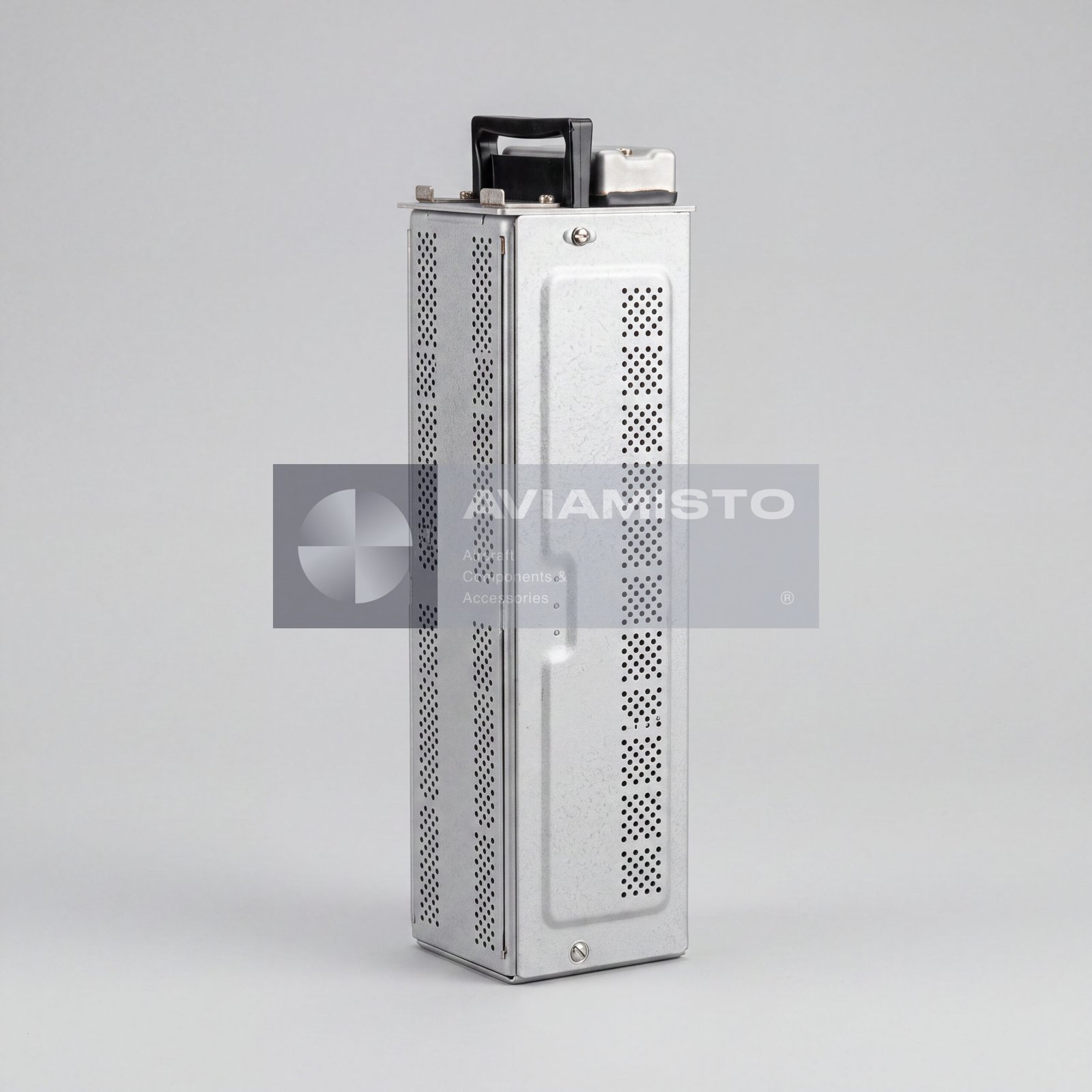
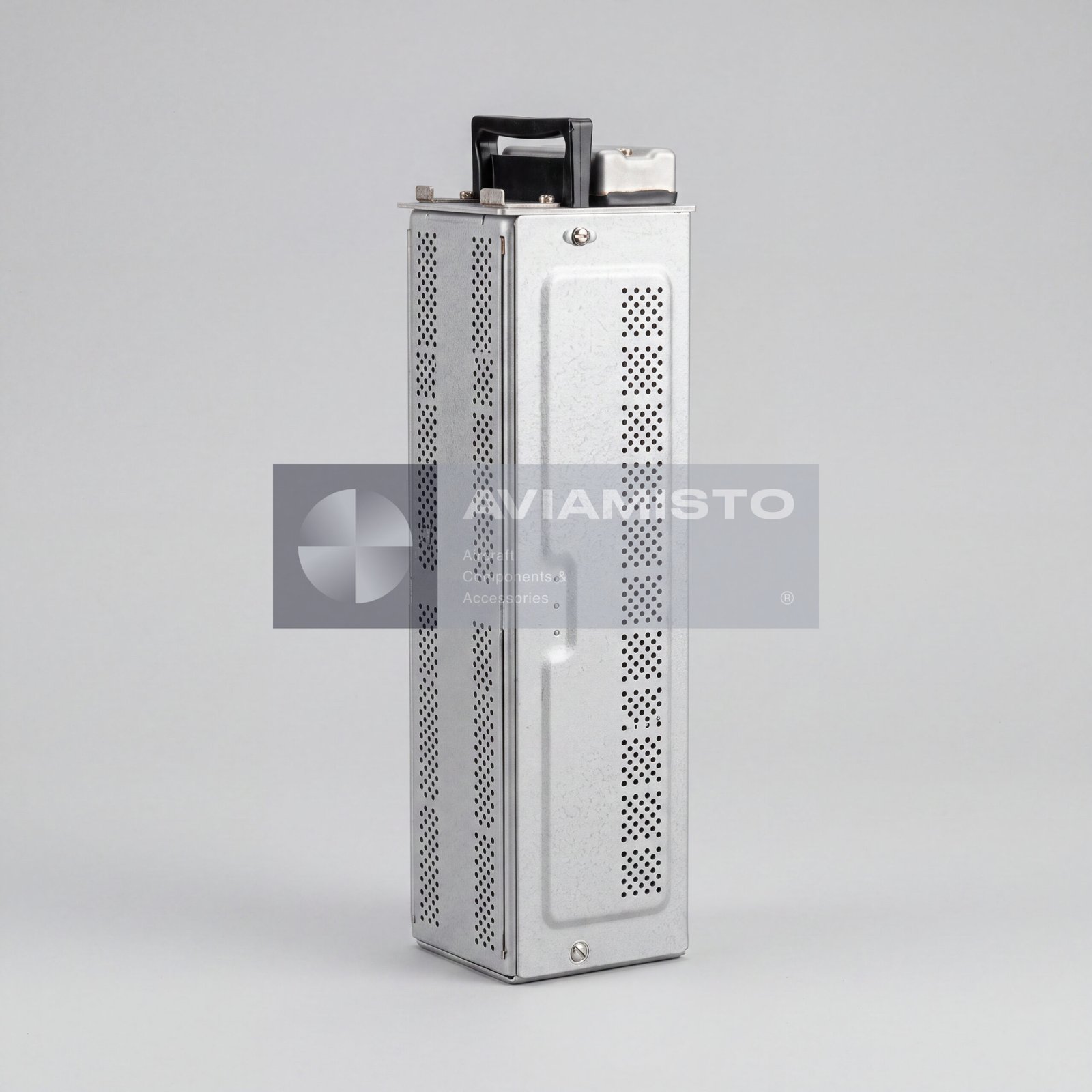
BV-24 is built as a metal cassette-type monoblock with removable electronic subunits / boards divided by control channels. This construction supports inspection, bench testing and replacement of individual channel modules during repair. The unit is typically installed in the helicopter radio / equipment compartment on a specialized shock-mounted SAU frame. Before ordering, the helicopter type, SAU-V24-1 configuration, series, condition and documentation set should be confirmed. The block may be required for automatic control system repair, channel fault troubleshooting or spare parts stock.
Product Type: Analog computing unit / automatic flight control system block
Designation: BV-24
Russian Designation: БВ-24
Alternative Product Names: Computing unit, central analog computer, SAU computing block, automatic control system computer
Function: Processing of sensor and system signals and formation of control commands for SAU-V24-1
Application / Where Used: SAU-V24-1 automatic flight control system
System / Installation Area: Helicopter automatic flight control system / central computing section
Compatible Aircraft / Equipment: Mi-24 and Mi-35 family helicopters according to source context and documentation
Associated Control System: SAU-V24-1
Associated Autopilot: VUAP-1 unified helicopter autopilot
Associated Actuators: KAU-110 electrohydraulic control actuators
Associated Interface Unit: BSV-24 radio altimeter interface unit
Associated Control Panels: PVM-24 and PVP-24
Control Channels: Roll, pitch, heading and altitude / collective pitch
Input Signals: Angular rate sensors, linear acceleration sensors, gyroverticals, barometric altitude and airspeed sensors, course system, BSV-24 height deviation signals
Example Associated Sensors: DUS angular rate sensors, TsGV-4 gyrovertical, DV-15 altitude sensor, DSV-2 speed sensor according to source context
Output Signals: DC control voltages for VUAP-1 / KAU-110 control circuits and trim / force-loading mechanisms according to system configuration
Autopilot Control Authority Reference: Up to ±20% of full control travel, according to source context
Computing Principle: Analog computation using semiconductor circuits, operational amplifiers, integrating and differentiating networks
Power Supply: 27 V DC and 36 V AC, 400 Hz
DC Supply Range: 24 to 29.4 V
DC Current Consumption: Not more than 2.5 A, according to source context
Construction: Metal cassette-type monoblock with removable channel subunits / boards
Cooling: Natural convection through perforated covers
Connector Interface: Multi-pin aviation plug connectors type ShR / 2RM according to source context
Installation: Radio / equipment compartment on specialized SAU shock-mounted frame
Weight Reference: Approximately 8.5–10 kg, depending on series
Operating Temperature Range: −60 °C to +60 °C
Built-In Monitoring: Built-in test / fault monitoring circuits for SAU channel indication, according to source context
Condition: New / As-Stored / Overhauled / Serviceable, depending on availability
Technical Documentation: Product passport, SAU-V24-1 documentation, wiring diagrams, test records and maintenance documentation if available
All shipments are carried out from our international warehouse in Dubai (UAE), as well as from our partners’ remote warehouses.
In Stock — items available in stock at the Dubai warehouse are dispatched within 5–10 business days after receiving 100% prepayment.
Remote Stock — items available at our partners’ remote warehouses are supplied within an average of 30–45 business days after receiving 100% prepayment.
Pre-Order — made-to-order products are manufactured and delivered within an average of 45–60 business days. Payment terms: 50% advance payment to start production, with the remaining 50% paid before dispatch from the Dubai warehouse after full readiness for shipment.
Returns & Changes (Restocking Fee)
For selected items, a RESTOCKING FEE of 10% may apply in case of return, order cancellation, or changes to the order specifications. This condition applies only to certain products and is confirmed at the order approval stage.
Warranty
All products are covered by a standard 6-month warranty.
Extended warranty is available upon request and is agreed individually; it may affect the final product price.
BV-24 is the central analog computing unit of the SAU-V24-1 automatic flight control system used on Mi-24 and Mi-35 helicopters, depending on aircraft configuration and documentation. The unit receives data from sensors, control panels and associated interface blocks, processes these signals through analog computing circuits and forms control commands for the helicopter automatic control system. In the SAU-V24-1 architecture, BV-24 acts as the main calculation and signal coordination block for the autopilot control channels.
The BV-24 unit collects and processes signals from angular rate sensors, linear acceleration sensors, gyroverticals, barometric altitude and airspeed sensors, and the BSV-24 radio altimeter interface unit when the radio-altitude hold function is used. The block sums, scales and corrects these signals according to the control laws of the SAU-V24-1 system. Its analog circuits may include operational amplifiers, differentiating circuits, integrating circuits and channel-specific electronic modules. Correct operation of BV-24 is important for stable automatic control and accurate command formation.
BV-24 performs separate computation for the main helicopter control channels. These include roll, pitch, heading and altitude / collective pitch channels. In the roll channel, the unit supports stabilization and roll-angle control. In the pitch channel, it supports longitudinal attitude stabilization. In the heading channel, it supports course stabilization and turn coordination. In the altitude / collective pitch channel, the block works with altitude-related inputs, including signals from BSV-24, to support barometric or true-height hold functions according to system mode and documentation.
After processing input signals, BV-24 forms scaled control voltages for the autopilot system. These signals are transmitted through the VUAP-1 unified helicopter autopilot circuits to the KAU-110 electrohydraulic control actuators, which move the helicopter control linkages within the authority allowed by the autopilot system. BV-24 may also provide signals related to longitudinal and lateral trim actuators / force-loading mechanisms depending on the channel and mode. This makes the unit one of the main links between sensor data and physical control movement.
BV-24 is integrated with the SAU-V24-1 control and mode-selection equipment. The unit works with PVM-24 and PVP-24 control panels, where the crew selects operating modes such as altitude hold, hover-related modes or flight path stabilization modes depending on system configuration. It also interacts with BSV-24, VUAP-1 and related sensor systems. The block switches or coordinates internal control logic according to crew commands and system conditions. Built-in test / monitoring circuits may provide fault indications for SAU channels on the cockpit panel.
BV-24 is built as a metal cassette-type monoblock with removable electronic subunits / boards divided by control channels. This construction supports inspection, bench testing and replacement of individual channel modules during repair. The unit is typically installed in the helicopter radio / equipment compartment on a specialized shock-mounted SAU frame. Before ordering, the helicopter type, SAU-V24-1 configuration, series, condition and documentation set should be confirmed. The block may be required for automatic control system repair, channel fault troubleshooting or spare parts stock.
Product Type: Analog computing unit / automatic flight control system block
Designation: BV-24
Russian Designation: БВ-24
Alternative Product Names: Computing unit, central analog computer, SAU computing block, automatic control system computer
Function: Processing of sensor and system signals and formation of control commands for SAU-V24-1
Application / Where Used: SAU-V24-1 automatic flight control system
System / Installation Area: Helicopter automatic flight control system / central computing section
Compatible Aircraft / Equipment: Mi-24 and Mi-35 family helicopters according to source context and documentation
Associated Control System: SAU-V24-1
Associated Autopilot: VUAP-1 unified helicopter autopilot
Associated Actuators: KAU-110 electrohydraulic control actuators
Associated Interface Unit: BSV-24 radio altimeter interface unit
Associated Control Panels: PVM-24 and PVP-24
Control Channels: Roll, pitch, heading and altitude / collective pitch
Input Signals: Angular rate sensors, linear acceleration sensors, gyroverticals, barometric altitude and airspeed sensors, course system, BSV-24 height deviation signals
Example Associated Sensors: DUS angular rate sensors, TsGV-4 gyrovertical, DV-15 altitude sensor, DSV-2 speed sensor according to source context
Output Signals: DC control voltages for VUAP-1 / KAU-110 control circuits and trim / force-loading mechanisms according to system configuration
Autopilot Control Authority Reference: Up to ±20% of full control travel, according to source context
Computing Principle: Analog computation using semiconductor circuits, operational amplifiers, integrating and differentiating networks
Power Supply: 27 V DC and 36 V AC, 400 Hz
DC Supply Range: 24 to 29.4 V
DC Current Consumption: Not more than 2.5 A, according to source context
Construction: Metal cassette-type monoblock with removable channel subunits / boards
Cooling: Natural convection through perforated covers
Connector Interface: Multi-pin aviation plug connectors type ShR / 2RM according to source context
Installation: Radio / equipment compartment on specialized SAU shock-mounted frame
Weight Reference: Approximately 8.5–10 kg, depending on series
Operating Temperature Range: −60 °C to +60 °C
Built-In Monitoring: Built-in test / fault monitoring circuits for SAU channel indication, according to source context
Condition: New / As-Stored / Overhauled / Serviceable, depending on availability
Technical Documentation: Product passport, SAU-V24-1 documentation, wiring diagrams, test records and maintenance documentation if available
All shipments are carried out from our international warehouse in Dubai (UAE), as well as from our partners’ remote warehouses.
In Stock — items available in stock at the Dubai warehouse are dispatched within 5–10 business days after receiving 100% prepayment.
Remote Stock — items available at our partners’ remote warehouses are supplied within an average of 30–45 business days after receiving 100% prepayment.
Pre-Order — made-to-order products are manufactured and delivered within an average of 45–60 business days. Payment terms: 50% advance payment to start production, with the remaining 50% paid before dispatch from the Dubai warehouse after full readiness for shipment.
Returns & Changes (Restocking Fee)
For selected items, a RESTOCKING FEE of 10% may apply in case of return, order cancellation, or changes to the order specifications. This condition applies only to certain products and is confirmed at the order approval stage.
Warranty
All products are covered by a standard 6-month warranty.
Extended warranty is available upon request and is agreed individually; it may affect the final product price.